Contact us





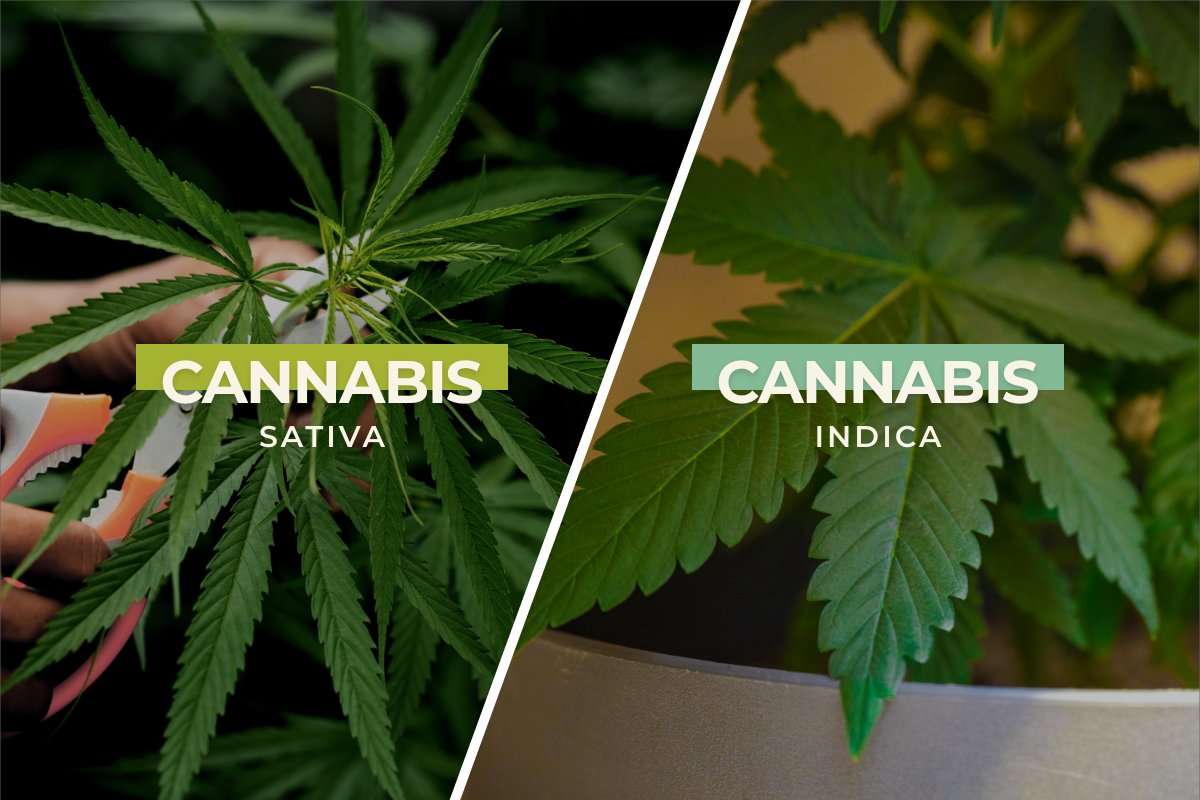
For a long time you lived in the belief that cannabis was only of one quality? Far be it from us to shock you, but over the last few decades more than 1000 strains have been discovered.
We know, light cannabis never ceases to fascinate and amaze at the same time.
But don’t worry, we won’t list a thousand names. What you really want to know when you decide to buy cannabis products is the fact that the different strains have been grouped into large subspecies.
Two of the most famous ones are: Indica Cannabis and Sativa Cannabis.
Both of them are used for medicinal and recreational purposes. They share many features, but also many differences. They look different in appearance, composition and therefore also in effect.
That is why we decided to take a closer look at the comparison between Indica vs. Sativa cannabis.
Cannabis plant
Cannabis is a plant belonging to the Cannabaceae family and it can be used for a considerable variety of purposes.
It is an aromatic herb, you can easily tell by the strong scent it gives off when you sniff one. It is very hardy and comes from Central Asia, even if it is currently produced all over the world by different cultivation methods.
Ever since man discovered it, at least 5000 years ago according to sources, they have been able to make the most of it. Even today, hemp is used in textiles, i.e. in the production of clothing and accessories, but also in the food, pharmaceutical, and holistic fields.
In short, it is a plant of a thousand resources. But we have already anticipated the fact that there is not only one type of cannabis, and you can see it by looking at the very seedlings.
Cannabis strains
Actually, there are three subspecies into which cannabis strains are classified according to the more or less important presence of the cannabinoids THC (the active ingredient that induces a high) and CBD, i.e. Cannabidiol:
- Indica: has a high CBD content but THC percentage does not necessarily has to be low;
- Sativa: generally has a higher percentage of THC and lower CBD;
- Ruderalis: THC and CBD are balanced, although the proportion changes depending on the strain.
The latter type is the least popular among growers as its plants are very small and a very large quantity would be needed to satisfy consumer demands.
The focus therefore remains on Indica vs. Sativa.
Differences between Indica and Sativa cannabis
The diatribe between Indica vs. Sativa thus takes place on several levels. A true connoisseur is able to recognise them at a glance, because the outer appearance of the two strains is very different in terms of plant size, leaf shape and inflorescences.
However, the differences don’t stop there, because you can also find them in the substances they are composed of, the taste and the effects.
Let’s see all the differences between Indica and Sativa.
Botanical differences
Let’s start with the outer appearance, i.e. the characteristics of Indica and Sativa cannabis plants.
Let’s start by discussing sativa cannabis:
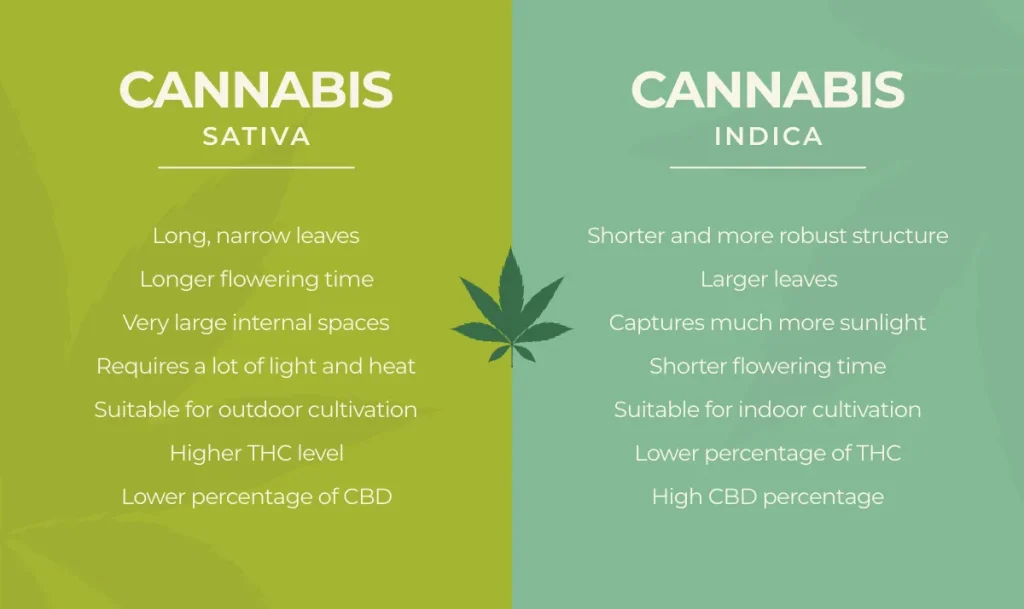
- The plants are tall and slender with long branches and slender stems; the hot, dry climates of Thailand and South America in which they originally developed, as well as exposure to many hours of sunlight, allow for a greater extension in height;
- The leaves are fan-shaped, narrow and elongated, with slender fingers;
- The flowers are small and soft, with a higher calyx-to-leaf ratio;
- Requires a longer flowering time, up to 14 weeks;
- Yield is generally higher, producing more inflorescences than the Indica.
Let’s now see how Indica cannabis fares:
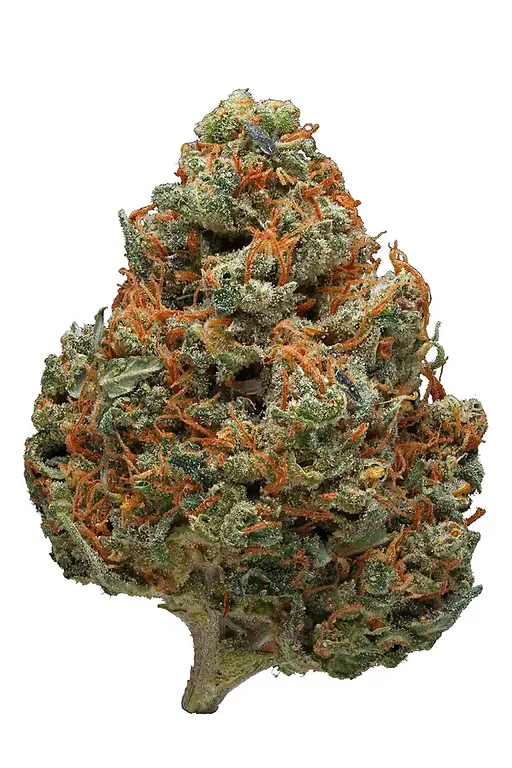
- The plants are shorter and sturdier, with a conical shape and thick stems; this is due to the fact that they live in the harsh climates of India, Pakistan and Afghanistan and the plants therefore need to be sturdier;
- The leaves are fan-shaped and broad, with wide, thick fingers;
- The flowers are large and compact, with a lower calyx-to-leaf ratio;
- The flowering period is shorter, on average 8-10 weeks;
- Yield is variable, but often lower than the Sativa.
However, it is important to say that the distinction between Indica and Sativa is not always clear-cut. Many varieties are hybrids with characteristics of both species. In addition, atmospheric and environmental factors such as climate, soil and cultivation techniques can also affect the aesthetic characteristics.
According to scientists, one can only speak of phenotypic and not genetic differences. The names ‘Indica’ and ‘Sativa’ have been assigned based on the characteristics and behaviour of the plants. To understand whether the chemical composition is different, we have to look at the terpene profile.
Terpenic differences
Terpenes are aromatic compounds present in all plants, including cannabis. They impart the characteristic aroma and flavour to each variety and can also influence the effects of cannabis consumption.
Terpene differences between Indica vs. Sativa
- Sativa: Sativa varieties tend to have a more complex terpene profile and are rich in terpenes such as limonene, pinene, myrcene and terpinolene; these terpenes can impart a fresh, fruity, citrusy and earthy aroma;
- Indica: Indica varieties, on the other hand, tend to have a simpler terpene profile dominated by myrcene, limonene and caryophyllene, which give a more earthy, sweet, spicy and musky aroma.
Let us give some examples of terpenes and their effects:
- Limonene: citrus aroma, energising and antidepressant;
- Pinene: pine aroma, energising and anti-inflammatory;
- Myrcene: earthy aroma, relaxing and sedative;
- Terpinolene: lime aroma, energising and anxiolytic;
- Caryophyllene: spicy aroma, anti-inflammatory and analgesic.
Terpenes can interact with cannabinoids, such as THC and CBD, to modulate the effects of cannabis consumption. For example, myrcene may amplify the sedative effects of THC, while limonene may counteract anxiety and paranoia.
Differences in taste
Cannabis Indica and Sativa varieties can have different taste characteristics, influenced by:
- Terpenes: as mentioned, these are the aromatic compounds that give cannabis its aroma and flavour;
- Cannabinoids: such as THC, CBD and others, which can influence taste in subtle ways;
- Cultivation method: factors such as soil, climate and irrigation can influence not only the physical appearance but also the taste of the final product;
- Curing method: drying, curing and storage can influence taste.
In general:
- Indica varieties: tend to have a more earthy, sweet and fruity flavour, with notes of pine, hash and spice;
- Sativa varieties: tend towards a fresher, citrusy flavour, with notes of lemon, lime, orange and berries.
Interestingly, taste is a subjective experience that may vary from person to person. Moreover, it can be influenced by additional factors, such as the method of consumption and individual tolerance.
-
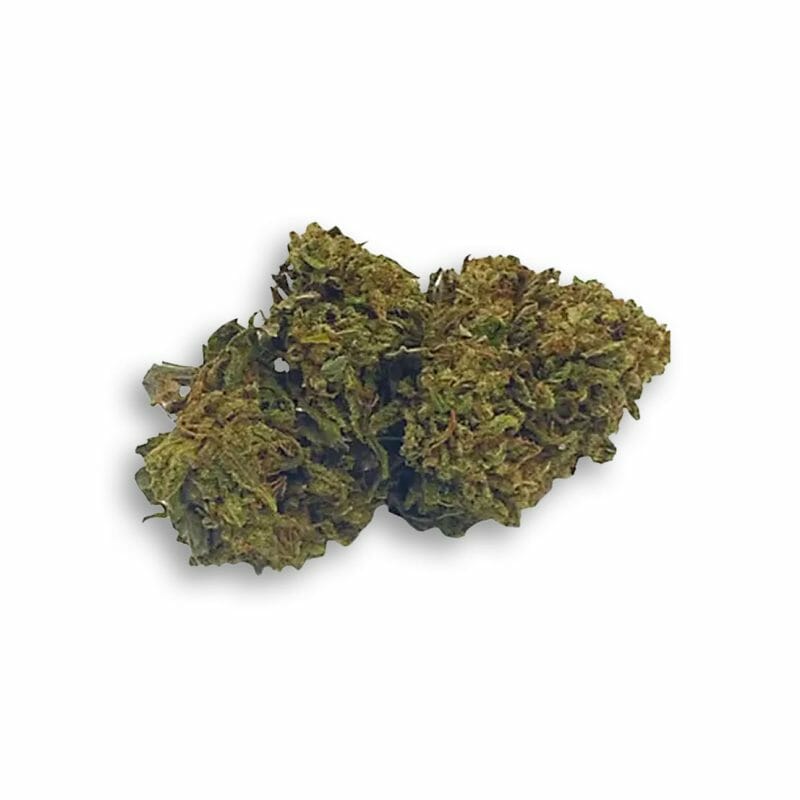
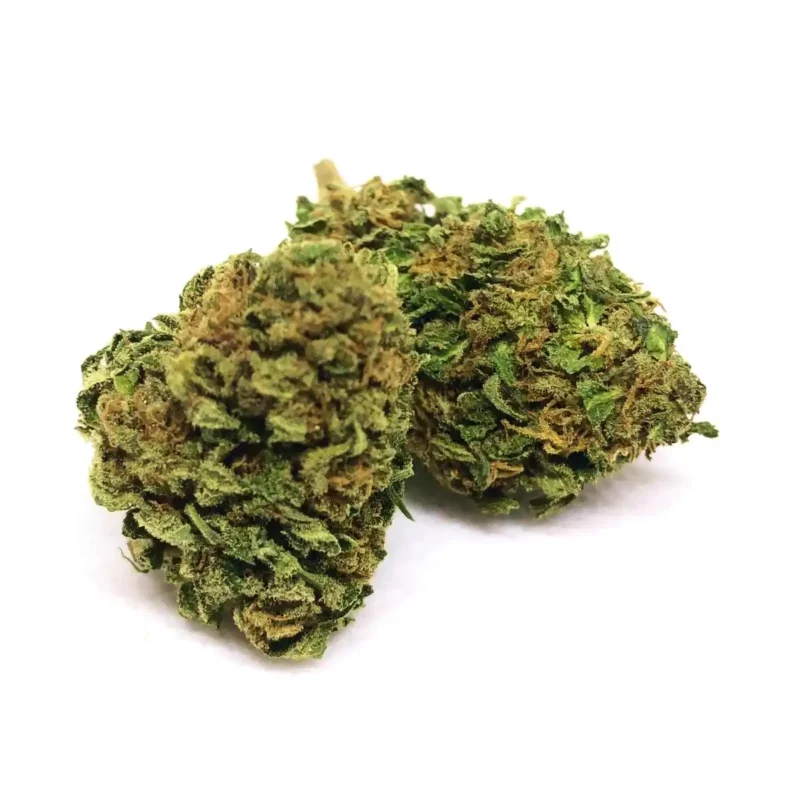
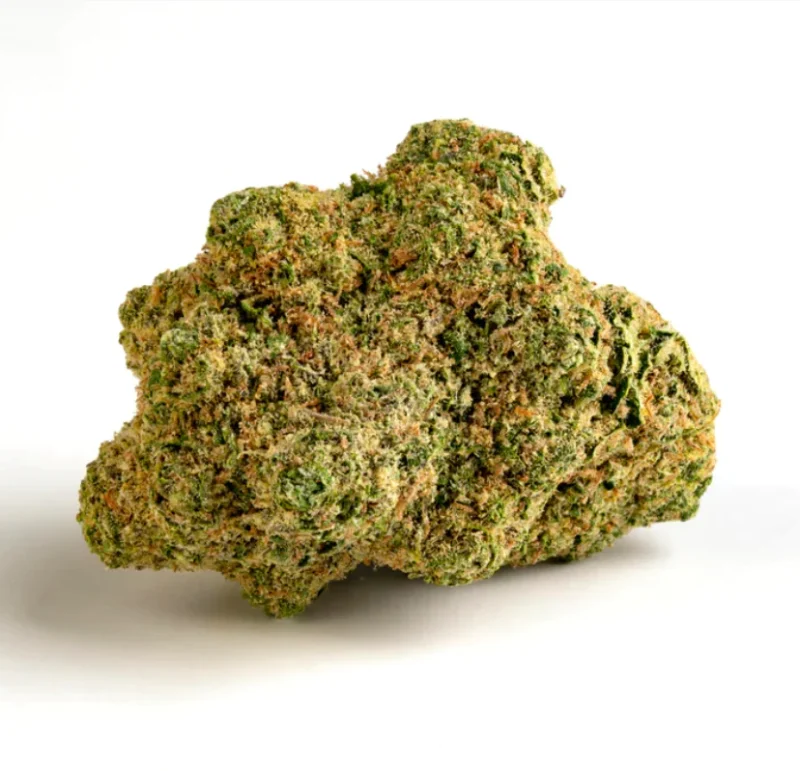
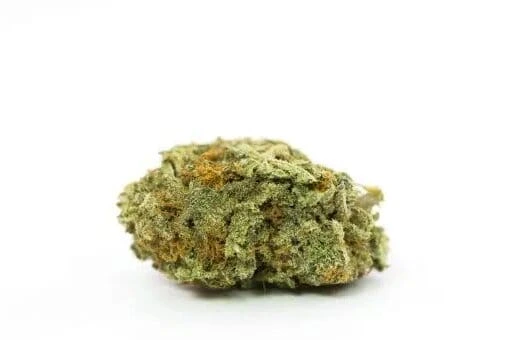
Product on sale Ak47Price range: £2.98 through £195.08From 0,64 €/gr
 -
Product on saleAmnesia Haze – GreenhousePrice range: £2.98 through £252.88From 0,64 €/gr -
Product on saleBoris Kiwi 2.0 | Legal CannabisPrice range: £2.98 through £180.63 -
Product on saleBz QueenPrice range: £2.98 through £255.00From 0,75 €/gr -
Product on sale Candy KushPrice range: £2.98 through £252.88From 0,64 €/gr
 -
Product on sale Cookies KushPrice range: £2.98 through £216.75From 2,17 €/gr
 -
Product on saleGorilla GluePrice range: £2.98 through £252.88From 0,64 €/gr -
Product on saleLemon HazePrice range: £2.45 through £270.00From 0,88 €/gr -
Product on sale Orange BUDPrice range: £2.98 through £216.75From 0,64 €/gr
 -
Product on salePink LadyPrice range: £2.98 through £187.85From 0,64 €/gr -
Product on sale Red PoisonPrice range: £2.98 through £195.08From 0,64 €/gr
 -
Product on saleStrawberryPrice range: £2.98 through £216.75From 0,64 €/gr -
Product on saleSwiss Beauty | Legal CannabisPrice range: £5.40 through £202.30From 2,02 €/gr -
Product on saleWhite WidowPrice range: £2.98 through £245.65From 0,64 €/gr
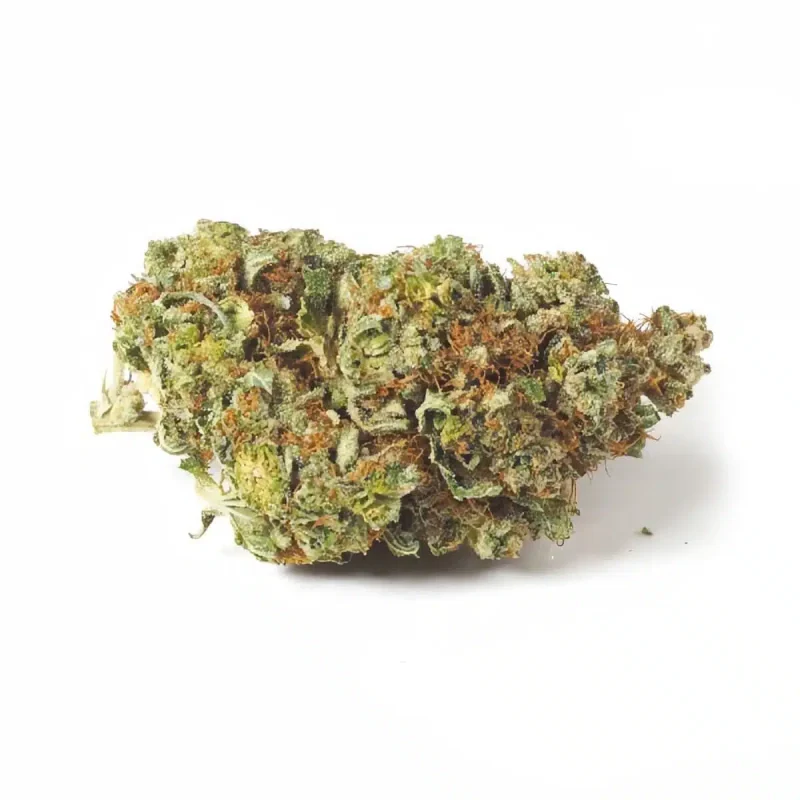
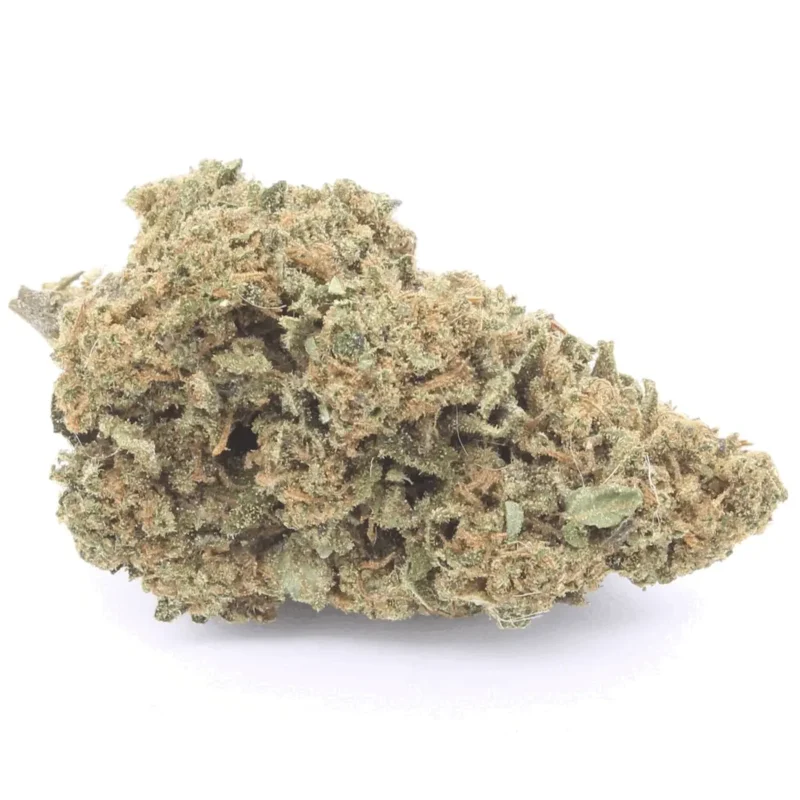
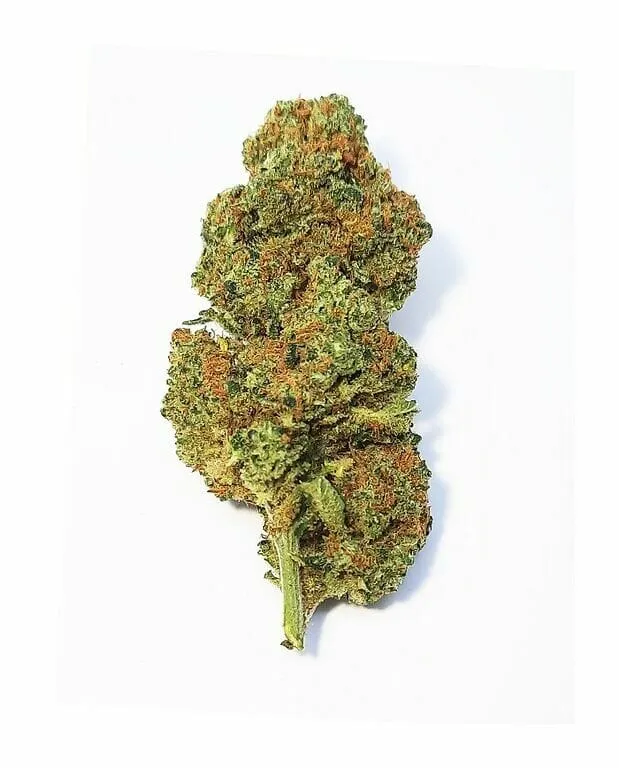
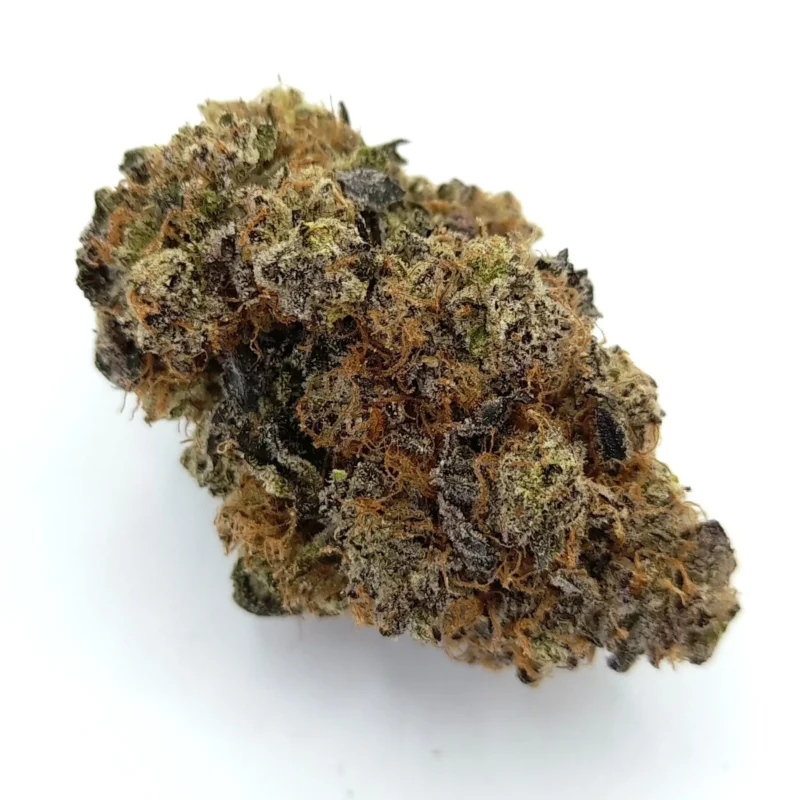
Indica and Sativa Effects
Let us now turn to the difference between Sativa and Indica in their effects, i.e. when they come into contact with the body.
The Indica variety we have already mentioned contains a lower percentage of THC, but at the same time boasts a higher percentage of CBD. It has a relaxing action and is therefore suitable for night use due to its sedative properties. It helps combat insomnia, restore appetite and manage pain.
It works more on a physical rather than mental level, helps to balance any imbalances in the organs and strengthens the immune system.
In the Sativa, the THC level is higher. This cannabinoid stimulates the brain and is therefore more suitable for daytime use because it infuses energy. It is perfect for those who wish to stimulate their creative side and for those who want to embark on new projects.
THC and CBD are very similar to each other. But while CBD works more on the body, THC interacts with the central nervous system and has more effect on the brain. The Sativa is able to treat depression and anxiety, keeps the mind alert and the psychoactive effect also infuses euphoria.
The survey on indica and sativa cannabis
Much can still be said, in theory, about the diatribe between Indica vs. Sativa. But where do consumers stand?
A web survey of medical cannabis users published in The Journal of Alternative and Complementary Medicine gives us an idea. This online survey aimed to gauge the opinions of medical cannabis users on the effects of Indica and Sativa cannabis. A total of 95 people were surveyed and the results were very interesting.
Indica cannabis was found to be most effective in pain management, sedation, and promoting sleep. Sativa cannabis, on the other hand, was more effective in increasing energy and euphoria, and thus in combating depression.Obviously, this is a small sample that cannot represent the totality of cases, but it is a good starting point for assessing the difference in the effects of the two varieties of cannabis.
Legal CBD products
The products you commonly find in both physical and online shops have been prepared using plants in which the THC level is low. This detail is crucial for the creation of legal products. In fact, marijuana, which contains a high percentage of THC, is considered illegal.
When buying a CBD product, always check the THC component, which must be indicated on the packaging. Every country in the world has set its own limit, which for Italy is less than 0.5 per cent. This threshold is considered absolutely safe for health. No limit has been set for CBD, which can also be found in very high concentrations.
In our shop you will find products created according to European standards with a low THC content and a high percentage of CBD. Discover all Maria CBD Oil products!