Contact us





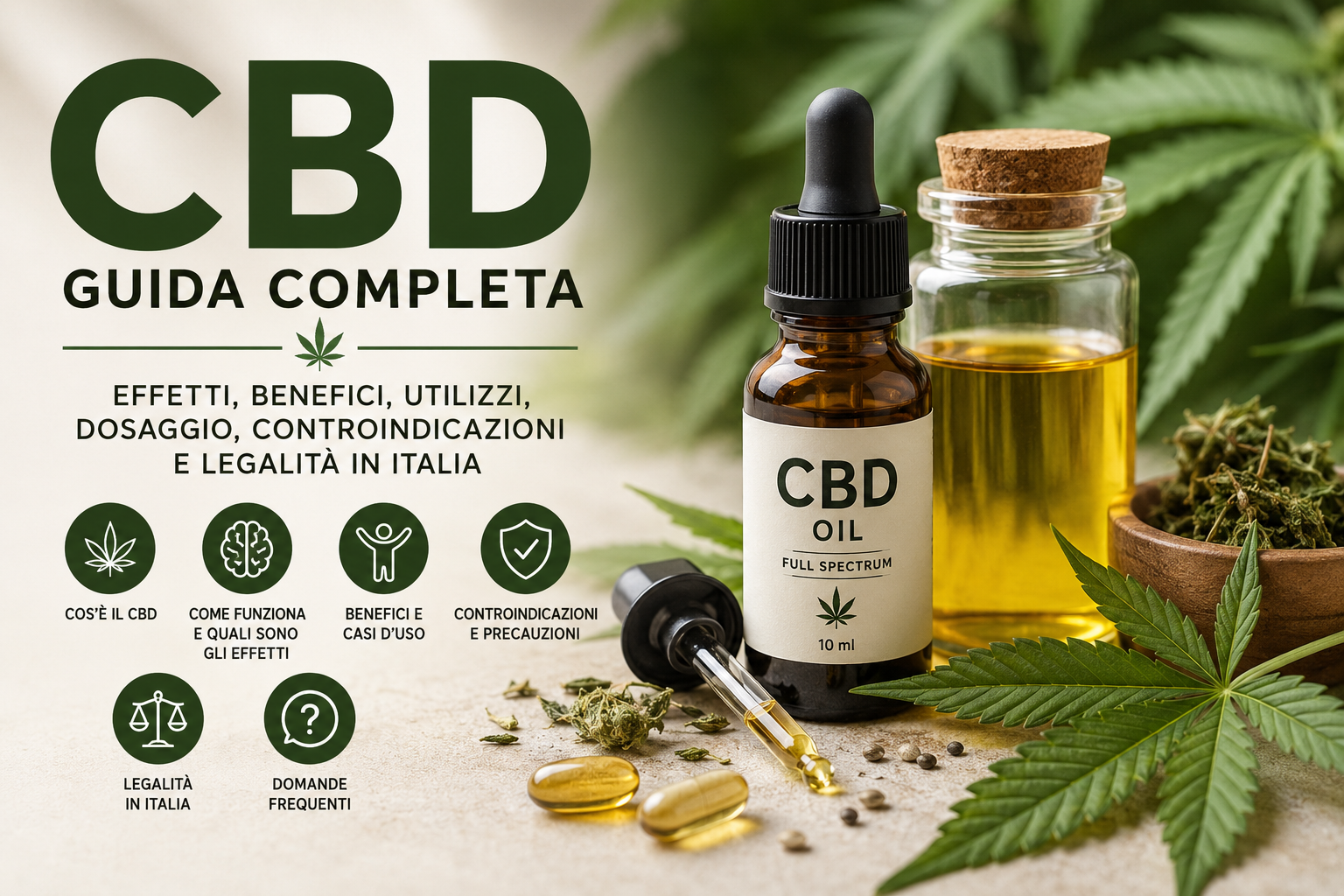
Cannabidiol, or CBD, is one of the best-known active ingredients in hemp, a plant belonging to the Cannabaceae family, hence its name.
This plant contains more than 100 cannabinoids, a group of chemical compounds that includes CBD, as well as many other natural compounds.
CBD has gained immense popularity worldwide thanks to its potential properties, which are still being researched. In the media, cannabidiol is frequently mentioned in relation to topics such as:
- sleep quality
- stress management
- appetite
- pain perception
- inflammatory processes
One of its most valued aspects is that it is non-psychoactive and, unlike THC, does not cause mental alterations or adverse health effects, a characteristic that contributes to the interest it generates in research and public awareness.
For this reason, in recent years, a growing number of people have become interested in CBD-based products, often as part of a lifestyle focused on overall well-being.
At the same time, the scientific community has intensified its studies on cannabidiol, especially following the growing regulatory and legislative interest in the cultivation and analysis of hemp. However, currently available research does not support attributing therapeutic properties to CBD or its consideration as an alternative to pharmacological treatments.
Therefore, it is important to remember that CBD should not be considered a medicine and does not replace medical diagnosis, treatment, or advice.
What is the history of CBD?
CBD was first isolated in 1940 by American chemist Roger Adams, who, during his studies on cannabis, also identified other cannabinoids, such as CBN, laying the groundwork for modern research on these compounds.
A key moment occurred in 1964 when Raphael Mechoulam isolated THC and subsequently contributed to the discovery of the endocannabinoid system, a biological system present in the human body that interacts with cannabinoids. This discovery marked a turning point in the scientific understanding of cannabis.
In the following years, particularly in the 1970s and 1980s, the scientific community’s interest in CBD grew even further, especially due to its lack of psychoactive effects compared to THC. Since then, cannabidiol has become the subject of numerous studies and research projects.
Today, CBD continues to be scientifically studied and regulated as part of an ever-evolving line of research that explores its characteristics and biological interactions.
All forms of CBD on the market
Once we’ve clarified what CBD is, it’s important to understand all the forms it can be found in and where to buy it. CBD is present in a more or less pure form in many products, such as oils, crystals, creams, foods, infusions, and supplements.
Each product is designed to meet specific consumer preferences, allowing them to choose from a variety of options.
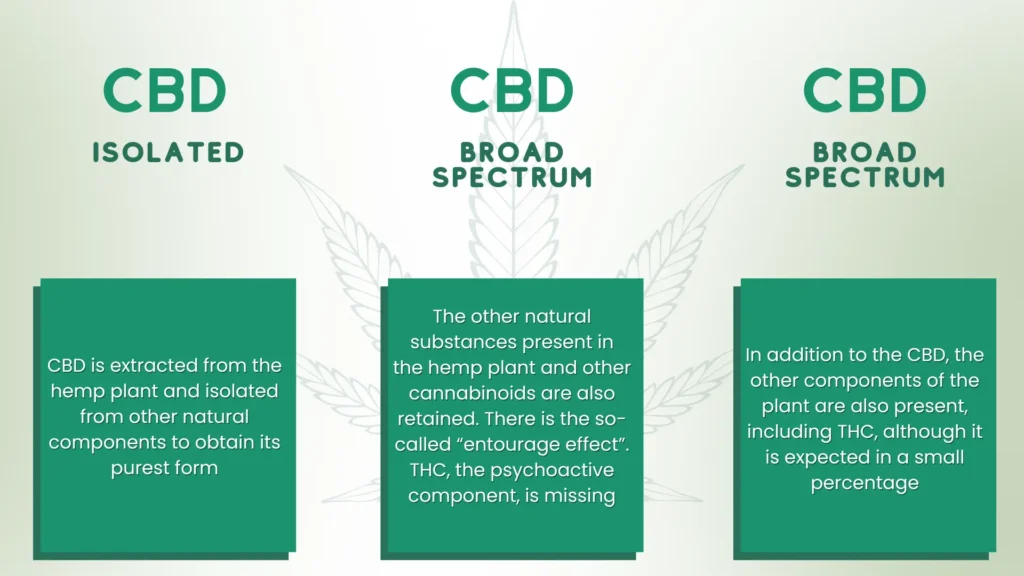
When CBD is used to make oil, it can be found in three different forms:
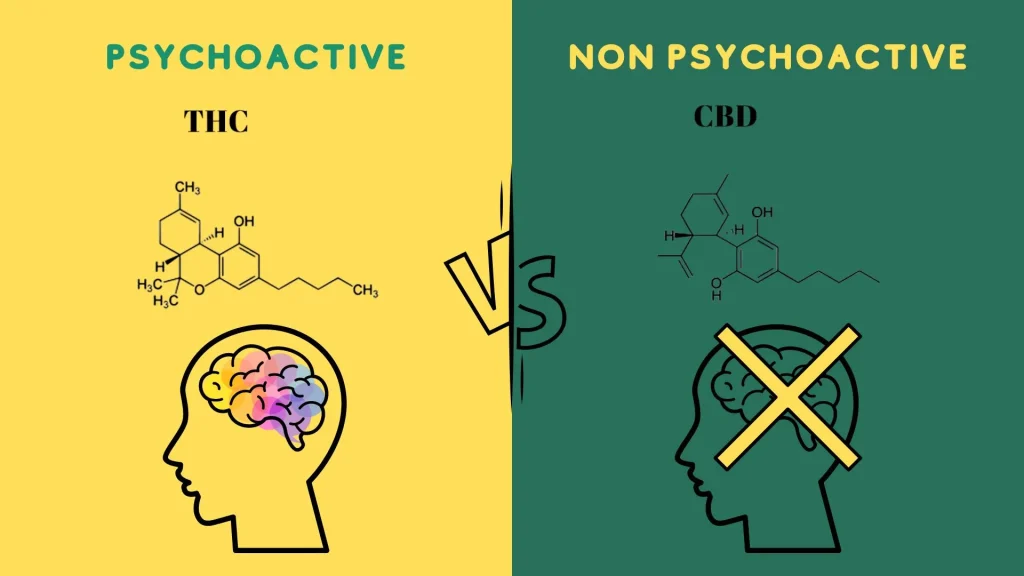
Difference between CBD and THC
Scientific and governmental institutions also play a significant role in cannabinoid research.
Organizations like the National Institute on Drug Abuse (NIDA) have been analyzing the effects of various cannabis compounds on the nervous system for years, while national governments use this evidence to define regulatory frameworks for the cultivation, marketing, and use of plant-derived products.
For this very reason, it is crucial to clearly distinguish between CBD and THC, two cannabinoids that are often mentioned together but have profoundly different characteristics.
| Feature | CBD | THC |
| Origin | Cannabinoid naturally present in the cannabis plant | Cannabinoid naturally present in the cannabis plant |
| Psychoactivity | Non-psychoactive | Psychoactive |
| Effects on the state of consciousness | It does not cause mental changes or euphoria | It can induce feelings of euphoria and perceptual alterations |
| Interaction with the brain | Object of study for its modulating role on various biological systems | It stimulates the release of dopamine, a neurotransmitter involved in pleasure mechanisms |
| Regulation | In some countries it is permitted within the limits of the law | Subject to more restrictive regulations |
What does CBD taste like?
CBD oil is distinguished by its delicate, almost completely flavorless taste.
However, in some varieties, it can offer a pleasant, light, herbal aftertaste, characteristic of high-quality, organically grown hemp extracts.
This discreet aromatic profile makes it particularly popular with those seeking a natural product without overpowering flavors.
By contrast, CBD crystals, thanks to their near-absolute purity, are completely flavorless. This makes them extremely versatile, perfectly suited to a variety of uses without altering the taste of the foods or beverages to which they are added.
Both oil and crystals are excellent options for those seeking the benefits of CBD, but with different organoleptic characteristics, suited to different preferences and needs.
The CBD production process
The production of CBD products follows a series of regulated steps, from hemp cultivation to laboratory testing of the final product.
Each step may vary based on the manufacturer’s experience, the technologies used, and current regulations, but must always comply with applicable national and European legal requirements.
Below is an overview of the main stages of the production process, presented descriptively and informatively:
| Phase | Description |
| Hemp cultivation | Production begins with the cultivation of hemp plants obtained from certified seeds registered in the European register. In Italy, cultivation is permitted only of strains with THC content within legal limits, intended for industrial use. |
| Choice of varieties | Authorized varieties are selected based on agronomic and regulatory criteria. The choice does not concern consumer effects, but rather legal compliance and plant stability. |
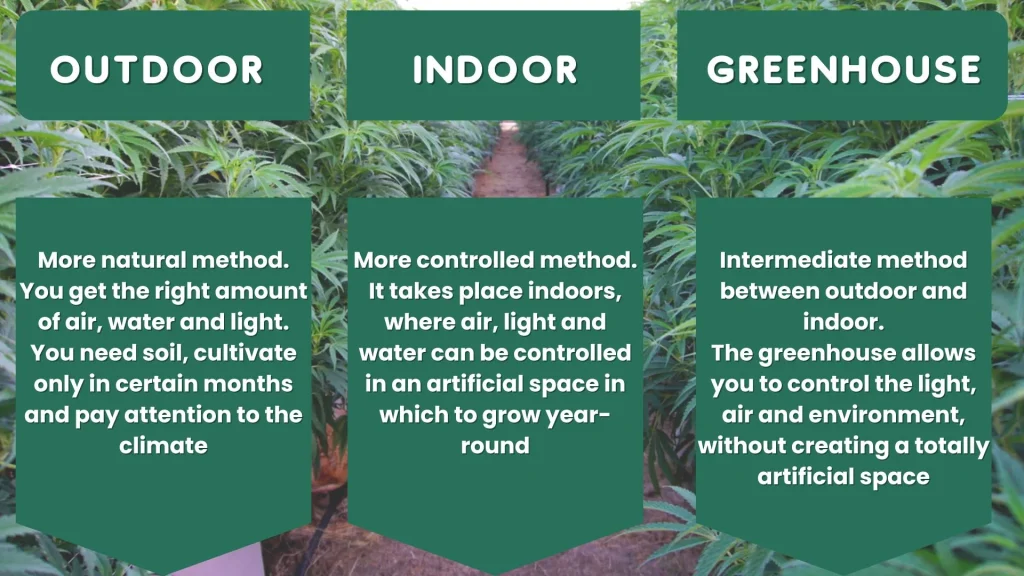
| Cultivation methods | Hemp can be grown outdoors, indoors, or in greenhouses, depending on available resources and production goals. Each method has different characteristics in terms of environmental control, yield, and management. |
| Collection of inflorescences | After maturation, the plants are harvested and the inflorescences are selected because they contain the highest concentration of cannabinoids and other plant compounds. |
| CBD Extraction | CBD is extracted from inflorescences using various methods, chosen based on technology and production standards. Extraction does not alter the nature of the compound but allows for its isolation. |
| Supercritical CO₂ | An advanced industrial method that uses carbon dioxide under controlled conditions to separate cannabinoids. It is appreciated for its lack of residual solvents and high level of process control. |
| Ethanol extraction | A technique that uses ethyl alcohol as a solvent. It is simpler operationally but requires additional purification steps. |
| Extraction with hydrocarbons | This method is less widespread at an industrial level due to the technical complexity and precautions required during the process. |
| Oil extraction | Process that uses carrier oils (such as olive oil or MCT) to obtain a non-concentrated extract, often used in artisanal production. |
| Product formulation | The extracted CBD is inserted into various formulations (oils, capsules, cosmetics, foods), in compliance with the specific regulations for each product category. |
| Laboratory tests | Finished products undergo laboratory analysis, preferably by independent third-party organizations, to verify their composition, cannabinoid content, and compliance with legal limits. |
| Certificates of analysis (COA) | Test results can be made available through certificates of analysis, which provide objective information on the composition of the product. |
The potential properties of CBD under study
It’s not only important to know what CBD is, but also to understand why it is currently the subject of such great scientific interest.
Cannabidiol is being studied for its interaction with the endocannabinoid system, a biological system involved in regulating various physiological processes such as internal balance, stress response, and pain perception.
Available research suggests that CBD may play a role in modulating mechanisms related to:
- inflammation
- mood
- quality of sleep
Although many areas are still being explored and do not allow definitive conclusions.
Precisely for this reason, CBD is considered a substance of interest in the context of general well-being, always in compliance with current regulations and without replacing the advice of a healthcare professional.
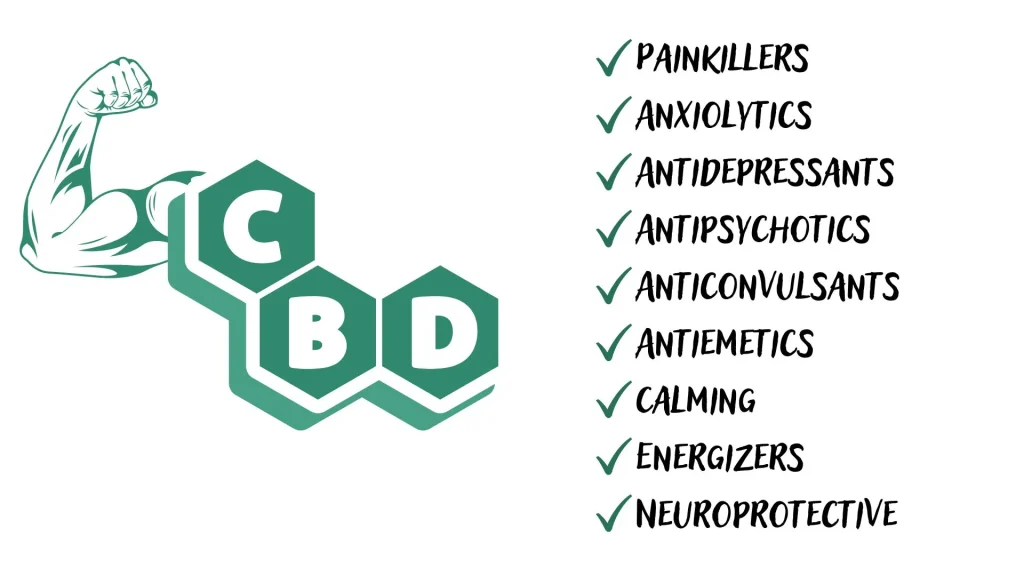
Potential applications of CBD
CBD is the subject of growing scientific interest due to its involvement in various biological processes.
International research is analyzing CBD in multiple contexts, without implying therapeutic approvals or widespread clinical use outside of specific regulated drugs.
Here are some of the main areas of study in which CBD is being analyzed in the scientific literature:
- Drug-resistant epilepsy: A 2024 review analyzed clinical studies on the use of CBD, particularly in refractory forms of epilepsy, such as those resistant to conventional drugs, and showed average reductions in seizure frequency in the groups treated in the study settings.
- Anxiety and emotional regulation: A 2023 study reports that CBD is being studied for the modulation of nervous system mechanisms involved in anxiety and sleep organization, within inconclusive scientific contexts.
- Sleep Disorders and Circadian Rhythm: In a 2023 study, scientific publications analyze the role of CBD in modulating biological processes related to sleep, particularly the mechanisms that influence circadian rhythms.
- Neurologic System and Neurochemical Processes: A comprehensive 2023 review of scientific research summarizes the evidence on how CBD interacts with the central nervous system and other neurobiological mechanisms for various neurological conditions studied in the laboratory.
- Cardiovascular Applications and Stress Response: A 2023 review indicates that there are preclinical data and studies in healthy volunteers examining how CBD influences the blood pressure response to stress and other vascular parameters, but the area remains under investigation.
- Autism Spectrum Disorders (ongoing research): Clinical trials registered in 2023 (e.g., NCT03900923, NCT04520685, and others) explore the role of CBD in some aspects of autism spectrum disorders, with results expected from ongoing research and recent publications.
Side effects of CBD
The safety of CBD is a topic of concern for the scientific community and international organizations.
Available assessments, including those cited in World Health Organization (WHO) documents, analyze cannabidiol in relation to its general tolerability, but this does not constitute approval as a risk-free substance in every context.
According to scientific literature, CBD is generally described as well-tolerated, but, as with many natural substances, adverse effects may occur, the type and intensity of which vary from person to person.
Effects reported in studies include, for example:
- feelings of fatigue or drowsiness
- gastrointestinal disturbances, such as diarrhea
- dry mouth
- headache
- changes in appetite
- mild mood swings
In most cases, these effects have been described as transient and dependent on individual factors, dosage, and context of use. However, research emphasizes the importance of considering possible drug interactions, especially for those taking other medications metabolized by the liver, and of consulting a healthcare professional.
It is also important to distinguish CBD from THC, a cannabinoid known for its psychoactive effects. CBD does not produce alterations in consciousness, a characteristic that contributes to its scientific interest, but this does not mean it is free of contraindications or that it can be considered an alternative to pharmaceuticals.
We remind you that CBD is not a medical remedy, does not replace traditional therapies, and should not be used for curative purposes.
CBD dosage
CBD dosage is widely discussed in the media, but there’s no one-size-fits-all amount. Dosage estimates can vary based on numerous individual factors, such as:
| Factor | Explanation |
| Personal characteristics | Each organism responds differently to natural substances, based on individual physiological and genetic factors. |
| Body weight | Weight can affect the distribution of substances in the body, an aspect often considered in research contexts. |
| Age | Age can affect metabolism and the body’s overall response to various substances. |
| Metabolism | The rate at which the body metabolizes substances can vary significantly from person to person. |
| Individual sensitivity | Some individuals may be more sensitive than others to certain compounds, even in low amounts. |
| Product type | The formulation (oil, capsules, crystals, etc.) can influence the absorption patterns and perceived duration. |
| Product concentration | Products with different concentrations of CBD have different compositional characteristics. |
| How to use | How you take or use the product can affect the overall experience. |
| Presence of other substances | Interactions with other supplements or medications can influence the behavior of CBD in the body. |
| Lifestyle | Diet, physical activity level, and daily habits can contribute to individual response. |
For this reason, popular and scientific literature emphasizes the importance of a gradual and cautious approach, avoiding standardized recommendations. Many information sources recommend starting with small amounts and observing individual response over time, without drawing immediate conclusions.
In the presence of pharmacological therapies, medical conditions, or doubts regarding use, it is always advisable to consult a healthcare professional, who can provide personalized advice tailored to each individual case.
CBD Oil Dosage Calculator
How CBD interacts with the body
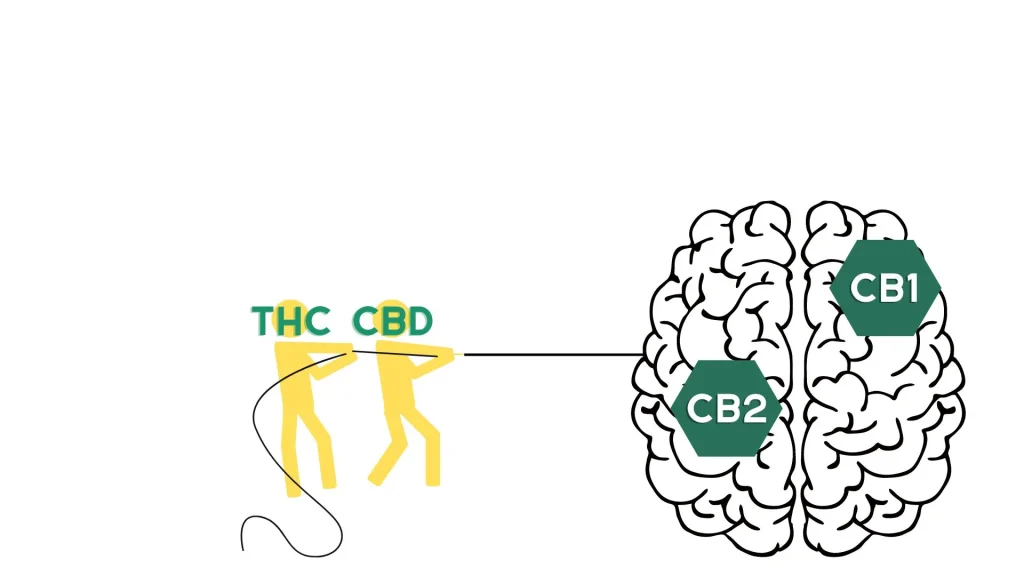
Scientific research on CBD has developed in parallel with the discovery of the endocannabinoid system, identified in the early 1990s as a biological system present in vertebrates. This system is distributed throughout the central and peripheral nervous systems and is being studied for its role in regulating the body’s internal balance.
The endocannabinoid system comprises specific receptors, primarily CB1 and CB2, and molecules naturally produced by the body, called endocannabinoids. Research analyzes this system in relation to various physiological processes, such as the regulation of:
- mood
- sleep
- appetite
- immune response
- pain perception
Without requiring direct therapeutic interventions.
Plant-derived cannabinoids, such as CBD and THC, are being studied for their interaction with the endocannabinoid system.
In particular, CBD is of scientific interest due to its modulatory behavior and the fact that it does not have psychoactive effects.
It’s important to emphasize that CBD does not replace medical therapies, correct biological deficiencies, or act as a treatment for pathological conditions. Its role falls exclusively within the context of scientific research into the functioning of the endocannabinoid system and the body’s regulatory processes.
Is CBD legal?
Legal CBD is a plant-based compound with no psychoactive effects, a subject of interest from the scientific community and international organizations. In evaluation documents, the World Health Organization (WHO) has also analyzed cannabidiol’s profile in relation to its general tolerability, but this does not constitute medical approval or a therapeutic indication.
CBD is often cited in popular media in the context of general well-being, but it is not a drug and should not be used to treat ailments or medical conditions. Effects or responses may vary from person to person and depend on numerous individual factors.
From a regulatory perspective, for a CBD product to be considered legal, the THC content must fall within the limits established by current legislation. In Italy and many European countries, these limits are set at very low percentages, designed to avoid psychotropic effects.
It is important to remember that the legislation on CBD and cannabis is subject to change and may vary depending on the country and local jurisdiction. For this reason, it is always advisable to consult the relevant authorities for updated regulations.
How long does CBD stay in urine?
How long does CBD last in urine?
The presence of CBD or its metabolites in urine is a complex issue and depends on numerous individual factors. Scientific literature highlights that there is no one-size-fits-all time frame, as detectability can vary based on personal characteristics, usage patterns, and product composition.
Furthermore, it is important to distinguish between CBD and THC: commonly used drug tests are designed to detect THC or its metabolites, not CBD. However, the possible presence of traces of THC in CBD products can influence the outcome of a test, especially with prolonged use or inadequately controlled products.
Regulatory-wise, CBD is not considered a narcotic in many countries, but the legality of products depends on compliance with THC limits established by current legislation.
To reduce regulatory compliance risks, it is advisable to choose products that have undergone laboratory testing and are accompanied by certifications that clearly state their cannabinoid content.
In any case, it is not possible to absolutely guarantee the absence of detectability in the tests, since individual and technical variables come into play.
Discover our CBD products
Maria CBD Oil is proud to offer a wide range of CBD products, designed to meet your daily wellness needs.Maria CBD Oil is proud to offer a wide range of CBD products, designed to meet your daily wellness needs.
The products in our CBD shop come from the European Union and are produced with EU-certified industrial hemp strains. Our CBD is extracted in various European countries, including Germany, Austria, Slovenia, and Croatia, depending on the type of product ordered.
For our products manufactured using international isolates, the hemp is grown in Colorado (USA) and then extracted using the supercritical CO2 extraction method, followed by chromatographic isolation.
Each product is therefore formulated with high-quality CBD from legal and controlled crops, to guarantee the best results in complete safety. Explore our selection and find the perfect product for you:
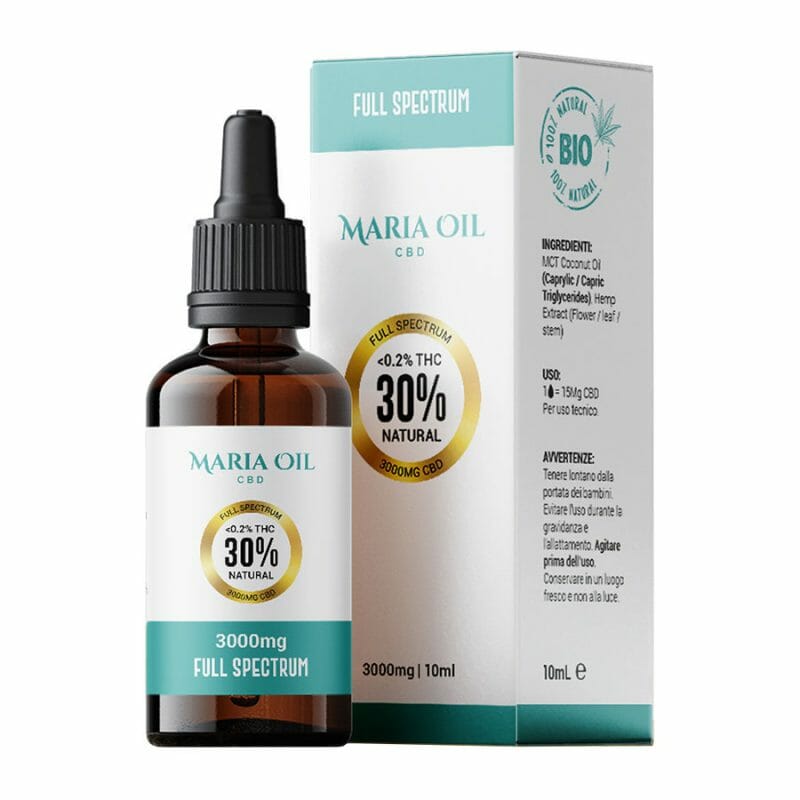
- CBD Oil: The most popular and appreciated product among consumers. Ideal for direct and versatile intake.
-
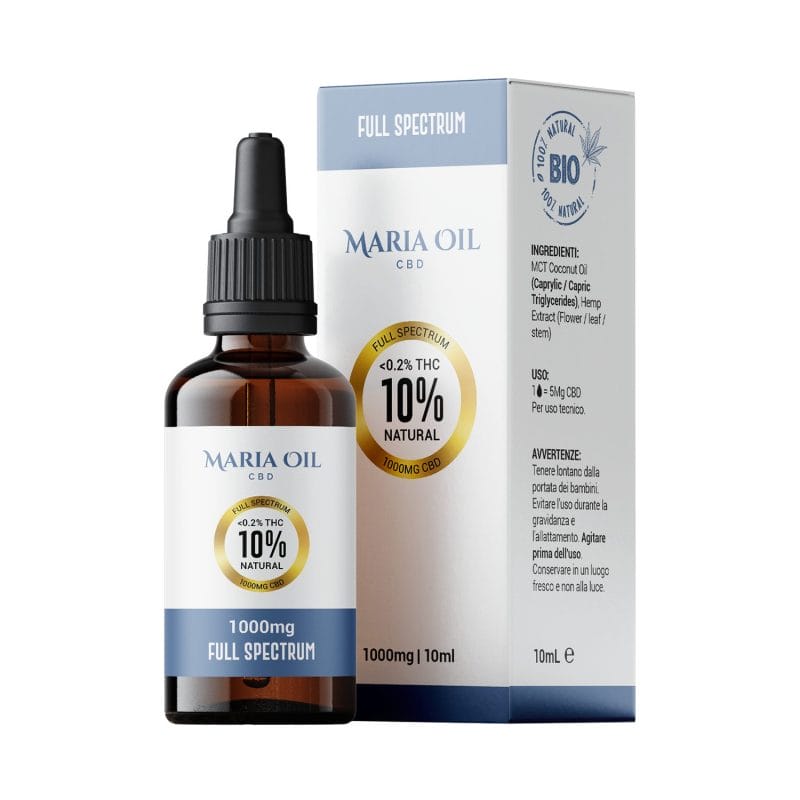
Product on sale CBD Oil 10% (1000mg) Full SpectrumPrice range: £18.56 through £34.56From 18,56 €
 -
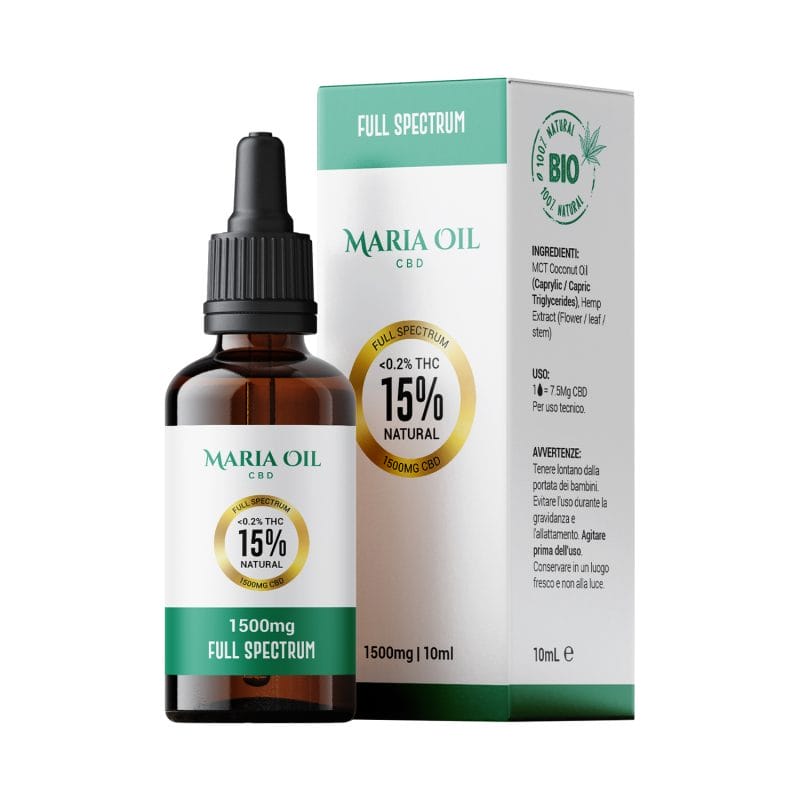
Product on saleCBD Oil 15% (1500mg) Full SpectrumPrice range: £24.96 through £40.96From 24,96 € -
Product on saleCBD Oil 30% (3000mg) Full SpectrumPrice range: £44.16 through £60.16From 44,16 €
- CBD Capsules: Easy to take, ideal for those who prefer a precise and discreet dose.
-
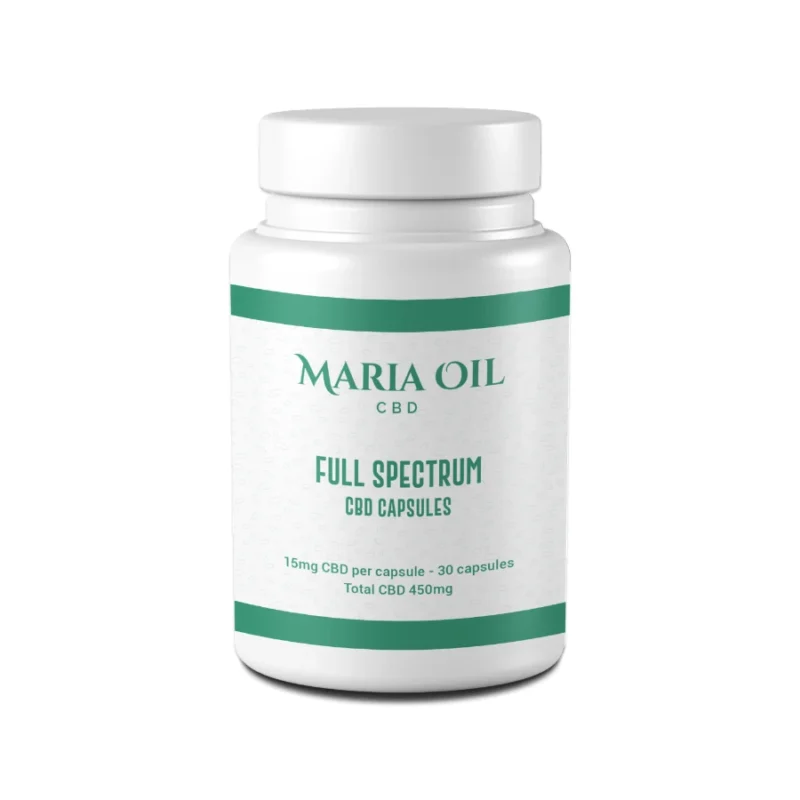
Product on saleCBD Capsules 15mg (450mg)Original price was: £20.30.£14.21Current price is: £14.21. -
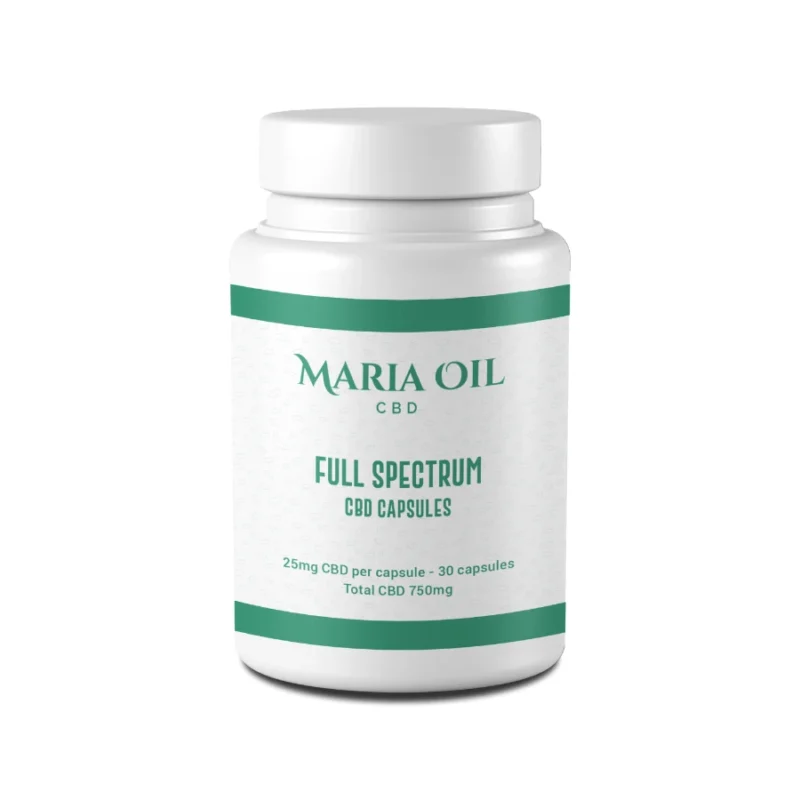
Product on saleCBD Capsules 25mgOriginal price was: £30.00.£21.00Current price is: £21.00.
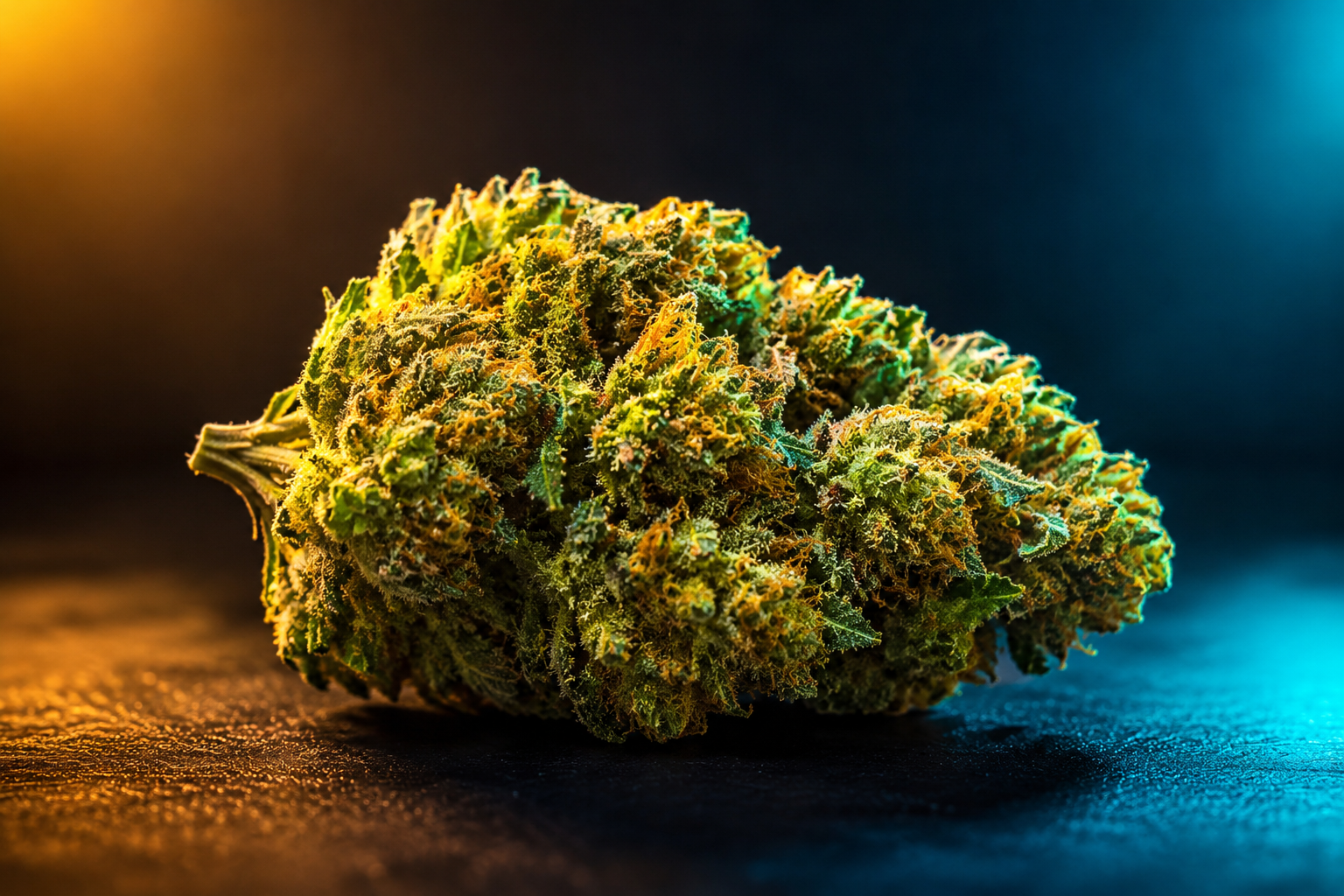
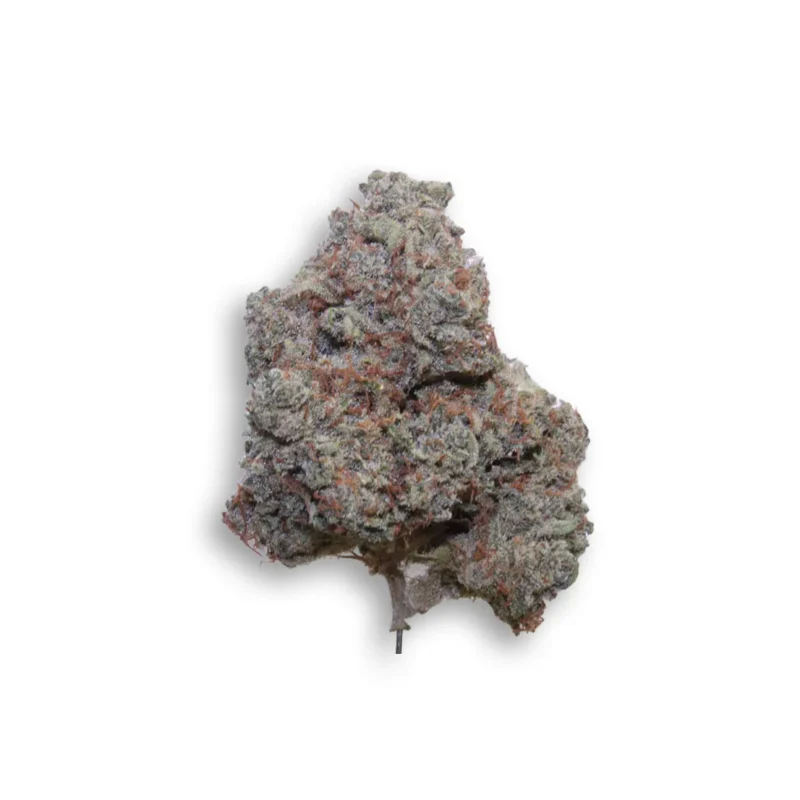
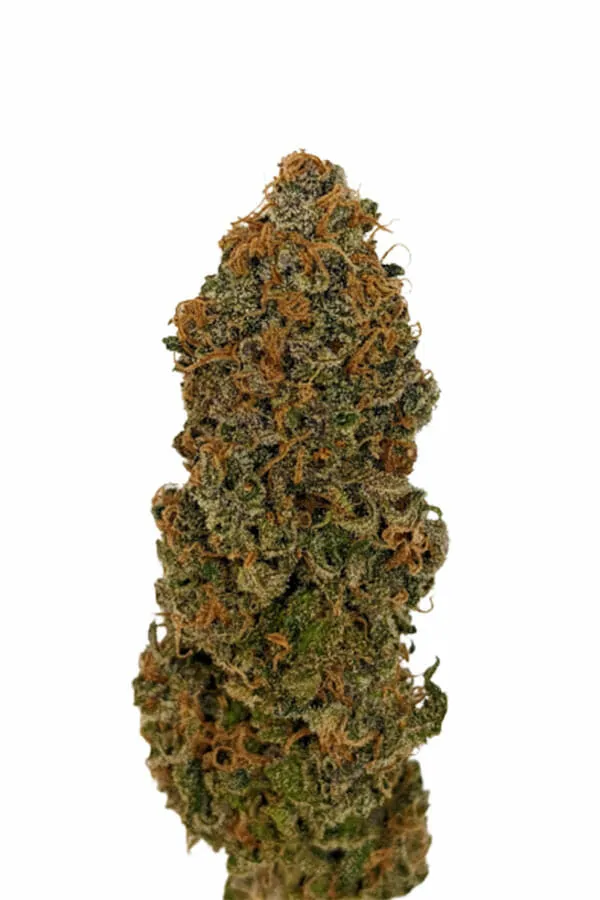
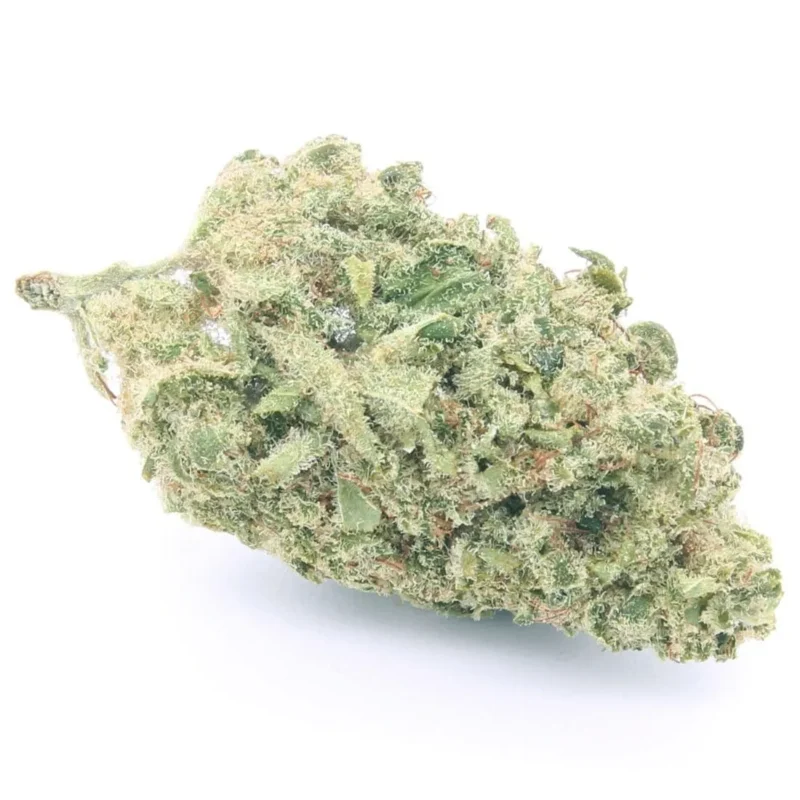
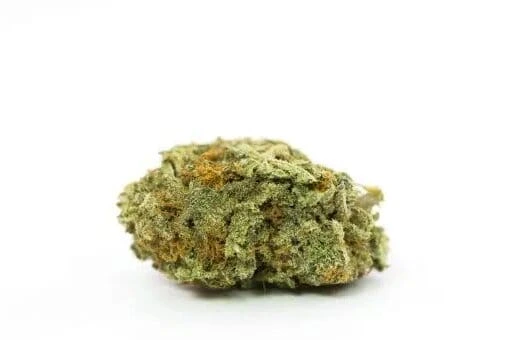
- Legal Weed: A selection of legal cannabis flowers, with a low THC content.
-
Product on saleGelato #41Price range: £2.98 through £252.88From 0,64 €/gr -
Product on sale Purple HazePrice range: £2.98 through £252.88From 2,53 €/gr
 -
Product on saleWhite WidowPrice range: £2.98 through £245.65From 0,64 €/gr
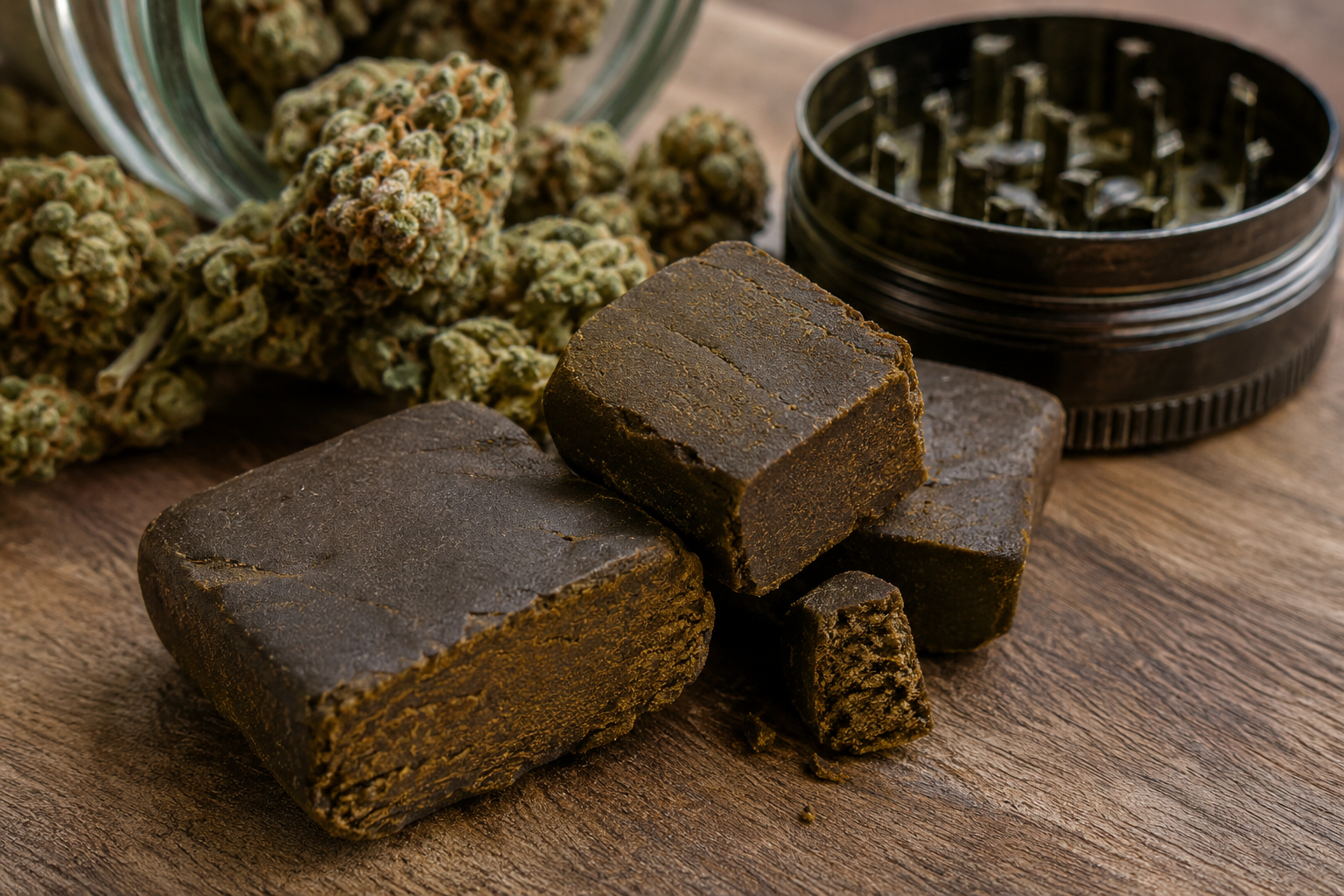
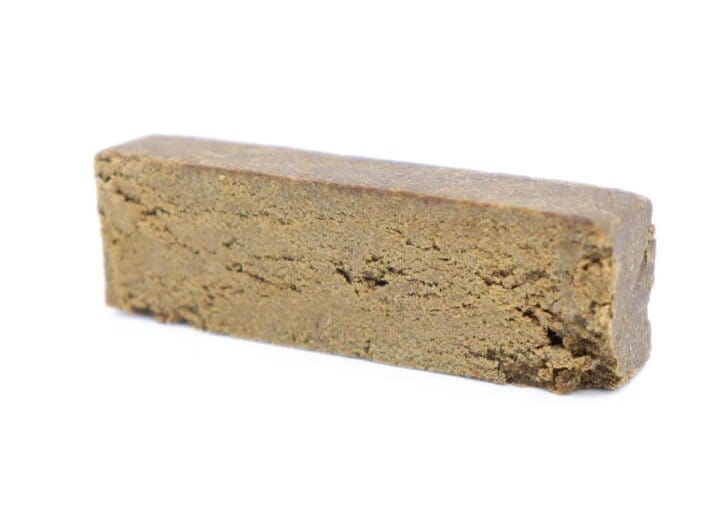
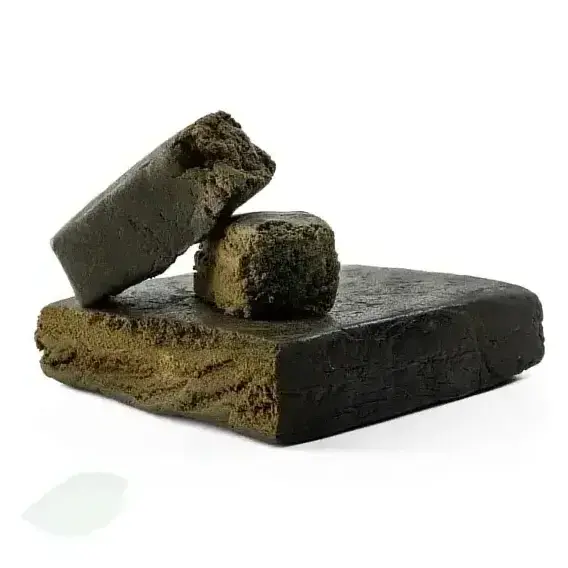
- Legal hashish: A concentrated product, rich in CBD.
-
Product on sale 00Price range: £7.23 through £211.65From 2,12 €/gr
 -
Product on sale Bengal CharasPrice range: £7.23 through £424.15From 4,24 €/gr
 -
Product on sale Cookies KushPrice range: £2.98 through £216.75From 2,17 €/gr
- CBD extracts: More concentrated solutions, available in various concentrations.
-
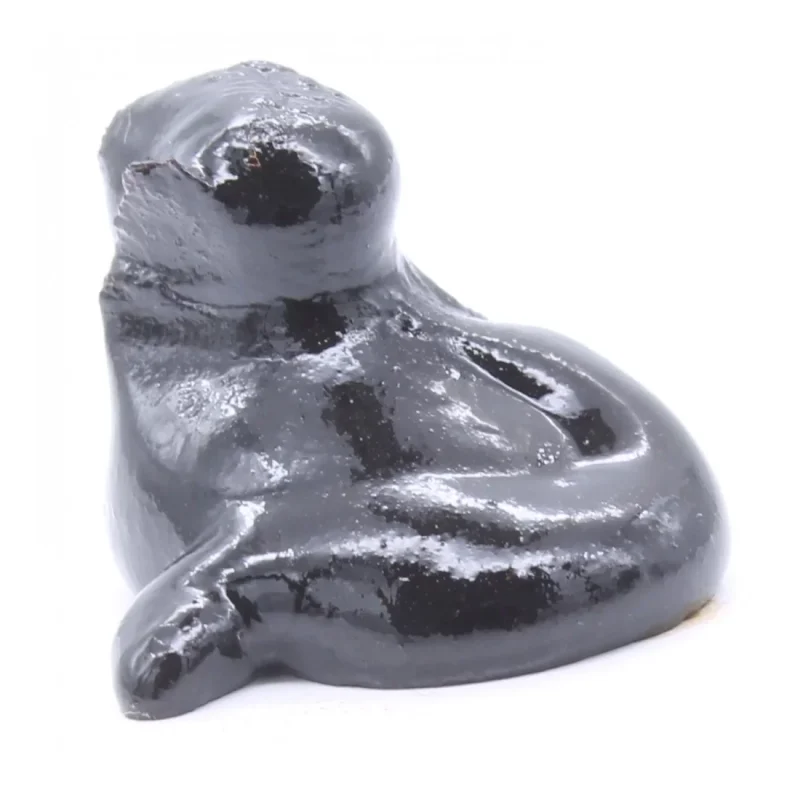
Product on saleBlack WAXPrice range: £6.80 through £160.65From 3,21 €/gr -
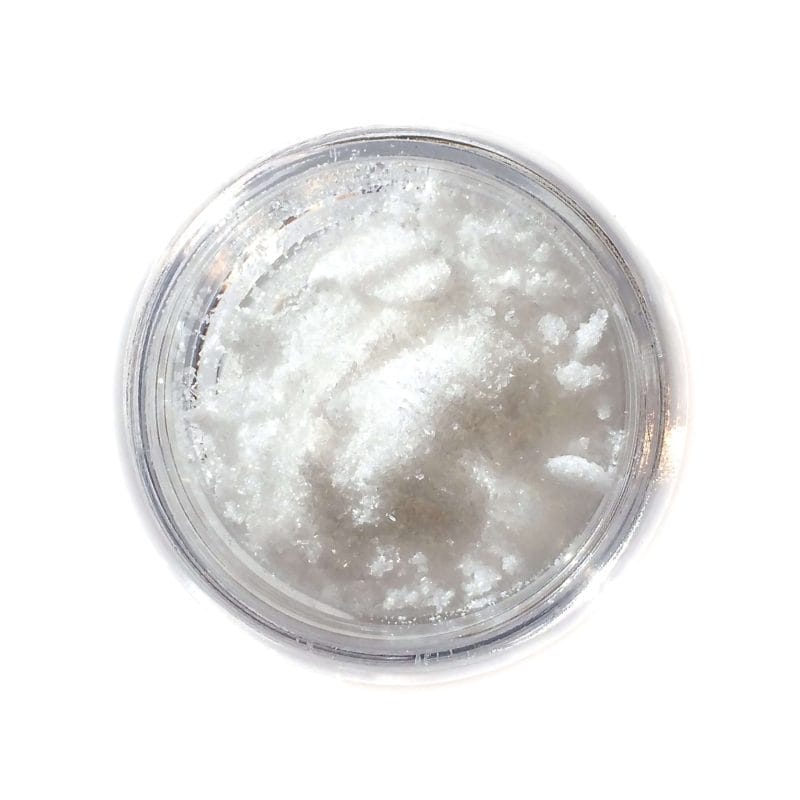
Product on saleCBD 99% CrystalsPrice range: £6.80 through £160.65From 3,21 €/gr -
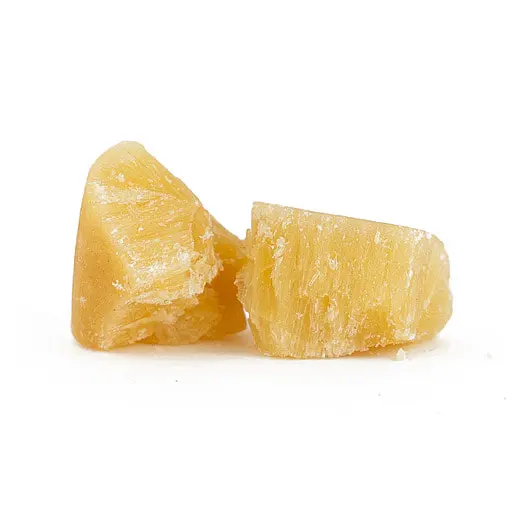
Product on sale Crumble | Legal HashishPrice range: £6.80 through £160.65From 3,21 €/gr
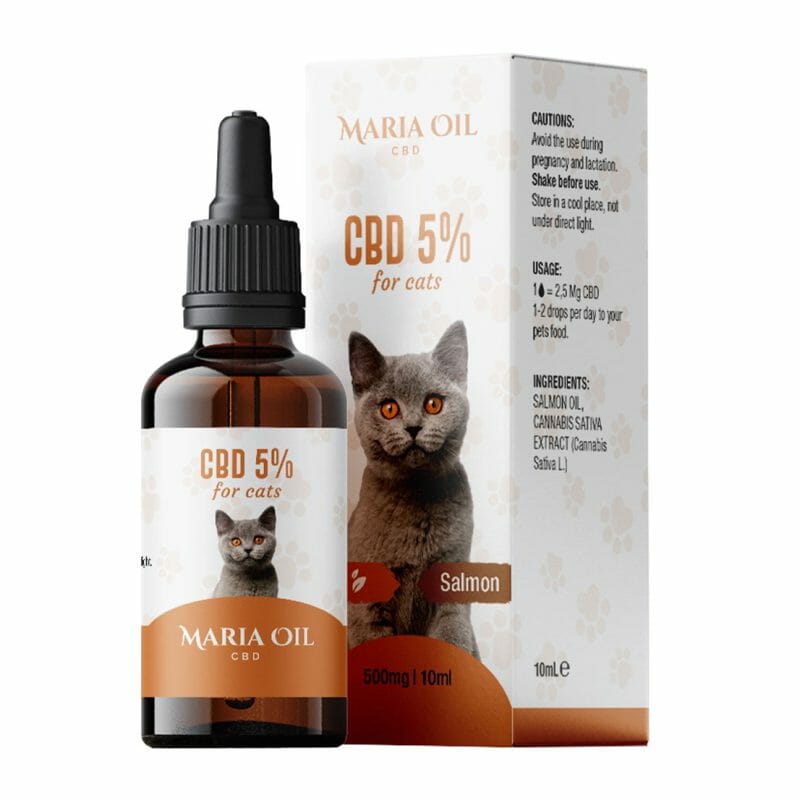
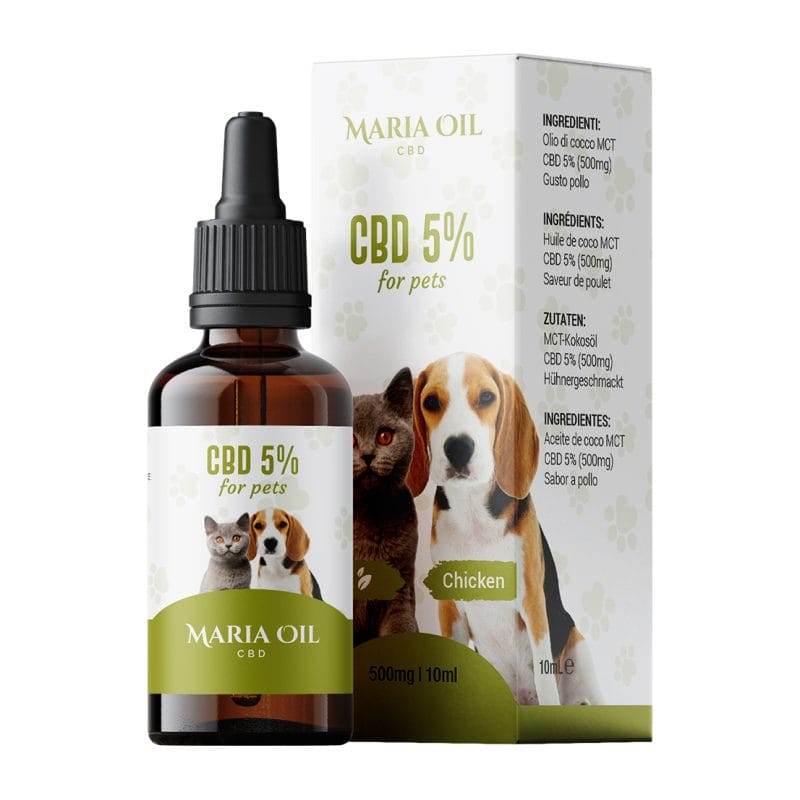
- CBD for animals: Products specifically formulated for veterinary use, designed to be compatible with the needs of dogs and cats.
-
Product on saleCBD Oil 5% for CatsOriginal price was: £19.00.£13.30Current price is: £13.30. -
Product on saleCBD Oil 5% for PetsOriginal price was: £19.00.£13.30Current price is: £13.30.
- CBD cosmetics: Creams, balms, and other skin and hair care products.
-
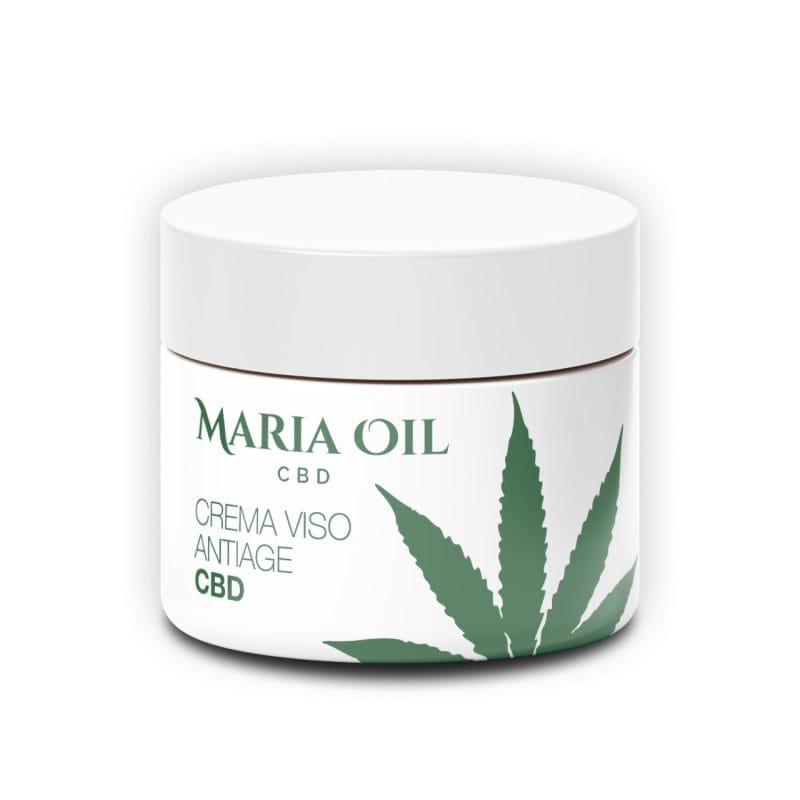
Product on saleCBD Anti Ageing Face CreamOriginal price was: £31.00.£12.40Current price is: £12.40. -
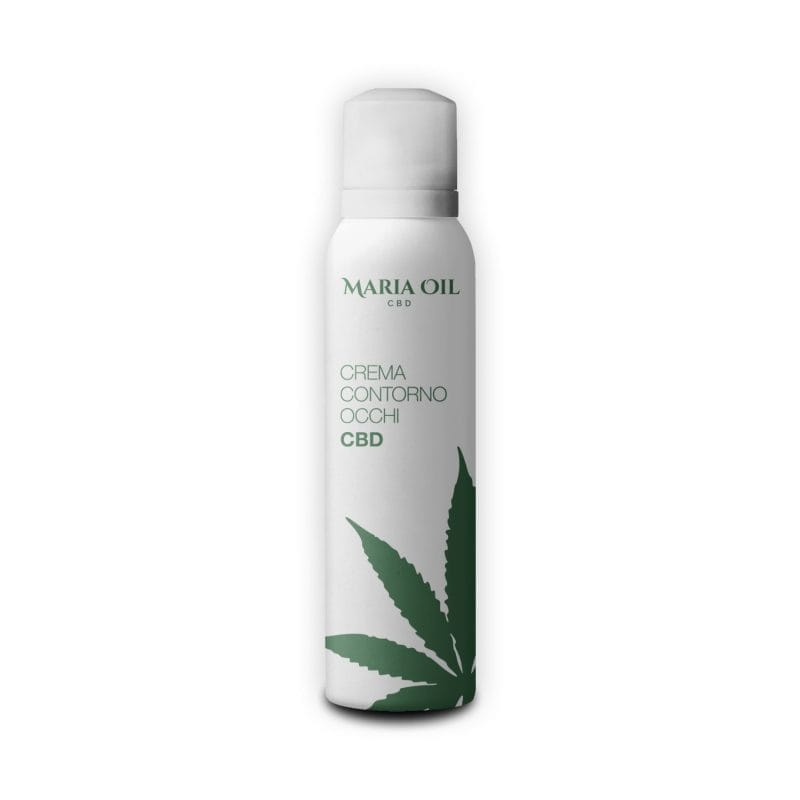
Product on saleCBD Eye CreamOriginal price was: £11.00.£4.40Current price is: £4.40.
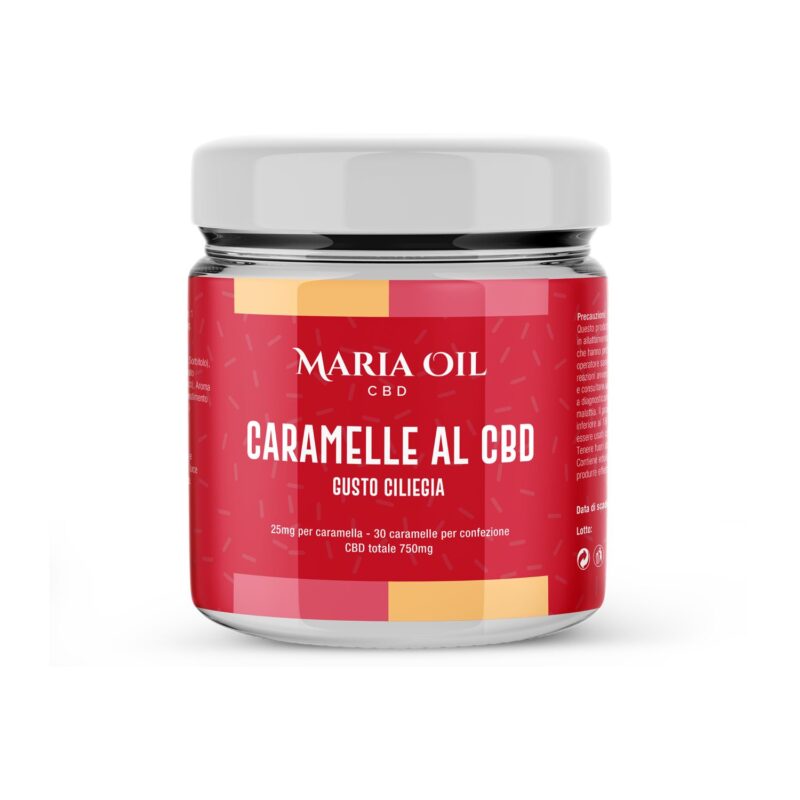
- CBD gummies and herbal teas: A tasty and relaxing way to integrate CBD into your daily routine.
-
 CBD Detox Herbal Tea£13.39
 -
 CBD herbal tea for sleep£13.39
 -
Vegan Gummies with CBD 15mg£25.00

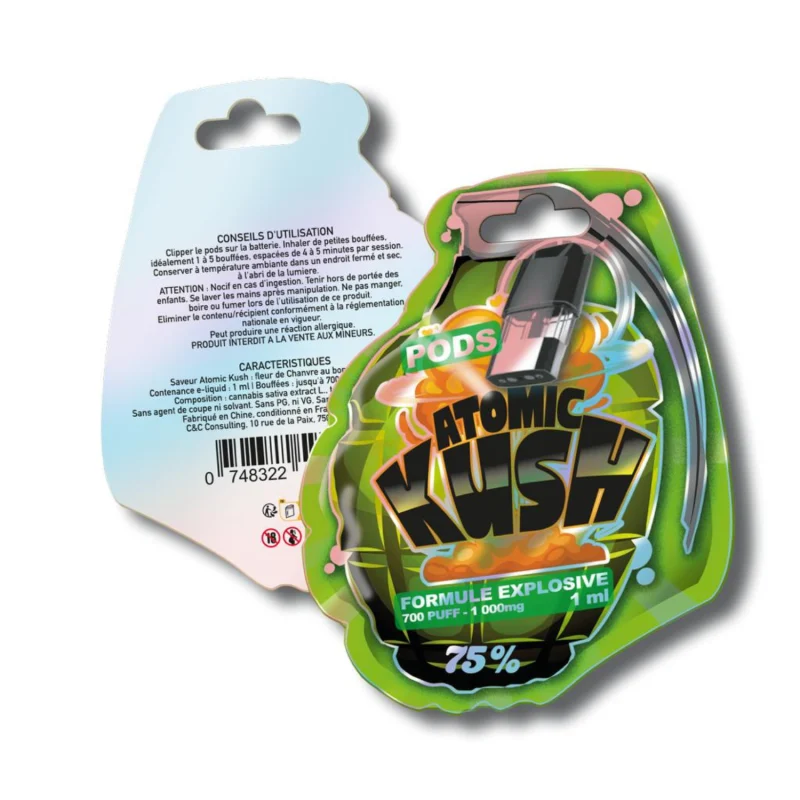
- CBD vapes and puffs: Practical and modern solutions for those who love using CBD in vaporized form, with varied and satisfying flavors.
-
Atomic Kush Pod | CBD Vapes£14.00
-
Banana Smoothie | CBD Vape Pen£19.00

Discover Maria CBD Oil products now!