Contact us





Understanding the correct CBD dosage is one of the most frequently asked questions among those new to cannabidiol products.
The truth is, there’s no one-size-fits-all amount. The ideal dosage can vary based on several factors, including:
- body weight;
- age;
- individual metabolism;
- product concentration;
- personal sensitivity;
- mode of use.
For this reason, many experts suggest following the “start low, go slow” approach, meaning starting with a small amount and gradually increasing it over time.
CBD Oil Dosage Calculator
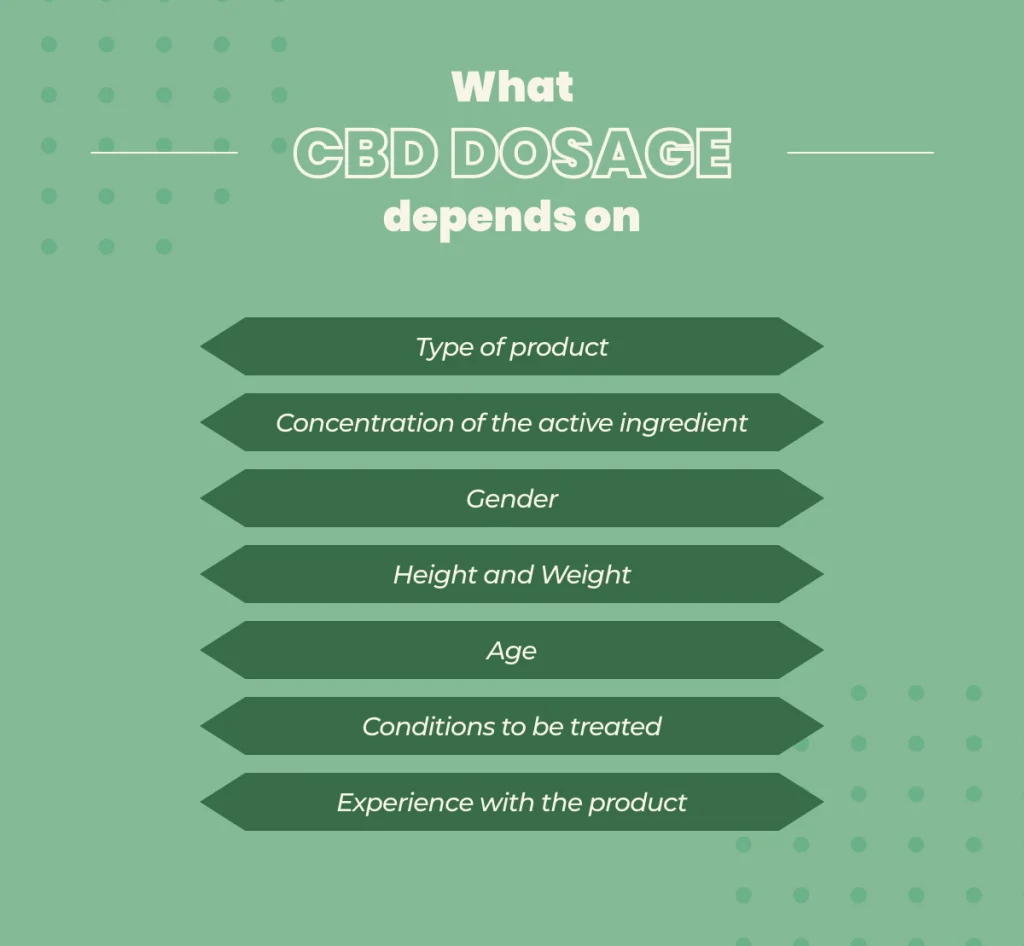
What does the CBD dosage depend on?
Everyone’s body reacts differently to cannabidiol. Some people experience the desired effects with just a few drops, while others prefer larger doses.
Factors that influence dosage
| Factors | How can it affect |
| Body weight | A larger body size may require higher amounts |
| Age | Metabolism tends to change as we age. |
| Individual sensitivity | Some people are more sensitive to CBD |
| Oil concentration | More concentrated oils require fewer drops |
| Frequency of use | Consistent use may influence individual response |
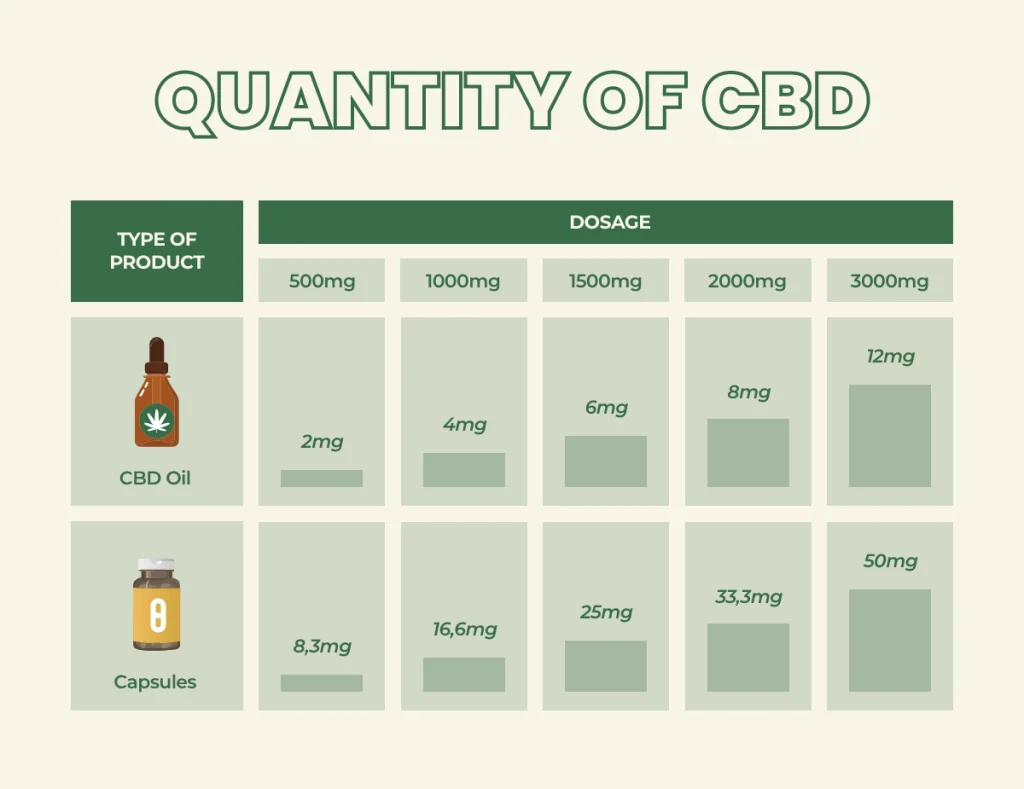
How much CBD does one drop contain?
The amount of CBD contained in a single drop of oil varies based on the concentration or percentage of the active ingredient in the product.
| CBD Oil concentration | CBD for drop |
| 5% | about 2 mg |
| 10% | about 4 mg |
| 15% | about 5 mg |
| 20% | about 6-7 mg |
| 25% | about 8-9 mg |
| 30% | about 10 mg |
*Indicative values based on a 10 ml bottle with approximately 200-250 drops.
How many drops should I take based on the concentration
To take approximately 10 mg of CBD
| Concentration | Approximate number of drops |
| 5% | 5 drops |
| 10% | 2-3 drops |
| 15% | 2 drops |
| 20% | 1-2 drops |
| 25% | 1 drops |
| 30% | 1 drops |
How to gradually increase your CBD dosage
A very common approach is to:
- start with a small amount;
- maintain the same dosage for a few days;
- observe your individual response;
- gradually increase if necessary.
This method makes it easier to find your personal balance.
-
Product on sale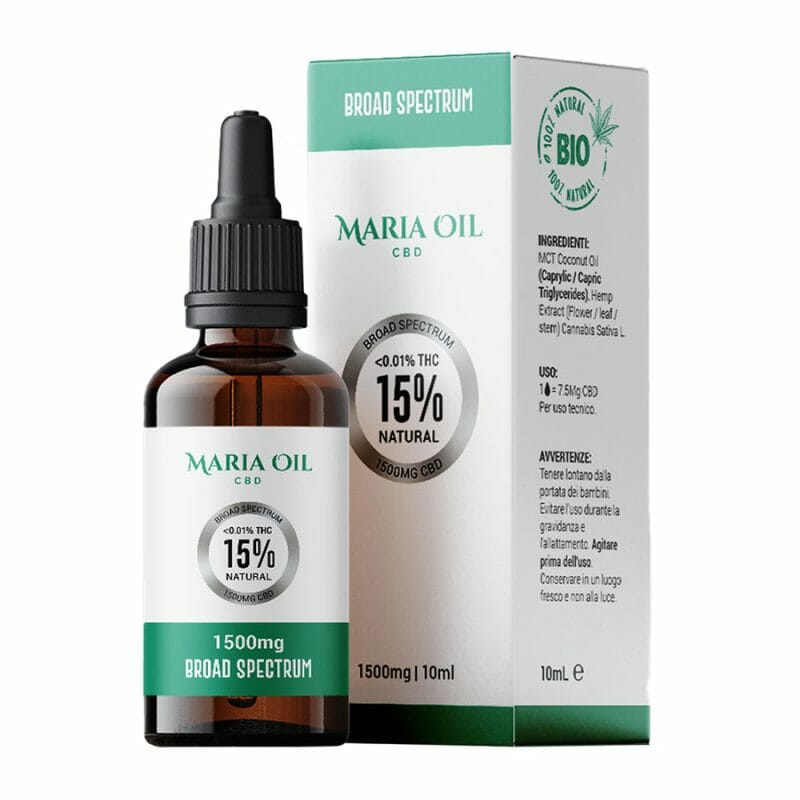 CBD oil 15% (1500mg) Broad SpectrumPrice range: £24.96 through £40.96From 24,96 €
 -
Product on sale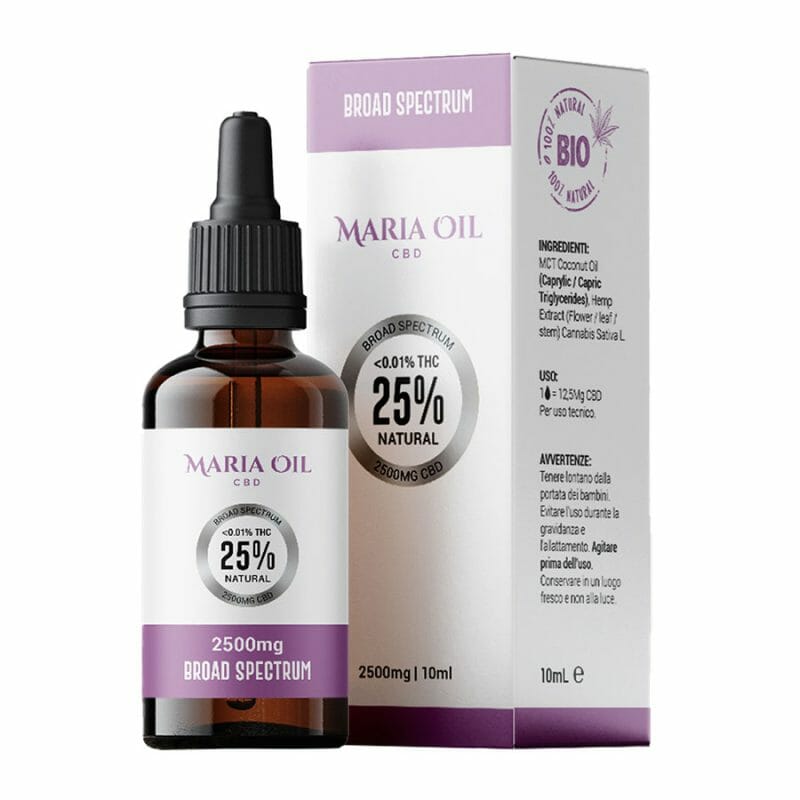 CBD oil 25% (2500mg) Broad SpectrumPrice range: £37.76 through £53.76From 37,76 €
 -
Product on sale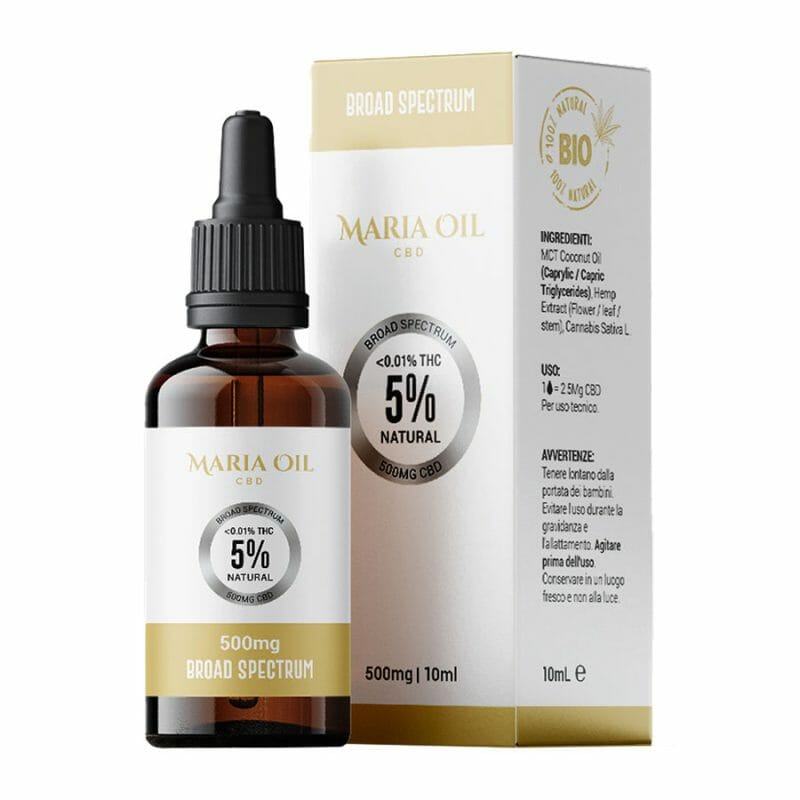 CBD oil 5% (500mg) Broad SpectrumPrice range: £11.40 through £26.40From 11,40 €
CBD dosage chart based on weight, age, and individual sensitivity
CBD dosage depends not only on the concentration of the oil chosen, but also on the characteristics of the person using it. Each body responds differently, so it’s helpful to start with a gradual and personalized assessment.
Among the most important factors to consider are:
- body weight, because it can influence the initial amount to use;
- age, because metabolism can change over time;
- individual sensitivity, which varies from person to person;
- CBD oil concentration, because a 30% oil requires fewer drops than a 5% oil;
- personal habits, such as frequency of use, time of day, and daily routine.
| Personal factor | How can CBD dosage affect your intake? | Practical advice |
| Body weight | A larger build may require a slightly higher amount than a smaller build. | Start with a few drops and gradually increase only if needed. |
| Age | As we age, our metabolism can slow down. | It is better to proceed with more gradual increases. |
| Individual sensitivity | Some people feel CBD even in low amounts. | Observe the body’s response in the first few days. |
| Oil concentration | The higher the percentage, the fewer drops are needed to achieve the same amount of CBD. | Always check the mg per drop indicated on the product. |
| Daily routine | Timing of use and consistency can influence the user experience. | Keep the same dosage for a few days before changing it. |
CBD dosage guide by body weight
| Body weight | Indicative initial dosage | Recommended approach |
| Up to 50 kg | 5-10 mg for day | Start from a low quantity |
| 50-70 kg | 10-15 mg for day | Increase gradually if necessary |
| 70-90 kg | 15-20 mg for day | Monitor individual response |
| Over 90 kg | 20-25 mg for day | Evaluate small, incremental increments |
These values are indicative and do not replace the advice of a doctor or healthcare professional.
CBD dosage chart for anxiety
One study analyzed the relationship between CBD and situations characterized by high emotional tension using a simulated public speaking test, a methodology commonly used in research to assess reactions to stress.
Participants were administered different doses of CBD (150 mg, 300 mg, and 600 mg) or a placebo.
The results showed differences in participants’ responses depending on the CBD dosage used for anxiety.
However, it is important to emphasize that these data come from specific research contexts and do not allow for the definition of a universal dosage. Response to CBD can vary based on individual factors such as body weight, metabolism, personal sensitivity, and method of use.
For this reason, those who choose to use CBD products often follow a gradual approach, starting with small doses and evaluating their experience over time.
In general, the recommended dosage to help better manage anxiety is:
| Concentration | Low dosage | Medium dosage | High dosage |
| 5% | 1-4 drops | 6-20 drops | oltre 20 drops |
| 10% | 1-2 drops | 3-10 drops | oltre 10 drops |
| 15% | 1 drops | 2-6 drops | oltre 6 drops |
| 20% | 1 drops | 2-5 drops | oltre 5 drops |
| 25% | – | 2-3 drops | oltre 3 drops |
| 30% | – | 1-2 drops | oltre 2 drops |
How many CBD drops to sleep?
Many people choose to use CBD as part of their evening routine, incorporating it into a moment dedicated to relaxation and personal well-being before bed.
However, it’s important to remember that CBD is not a sleep aid, and there is no universal dosage that works for everyone. The ideal amount can vary based on factors such as body weight, individual sensitivity, user experience, and the concentration of the chosen product.
For this reason, the most commonly used method is the “start low, go slow” approach, meaning starting with a small amount and gradually increasing it over time if necessary.
-
Product on sale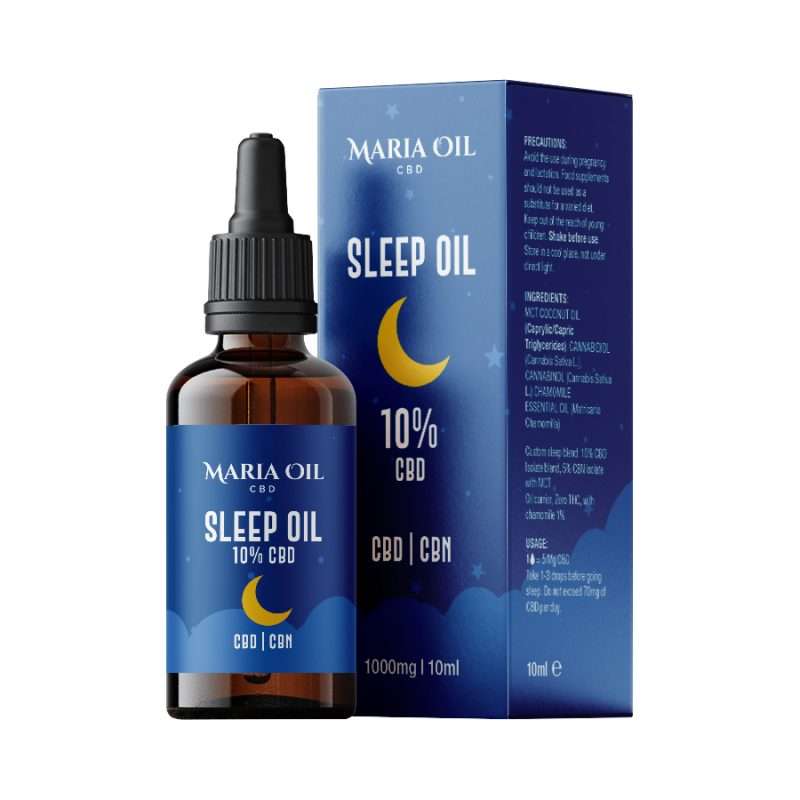 Sleep Oil – Sleep SolutionOriginal price was: £38.00.£23.00Current price is: £23.00.
Guideline table for evening use of CBD oil
| CBD oil concentration | Indicative initial quantity | Indicative intermediate quantity | High indicative quantity |
| 5% | 2-4 drops | 5-8 drops | 9-12 drops |
| 10% | 1-2 drops | 3-4 drops | 5-6 drops |
| 15% | 1 drops | 2-3 drops | 4-5 drops |
| 20% | 1 drops | 2 drops | 3-4 drops |
| 25% | 1 drops | 1-2 drops | 2-3 drops |
| 30% | 1 drops | 1-2 drops | 2 drops |
Note: The values shown are purely indicative and do not constitute medical advice. Response to CBD may vary from person to person. If you have any medications, medical conditions, or specific concerns, it is advisable to consult a healthcare professional before use.
In general, many people prefer to take CBD about 30-60 minutes before bed, integrating it into their evening routine along with other wellness-oriented habits, such as limiting screen time, maintaining regular hours, and creating a relaxing environment.
How much CBD for pain?
Many people choose to use CBD as part of their daily wellness routine, such as after exercise, during particularly demanding periods, or to promote a general feeling of balance and relaxation.
Again, there is no one-size-fits-all CBD percentage or dosage. The ideal amount can vary based on factors such as body weight, individual sensitivity, product concentration, and frequency of use.
Research on CBD is still evolving and has used widely varying dosages, making it difficult to identify a universal amount suitable for every person. For this reason, a gradual approach is generally recommended, starting with low doses and gradually increasing only if necessary.
| CBD oil concentration | Mild pain (occasional muscle or joint pain) | Moderate pain (inflammation, recurring pain) | Severe or chronic pain (neuropathic, fibromyalgia, osteoarthritis, etc.) |
| 5% | 4–8 drops | 10–15 drops | 18–25 drops |
| 10% | 2–4 drops | 6–10 drops | 12–15 drops |
| 15% | 1–3 drops | 4–6 drops | 8–10 drops |
| 20% | 1–2 drops | 3–5 drops | 6–8 drops |
| 25% | 1-2 drops | 2-4 drops | 5-6 drops |
| 30% | 1 drop | 2-3 drops | 4-5 drops |
CBD in the diet
CBD interacts with the endocannabinoid system, a network of receptors and biological signals involved in numerous bodily processes. Scientific research is still investigating the role of this system in functions such as internal balance, stress response, sleep, appetite, and metabolism.
In recent years, some preclinical studies have explored the possible relationship between CBD and metabolism, but the available evidence is not yet sufficient to draw definitive conclusions on the effects of cannabidiol on body weight or appetite control in humans.
For this reason, CBD should not be considered a weight-loss product, nor a substitute for a balanced diet or a healthy lifestyle.
However, many people choose to include CBD in their daily wellness routine, along with habits such as:
- a balanced diet;
- regular physical activity;
- adequate sleep;
- stress management;
- care for one’s psychophysical balance.
Research on the endocannabinoid system continues to evolve and may provide new insights in the coming years, but for now, it’s important to maintain realistic expectations and rely solely on available scientific evidence.
Which products to choose?
Thanks to the growing interest and popularity of CBD, there are now so many CBD product manufacturers out there that it’s become difficult to choose and determine which ones are reliable.
At Maria CBD Oil, you’ll find certified products carefully selected to ensure quality, transparency, and safety, from 5% to 30% CBD oil.
Below, we’ve listed the products our customers have liked the most and, thanks to their kind feedback, we can recommend for the following conditions.
CBD for anxiety
CBD for better sleep
CBD for pain
CBD for diet
Does CBD have side effects?
CBD is generally considered well-tolerated by most healthy adults when used according to the manufacturer’s directions. However, like any active substance, it can cause side effects in some people, especially at high doses or with specific individual sensitivities.
Possible side effects of CBD
Among the most frequently reported effects in the literature are:
- drowsiness or tiredness;
- dry mouth;
- gastrointestinal disturbances;
- nausea;
- changes in appetite;
- dizziness or mild lightheadedness.
In most cases, these effects are temporary and tend to decrease with dose reduction or discontinuation of use.
CBD and drug interactions
One of the most important aspects to consider is the potential interactions between CBD and certain medications. Cannabidiol can affect the way the body metabolizes certain active ingredients.
For this reason, if you are taking:
- prescribed medications;
- anticoagulants;
- blood pressure medications;
- antidepressants;
- anxiolytics;
- anticonvulsants;
It is advisable to consult a healthcare professional before using CBD products.
How to reduce the risk of side effects
To use CBD more consciously, you can follow a few simple rules:
- Start with low doses;
- Gradually increase the dose only if necessary;
- Choose certified products with laboratory tests available;
- Follow the instructions on the label;
- Consult a doctor if you are taking any medications or have any particular health conditions.
In general, the most prudent approach is to gradually find your ideal CBD dosage, without exceeding the recommended dose and always monitoring your body’s individual response.
What research says about CBD
Scientific research on CBD has grown rapidly in recent years, with numerous studies examining the safety, tolerability, and potential applications of cannabidiol. However, many areas remain under investigation, and definitive conclusions are lacking for most of the most common uses.
A systematic review published in 2024 in the journal Pharmaceutics analyzed the available clinical and preclinical evidence on CBD, highlighting promising results in several research areas but also emphasizing the need for larger, more standardized clinical trials to confirm the available data.
Safety also continues to be monitored. An update published in 2023 concluded that CBD is generally well tolerated in most subjects studied, while recommending particular attention to possible interactions with certain medications and the need for further data on long-term effects.
Regarding anxiety and emotional well-being, a meta-analysis published in 2024 observed encouraging results in some clinical trials. The authors themselves, however, emphasize that the number of participants analyzed is still limited and that further research is needed before definitive recommendations can be made.
Overall, the most recent scientific literature suggests that CBD represents a very active and promising area of research. At the same time, experts agree that further high-quality clinical studies are needed to better understand the dosages, long-term safety, and effective applications of cannabidiol in different populations.
Find the CBD product that’s right for you
At this point, you have all the information you need to guide your CBD dosage.
Since every person is different, there is no one-size-fits-all amount. The best approach is to start with a low dosage and observe your body’s response over a few days, gradually and responsibly increasing the dose if necessary.
If you have any concerns, are taking medications, or have specific health conditions, it’s always a good idea to consult your doctor or healthcare professional before using CBD products.
At the Maria CBD Oil CBD Shop, you can find a wide selection of certified products, available in different concentrations and formulations, designed to suit each individual’s needs and preferences.
Explore the CBD Shop and choose the product best suited to your daily wellness journey.
FAQ
Those new to CBD should start with a low dose, generally 5-10 mg per day, preferably taken in the evening. Some specialist sources suggest the “start low, go slow” method: maintain the dose for 5-7 days and gradually increase it by 5 mg if no effects are observed. Individual parameters—weight, metabolism, sensitivity—influence response, so the optimal dosage varies from person to person.
A common guideline in the literature is 1-6 mg of CBD per 10 kg of body weight per day, depending on the desired intensity of use. For a 70 kg person, this represents a guideline range between 7 and 42 mg/day. This calculation is a starting estimate: studies such as the one published in Current Drug Safety (2011) indicate that individual tolerance varies significantly and that there is no universally validated dose.
The number of drops depends on the oil’s concentration. A 5% CBD oil contains approximately 2.5 mg of CBD per drop (in a 10 ml bottle with a standard 0.05 ml dropper): about 4 drops are needed to reach 10 mg. A 10% oil contains approximately 5 mg per drop: 2 drops are enough. Before calculating the dose, check the concentration stated on the product label.
Yes, the route of administration affects bioavailability. Sublingual oil has an estimated bioavailability of 13% to 19%, according to a 2018 review in Frontiers in Pharmacology: the effect is faster (15–45 minutes). Capsules pass through the digestive system and have lower bioavailability (6–15%), with a slower (60–90 minutes) but longer-lasting effect. Topical products act locally and do not produce detectable systemic effects, so they are not comparable in terms of systemic dosage.
CBD is metabolized by cytochrome P450 (CYP3A4 and CYP2C19), the same enzyme system involved in the metabolism of many drugs—including anticoagulants, antiepileptics, and benzodiazepines. This interaction may alter plasma levels of both substances. Those taking prescription medications should consult their doctor before starting CBD supplementation, regardless of the dose. This is not an absolute contraindication, but rather clinically relevant information.