Contact us





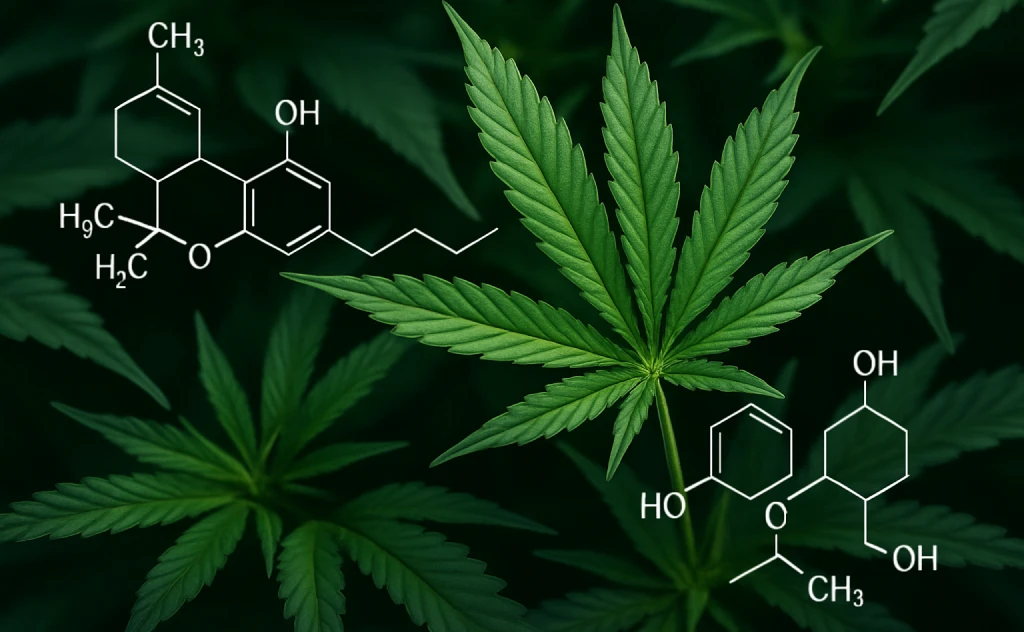
You’ve probably never heard of them, but alkaloids form the basis of over 60% of plant-based medications used daily by millions of people.
Cannabis has always been at the center of many debates with conflicting opinions, as it is a complex plant, rich in active compounds with surprising and still partly unexplored properties.
Among these, in addition to the well-known cannabinoids like THC and CBD, there are lesser-known but equally interesting substances: cannabis alkaloids. Their role is still being researched, but initial studies suggest potential biological effects that deserve attention.
What are alkaloids?
Alkaloids are an extremely broad class of organic compounds characterized by the presence of at least one nitrogen atom in their structure, generally inserted in a heterocyclic ring. This configuration gives them basic (i.e., alkaline) properties and considerable chemical reactivity, which often results in marked biological effects in humans and other organisms.
Alkaloids are products of secondary plant metabolism, that is, processes not essential for immediate growth but crucial for the defense, reproduction, and survival of the plant itself. They are not found only in plants: fungi, bacteria, and animals can also produce alkaloids, as demonstrated by the psychedelic effects of some psilocybin-containing mushrooms.
The link between metabolites and alkaloids
Metabolites are chemical compounds produced by living organisms during metabolic processes. They are divided into two main categories:
- Primary metabolites, essential for the growth and development of the organism.
- Secondary metabolites, which, while not directly involved in life processes, play crucial roles in the survival and adaptation of the organism to the environment.
Alkaloids are among the most studied and well-known secondary metabolites. They are organic nitrogenous compounds, often with complex structures, which plants produce primarily as a defense mechanism against herbivores, insects, and pathogens.
These compounds, while not essential for immediate growth, offer significant evolutionary advantages, such as protection against predators and disease. Furthermore, many alkaloids have found applications in the medical and pharmacological fields, thanks to their biological and therapeutic properties.
True alkaloids and protoalkaloids: what’s the difference?
| Characteristic | True alkaloids | Protoalkaloids |
| Chemical family | Nitrogen compounds | Nitrogen compounds |
| Origin | They derive from amino acids | They derive from amino acids |
| Nitrogen position | Nitrogen inside a heterocyclic ring | Nitrogen outside the main ring |
| Chemical structure | More complex and heterocyclic | Simpler, not fully heterocyclic |
| Biological activity | Often very marked | Generally more moderate |
| Pharmacological implications | High pharmacological activity | Variable pharmacological activity |
| Examples | Morphine, nicotine, quinine | Mescaline, adrenaline |
The function of alkaloids produced by cannabis
The alkaloids produced by cannabis, although present in minimal quantities compared to cannabinoids, appear to play important roles in the physiology and ecology of the plant.
As in many other plant species, these compounds are part of the secondary metabolism of Cannabis sativa and contribute to the survival and adaptation of the plant organism.
Although still little studied, it is possible to hypothesize that cannabis alkaloids participate in several strategic biological functions, including:
- Defense against biological threats
- Allelopathy
- Adaptation to the environment
- Support for reproduction
- Conservation of nutrients
- Intercellular communication
- Antimicrobial role in the root microbiome
Cannabis alkaloids are an integral part of the biochemical balance of the plant, and many researchers and scientists believe they deserve greater attention in botanical and pharmacological research.
-
Product on sale Amnesia Haze – GreenhousePrice range: £2.98 through £252.88From 0,64 €/gr
 -
Product on sale Honey CheesePrice range: £2.98 through £216.75From 2,17 €/gr
 -
Product on saleLemon HazePrice range: £2.45 through £270.00From 0,88 €/gr -
Product on saleWhite WidowPrice range: £2.98 through £245.65From 0,64 €/gr
Cannabinoids, terpenes and flavonoids
Although cannabis contains numerous chemical compounds, cannabinoids, terpenes, and flavonoids are undoubtedly the main focus of scientific research and medicinal applications. These three groups of compounds play a fundamental role in determining the plant’s effects on the human body and are much more studied than cannabis alkaloids, which, despite being present, have not received the same attention.
Cannabinoids
Cannabinoids are probably the most well-known and studied compounds in cannabis, thanks to their ability to interact with the human endocannabinoid system (ECS).
This system is directly influenced by cannabinoids and regulates numerous physiological processes such as:
- sleep
- pain
- mood
- inflammation
The two most studied and well-known are THC (tetrahydrocannabinol) and CBD (cannabidiol), but there are many others, such as CBN (cannabinol) and CBC (cannabichromene).
If you don’t know what THC and CBD are, you should know that they are the real stars of cannabis pharmacological research, as they offer a broad spectrum of therapeutic applications.
For example, CBD has been studied for the treatment of:
- epilepsy
- anxiety
- chronic pain
- inflammation
While THC, the main culprit in the psychoactive effects, is used therapeutically to relieve cancer pain, nausea, and other symptoms related to serious illnesses.
Terpenes
Terpene are natural aromatic compounds that give cannabis its distinctive odor and flavor. But terpenes aren’t just responsible for the plant’s fragrance; they also play a significant role in cannabis’s therapeutic effects, such as:
- Mood enhancement
- Anti-inflammatory action
- Stress reduction
- Enhancement of the effects of cannabinoids
Some well-known terpenes in cannabis include:
- Limonene, which has an antidepressant and anti-stress effect.
- Pinene, which is known for its anti-inflammatory and memory-supporting properties.
- Linalool, which has a calming and sedative effect, useful for anxiety.
Terpenes not only contribute to the sensory experience of cannabis, but also appear to enhance the effectiveness of cannabinoids through the entourage effect, a phenomenon in which all the plant’s compounds work synergistically to enhance the therapeutic benefits.
Flavonoids
Flavonoids, present in smaller quantities in cannabis, are a class of plant compounds known for their properties:
- Antioxidant
- Anti-inflammatory
- Protective.
Some flavonoids, such as canflavin A, have shown promising anti-inflammatory properties and may be useful in the treatment of conditions such as arthritis and neurodegenerative diseases. Furthermore, flavonoids appear to interact positively with cannabinoids and terpenes, creating a synergy that enhances the overall therapeutic effect of cannabis.
Why are cannabinoids, terpenes, and flavonoids more studied than alkaloids?
Although cannabis alkaloids are interesting compounds and have demonstrated some biological properties, cannabinoids, terpenes, and flavonoids have become the real focus of research for several reasons:
- Direct interaction with the endocannabinoid system
- Proven therapeutic efficacy
- Synergy of effects
- Predominant presence in cannabis
The potential benefits of cannabis alkaloids
In addition to the more well-known cannabinoids, cannabis also produces small amounts of alkaloids, nitrogenous compounds that may have positive effects on human well-being. Although research is still in its infancy, some hypothesized benefits include:
- Pain modulation
- Anti-inflammatory effect
- Mood enhancement
- Antioxidant action
These effects, if confirmed by scientific research, could open new avenues for the therapeutic use of cannabis alkaloids, which are still largely unexplored.
Cannabis Alkaloids and Alzheimer’s
A study published in PubMed explored the potential of cannabis alkaloids, natural compounds also found in many other plants, as potential therapeutic agents against Alzheimer’s disease.
Scientists have identified several mechanisms through which these compounds could help slow or reverse the brain damage typical of the disease:
- Memory support
- Antioxidant action
- Anti-inflammatory effects
- Interference with toxic plaques
The researchers emphasize that, while further investigation is needed, alkaloids could offer a promising basis for the development of new natural and targeted treatments.
-
Product on saleAk47Price range: £2.98 through £195.08From 0,64 €/gr -
Product on saleAmnesia Haze – GreenhousePrice range: £2.98 through £252.88From 0,64 €/gr -
Product on sale Candy KushPrice range: £2.98 through £252.88From 0,64 €/gr
 -
Product on sale Purple HazePrice range: £2.98 through £252.88From 2,53 €/gr
Other plants that produce alkaloids
There are some plant species (and others) that produce alkaloids known for their stimulant, analgesic, psychotropic, or therapeutic properties:
- Coffee: One of the best-known sources of alkaloids thanks to caffeine, a stimulant that acts on the central nervous system.
- Tobacco: Produces nicotine, a powerful psychoactive alkaloid that acts as a stimulant and is addictive.
- Opium poppy: Known for producing several opiate alkaloids, including morphine and codeine, used medicinally for their pain-relieving properties.
- Psilocybe mushrooms: They contain psilocybin, a psychedelic alkaloid capable of altering perception, thought, and mood.
- Cinchona: A plant native to South America, it produces quinine, an alkaloid historically used in the treatment of malaria.
- Rauwolfia: A traditional Asian medicinal plant that produces reserpine, an alkaloid used for years to treat hypertension and psychiatric disorders.
The future of cannabis alkaloids in research
Research on cannabis alkaloids is still in its early stages, but the future prospects are promising. Although cannabinoids such as THC and CBD have dominated studies, the alkaloids present in the plant could prove to be compounds with enormous therapeutic potential.
In this context, regulatory and scientific developments observed in some European countries could open up new avenues for research. A frequently cited example is cannabis in Germany, where recent legislative changes have created a more favorable environment for cannabis research overall.
Exploring these compounds could lead to new discoveries, particularly for treatments related to pain management, chronic inflammation, and mental well-being. Furthermore, their antioxidant action could prove to be an important ally in preventing cellular damage and combating premature aging.
Conclusion
While research on cannabis alkaloids is just beginning to reveal its enormous therapeutic potential, those seeking natural support for daily well-being can already benefit from the benefits of CBD.
Among the most highly regarded products for its quality and purity, Maria CBD Oil is an excellent choice. Thanks to its 100% natural formula, this oil is ideal for those looking to relieve stress, improve sleep, manage inflammation, or promote relaxation without the psychoactive effects of THC.
With reliable sourcing and safe extraction processes, Maria CBD Oil is a perfect choice for those looking to integrate CBD into their daily routine, benefiting from its calming and therapeutic properties in a simple and natural way.
FAQ
Yes, some scientific research suggests that cannabis does contain traces of alkaloids, but in extremely small quantities. These levels are so low that they are considered irrelevant compared to the plant’s main effects.
The available evidence indicates no, or at least only marginally. Studies published in scientific journals such as Phytochemistry have detected the presence of alkaloids in some cannabis strains, but in concentrations too low to significantly impact psychoactive or therapeutic effects.
The main contributors to cannabis’s effects are cannabinoids, such as THC and CBD, along with terpenes. These compounds represent the heart of the plant’s biological activity, both therapeutically and, where permitted, psychoactively.