Contact us





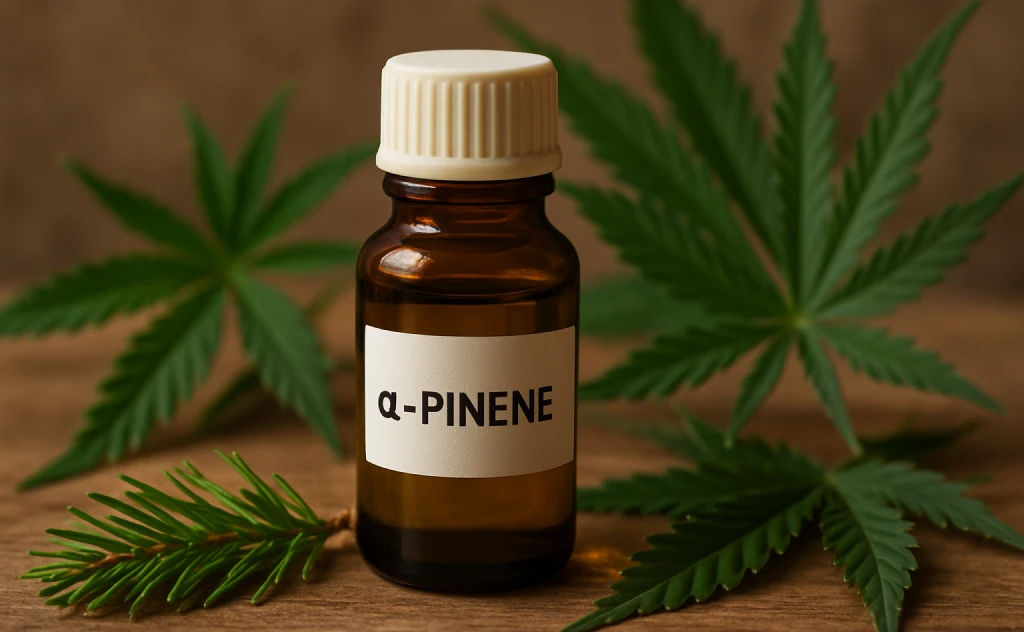
You know that feeling of fresh, resinous air you get when walking through a pine forest?
That balsamic, green scent, often associated with nature and woodland environments, is linked to the presence of alpha-pinene, one of the most common terpenes in nature.
Alpha-pinene is best known for its aromatic profile, but in recent years it has also attracted scientific attention for its role in the complex biological mechanisms studied in terpenes. This interest makes it a frequently cited molecule when discussing aromatic plants, terpenes, and cannabis.
In this article, we delve into what alpha-pinene is, where it is found, and why it is often mentioned in connection with the terpene profile and the so-called entourage effect.
-
Product on sale Amnesia Haze – GreenhousePrice range: £2.98 through £252.88From 0,64 €/gr
 -
Product on sale Honey CheesePrice range: £2.98 through £216.75From 2,17 €/gr
 -
Product on saleLemon HazePrice range: £2.45 through £270.00From 0,88 €/gr -
Product on saleWhite WidowPrice range: £2.98 through £245.65From 0,64 €/gr
What is alpha-pinene?
Alpha-pinene is a bicyclic monoterpene, a natural aromatic compound belonging to the terpene family. Chemically, it has the formula C₁₀H₁₆ and is one of the most abundant terpenes in nature.
It is found primarily in the resins of conifers, particularly pines, but is also present in numerous aromatic plants such as rosemary, basil, sage, and eucalyptus. From these sources, it is often extracted as an essential oil.
Alpha-pinene exists in two enantiomeric forms, called (+)-α-pinene and (−)-α-pinene, which have the same chemical composition but a different spatial arrangement of the atoms. This difference can influence the perceived aromatic profile and the behavior of the compound in study settings.
Its aroma is generally described as fresh, resinous, and balsamic, characteristics reminiscent of natural and woodland environments.
Why alpha-pinene is being studied
Interest in alpha-pinene isn’t limited to its scent. Scientifically, this terpene is being explored for its potential involvement in various biological processes, as is the case with many other terpenes found in the plant world.
Research explores alpha-pinene in relation to:
- biological signaling systems
- interactions with the nervous system
- dynamics related to inflammation and oxidative stress
These aspects do not represent therapeutic applications, but rather areas of study useful for better understanding the role of terpenes in overall well-being.
Alpha-pinene: main research areas
The scientific literature examines alpha-pinene in relation to various physiological processes, including:
Modulation of inflammatory processes
Alpha-pinene is being studied for its possible role in the mechanisms that regulate the body’s inflammatory response.
Cognitive functions and attention
Some research examines alpha-pinene in relation to the neurochemical systems involved in attention and vigilance, without implying direct effects or cognitive improvements.
Central nervous system
In the preclinical setting, alpha-pinene is observed for its behavior in models that study nervous system function.
Respiratory system
Research also examines alpha-pinene for its role in processes involving the respiratory tract, particularly in relation to its aroma and olfactory perception.
Antimicrobial and antioxidant activity
Some laboratory studies analyze alpha-pinene for its interaction with microorganisms and free radicals, as occurs with many plant compounds.
Alpha-pinene and the entourage effect
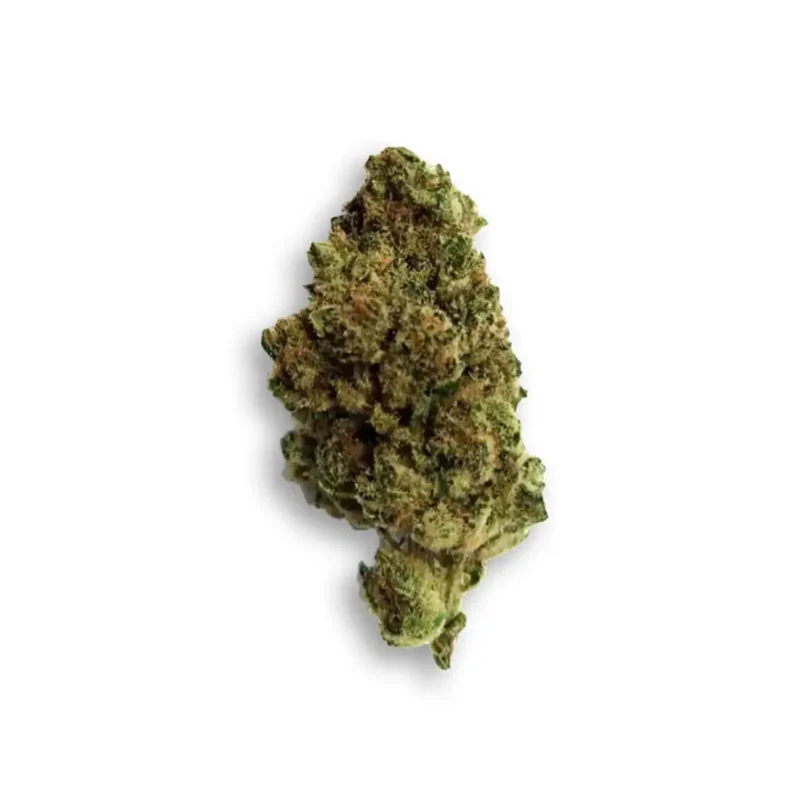
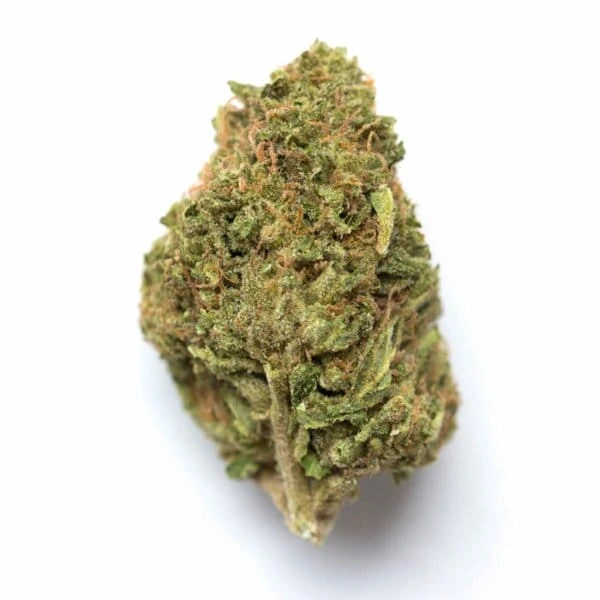
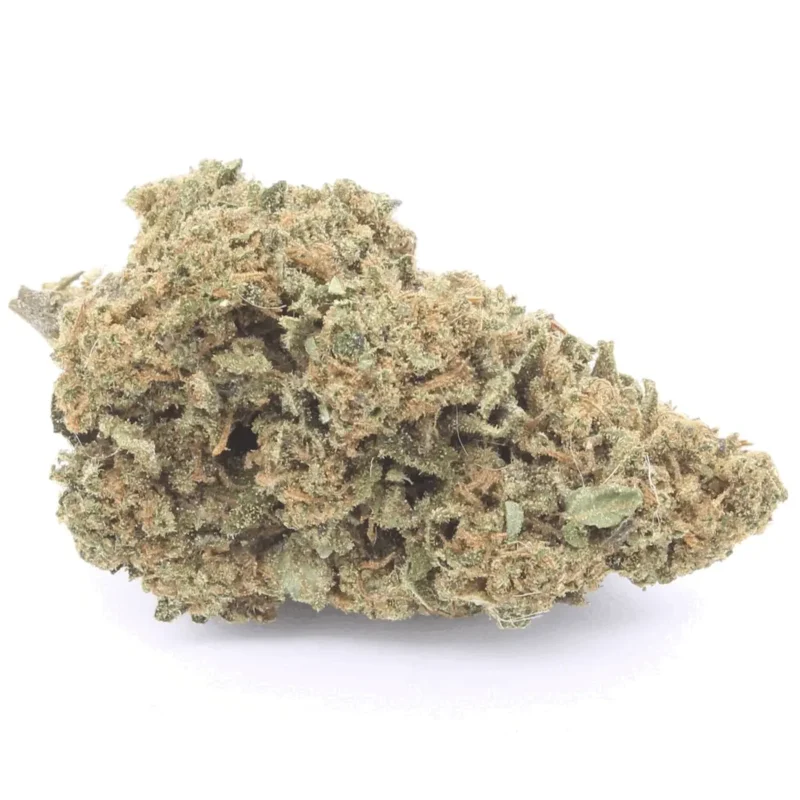
In the context of cannabis, alpha-pinene is often cited in connection with the so-called entourage effect, a term used to describe the potential synergy between cannabinoids, terpenes, and other natural compounds present in the plant.
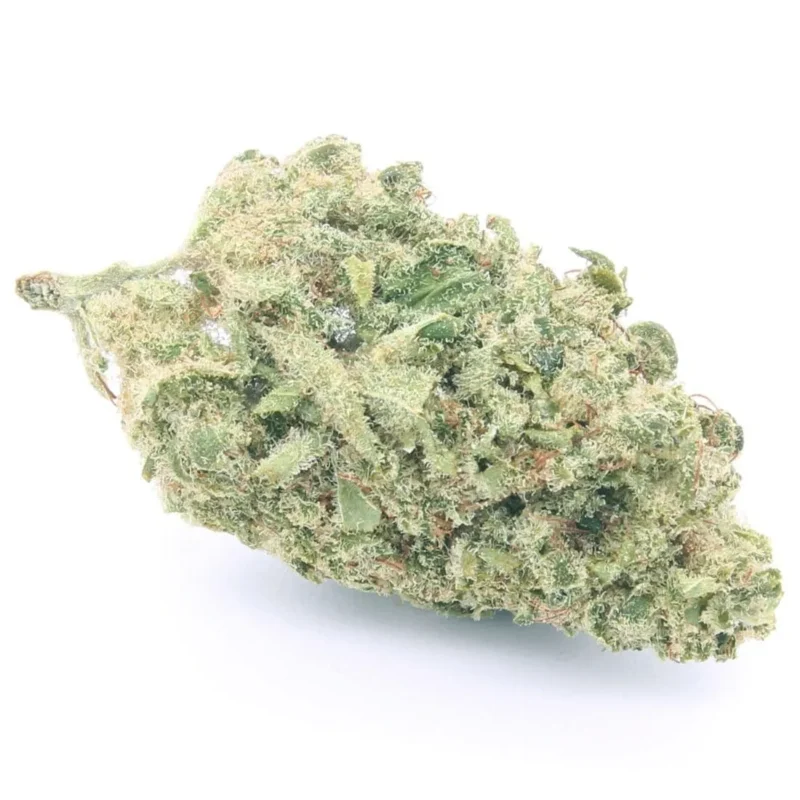
Within cannabis’s terpene profiles, alpha-pinene primarily contributes to the fresh, resinous aroma of some strains. Research analyzes its role as a component of the overall profile, without attributing specific or isolated effects to it.
-
Product on saleAmnesia Haze – GreenhousePrice range: £2.98 through £252.88From 0,64 €/gr -
Product on saleHoney CheesePrice range: £2.98 through £216.75From 2,17 €/gr -
Product on saleLemon HazePrice range: £2.45 through £270.00From 0,88 €/gr -
Product on saleWhite WidowPrice range: £2.98 through £245.65From 0,64 €/gr
Where is alpha-pinene found?
Alpha-pinene is widespread in the plant world. Among the main natural sources are:
- Pine and other conifers
- Rosemary
- Basil
- Eucalyptus
- Mint
- Sage
- Cannabis
It is particularly concentrated in the essential oils extracted from these plants, used in aromatics and for educational purposes.
Alpha-pinene and aromatherapy
In aromatherapy, essential oils rich in alpha-pinene are used primarily for their olfactory profile and the sensory experience they evoke. Its aroma is often described as stimulating and fresh, associated with feelings of contact with nature.
Safety and tolerability
Alpha-pinene is generally considered well-tolerated, especially when present in low natural concentrations. Adverse reactions are rare and usually related to individual hypersensitivity, particularly when using concentrated essential oils.
Moderate and informed use further reduces the possibility of adverse effects.
Conclusion
Alpha-pinene is one of the most widespread and recognizable terpenes in nature, known for its fresh, balsamic aromatic profile. Its presence in numerous plants and cannabis makes it a central element in the study of terpene profiles and the entourage effect.
Understanding alpha-pinene means gaining a broader view of the world of terpenes, where aroma, chemistry, and scientific research intertwine in a context still under exploration.
Visit Maria CBD Oil’s CBD Shop to discover all their CBD products!