Contact us






Since ancient times, humans have cultivated the land using traditional methods, which for centuries were the only available means of agricultural production.
However, the availability of fertile soil, adequate space, and favorable climatic conditions is not always guaranteed. From these needs, hydroponic cultivation was born, a soil-less technique that uses water enriched with nutrient solutions instead of soil, allowing plants to grow in controlled environments.
In recent years, hydroponics has become a central theme in the debate on innovative agriculture, finding application in:
- technological greenhouses
- vertical farming systems
- crops that require consistent quality standards and traceability
In the case of crops subject to specific regulations, such as industrial hemp or other regulated varieties, it is necessary to carefully check the requirements, authorizations, and limits set by local law before starting any production activity.
What “hydroponics” means (and why it’s not just “water”)
The word hydroponics combines two Greek roots: hydro (water) and ponos (work). In practice, it refers to a cultivation system in which roots do not depend on soil for nourishment. Instead of soil, an aqueous solution is used to transport the nutrients needed for growth.
This, however, doesn’t mean “putting a plant in a bucket of water and hoping for the best.” Hydroponics, when done well, is a balance between:
- water and nutrient availability
- root oxygenation
- environmental stability (light, temperature, humidity),
- system hygiene (to avoid imbalances and contamination).
Oxygen itself is one of the most delicate aspects: the roots need to breathe. If oxygenation is inadequate, the plant slows down, becomes stressed, and becomes more vulnerable.
Soilless cultivation: substrates and the role of roots
Many hydroponic systems don’t “leave the plant suspended in a vacuum,” but use inert substrates that replace the mechanical function of the soil:
- support
- drainage
- moisture management
Among the substrates most cited in popular literature are, for example:
- rock wool
- expanded clay
- perlite
- vermiculite
- coco fiber
They have different characteristics in terms of water retention, aeration, and stability. The common point is this: they are not the primary source of nutrients, because the nutrients come from the solution.
A bit of history: from ancient times to modern systems
The idea of cultivating crops using water is not new. Historical reconstructions often cite “proto-hydroponic” examples such as the Hanging Gardens of Babylon (traditionally dated around the 6th century BCE), where water management was essential to maintaining lush vegetation in a challenging environment.
The Aztecs are also often remembered for their chinampas, lakeside gardens that exploited water and sediment as resources, and in Asia there are traces of cultivation in water-rich environments (such as rice paddies and floating systems).
The leap toward “scientific” hydroponics came in the 19th century, with the experimental studies of botanists such as Julius von Sachs on the mineral nutrition of plants.
In the 20th century, research accelerated, and modern hydroponics consolidated thanks to greenhouse experiments and the evolution of environmental control systems.
Subsequently, the interest of organizations such as NASA in cultivation in extreme environments has helped make the topic even more strategic for the future.
Hydroponic systems: active and passive
In popular science, a distinction is often made between active and passive hydroponics. The main difference concerns how the nutrient solution reaches the roots:
- Active systems: These use components that move or distribute the solution (typically with dedicated mechanisms). They offer more control and precision, but require greater attention, maintenance, and often a higher initial investment.
- Passive systems: These rely on physical phenomena such as capillary action and gravity to deliver water and nutrients to the roots. They are simpler, but can be less uniform in distribution.
In both cases, the concept remains the same: the plant receives what it needs not from the soil, but from a solution designed to be available and assimilable.
Why hydroponics is considered “advantageous”
The reasons why hydroponics is so popular are not mysterious. In general, the most discussed benefits include:
Control of the growth environment
One of the strong points of hydroponics is standardization: when grown in controlled environments, many external variables are reduced. This can translate into greater crop uniformity and more predictable production management.
More efficient use of resources
In various contexts, hydroponics is associated with more efficient water management, especially when the systems are designed to limit waste and dispersions.
Reduction of some critical issues related to the soil
Growing without soil can reduce exposure to certain typical soil problems (for example some pathogens or infestations linked to the natural substrate). It does not mean “zero risk”, but it changes the nature of the problems: instead of the soil, cleanliness, balance of the solution and prevention become central.
Space and design
Many modern systems aim to optimize the surface, sometimes even vertically. This makes hydroponics interesting in urban contexts or where space is a constraint.
Costs and complexity: the other side of the coin
Hydroponics isn’t always the best choice. It often requires:
- initial investment (equipment, environmental control, monitoring)
- technical expertise (parameter management, prevention of imbalances)
- constant maintenance (hygiene, checks, replacements)
In other words: it can offer excellent results, but tends to reward those who plan well and manage consistently.
Hydroponics and “legal” weed: what you need to know
When it comes to industrial hemp or legal weed, the key aspect isn’t just the cultivation technique used, but above all compliance with the current regulatory framework.
Elements such as authorized varieties, THC limits, traceability requirements, documentation, and authorizations are the essential foundation of any business.
Since legislation can change over time and differ between countries or regions, it’s essential to always check the latest provisions before starting a production project. Compliance with regulations takes priority over the choice of agronomic method.
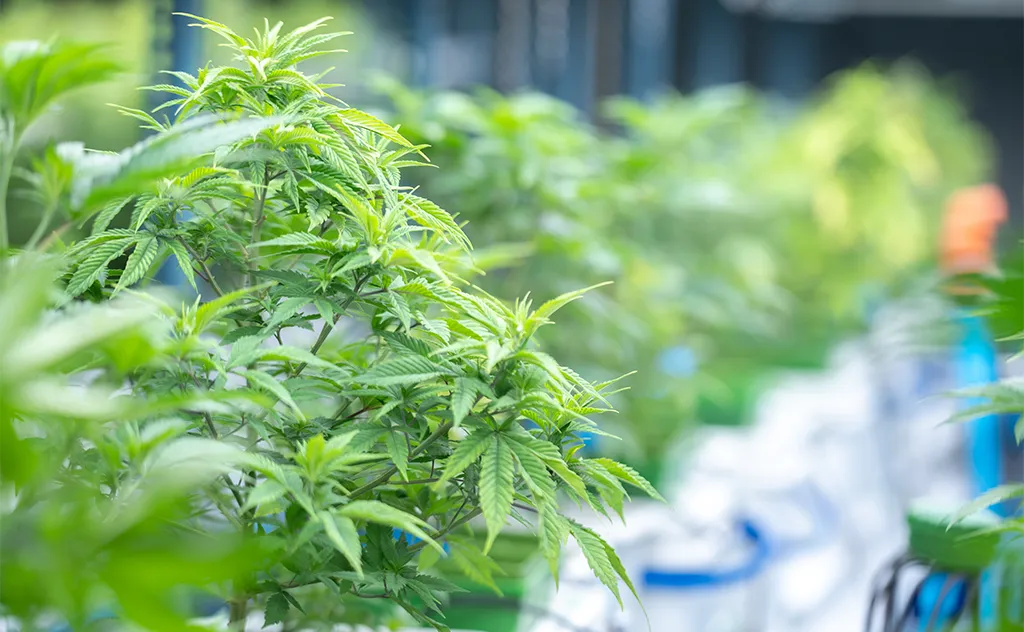
In general, hydroponic cultivation is sometimes associated with hemp due to the possibility of more precisely controlling parameters such as:
- nutrients
- cannabis pH
- humidity
- growing environment
And knowing how to grow cannabis correctly ensures uniformity and consistent quality standards. However, the adoption of this technique must be evaluated in light of technical feasibility, costs, and, above all, compliance with applicable regulations.
Any initiative in the sector should therefore begin with a thorough legal and agronomic analysis, avoiding improvisation and relying on competent professionals.
Is hydroponics really the future?
Hydroponics isn’t a passing fad: it’s a concrete response to real constraints (space, climate, quality, production continuity). It’s also an approach that requires method, precision, and a “process control” mindset rather than a “traditional garden” mindset.
If the goal is to understand what hydroponics is, how it evolved, and why it’s now considered a modern solution for various crops, then the answer is clear: it’s a soil-less system that, when well-managed, can offer uniformity and efficiency.
If, on the other hand, the goal is to start a grow, it’s essential to do so in compliance with the rules and with the right skills, because hydroponics doesn’t allow for improvisation.
Visit our online shop, explore our vast collection of products, and get ready to discover everything that legal cannabis has to offer.
-
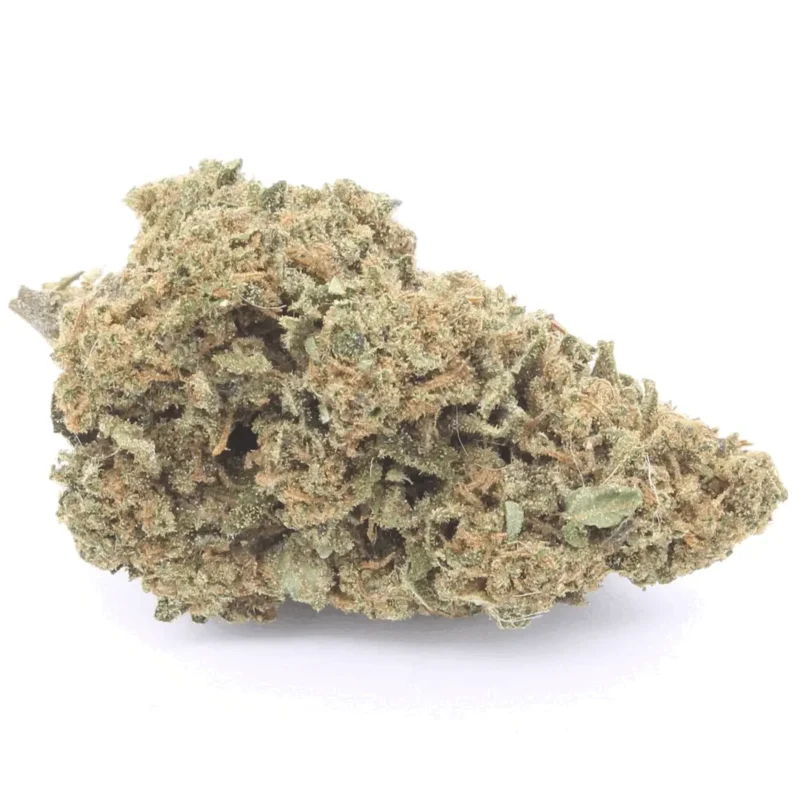
Product on sale Ak47Price range: £2.98 through £195.08From 0,64 €/gr
 -
Product on saleAmnesia – CBD Cannabis TrimPrice range: £11.18 through £36.55From 0,35 €/gr -
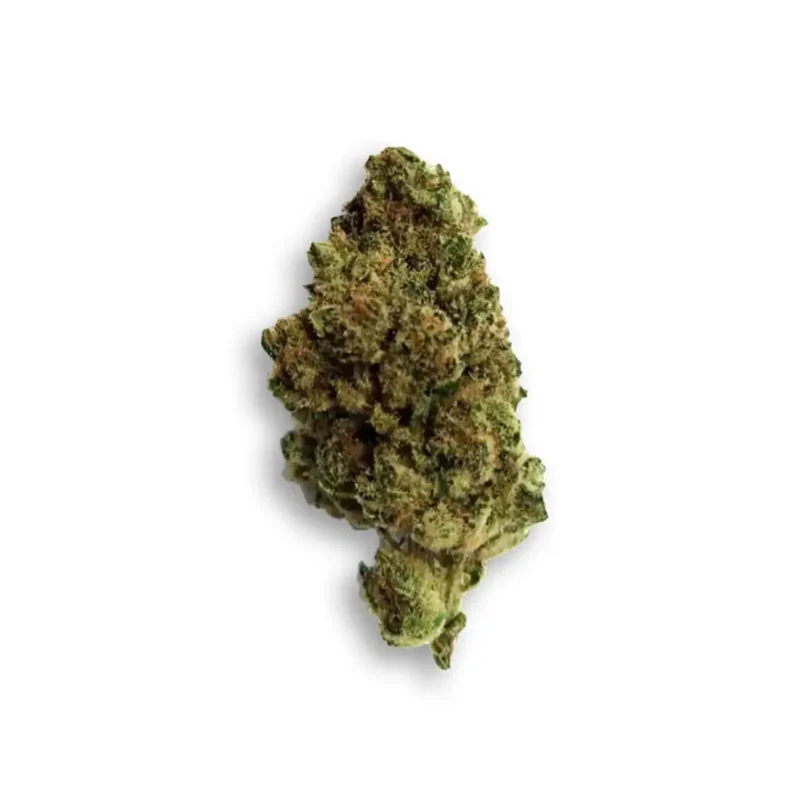
Product on saleAmnesia HazePrice range: £2.98 through £252.88From 0,64 €/gr -
Product on saleAmnesia Haze – GreenhousePrice range: £2.98 through £252.88From 0,64 €/gr -
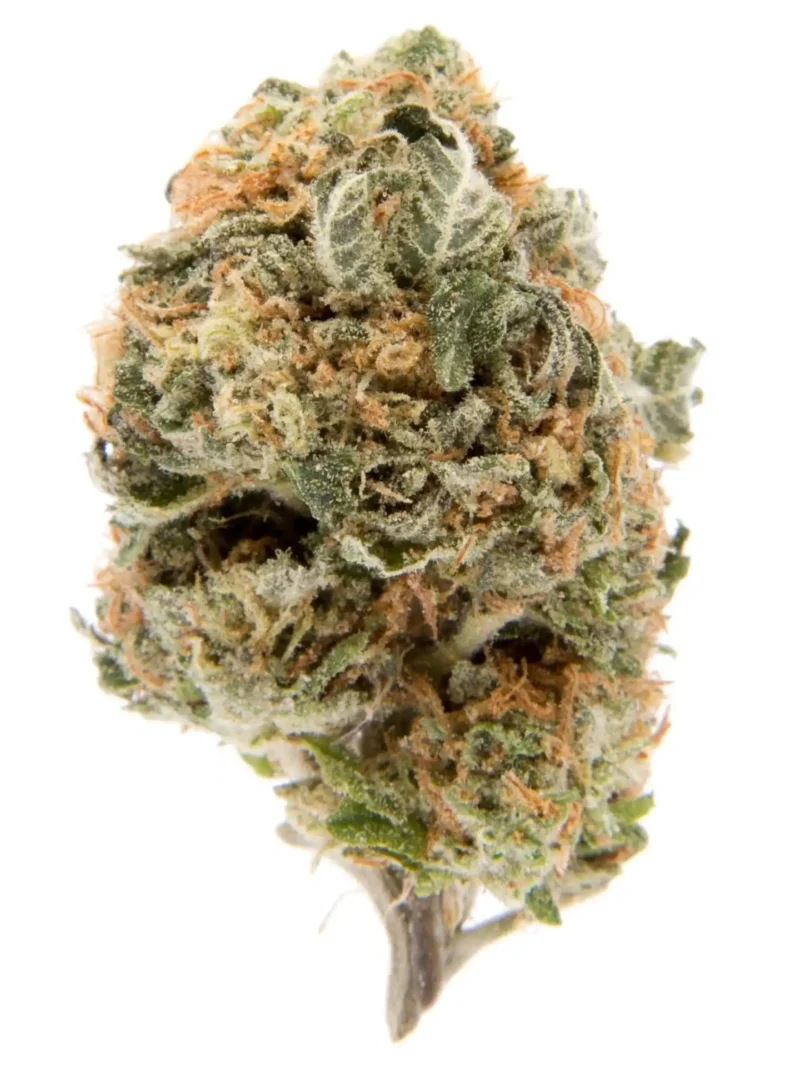
Product on sale BlueberryPrice range: £2.98 through £195.08From 0,64 €/gr
 -
Product on saleBoris Kiwi 2.0 | Legal CannabisPrice range: £2.98 through £180.63 -
Product on saleBubba KushPrice range: £2.98 through £252.88From 2,53 €/gr -
Product on sale BubblegumPrice range: £2.98 through £195.08From 0,64 €/gr
 -
Product on saleBz QueenPrice range: £2.98 through £255.00From 0,75 €/gr