Contact us




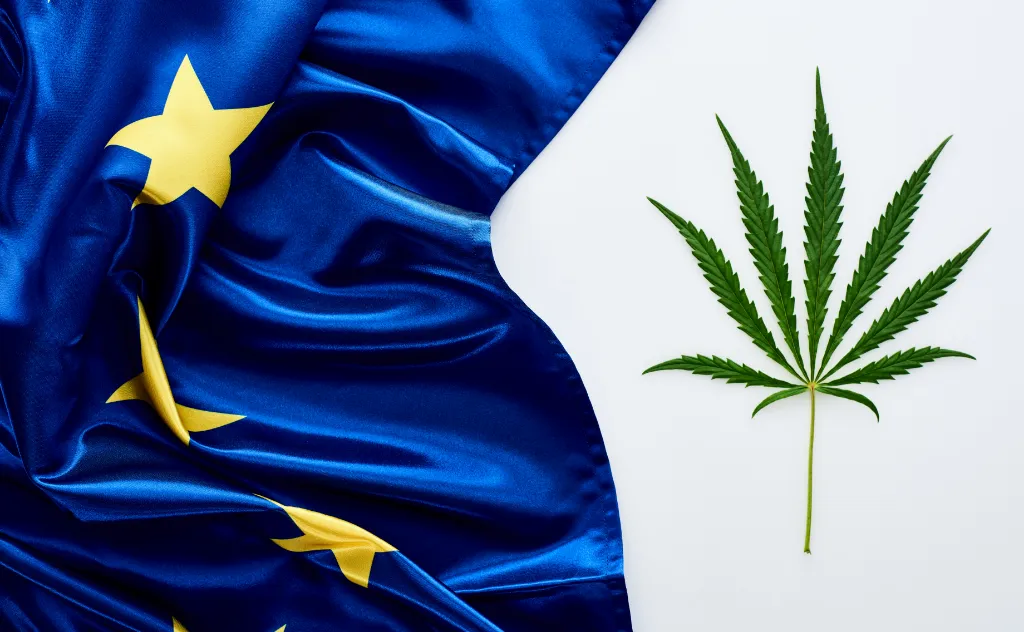
By 2026, the situation regarding cannabis in Europe is highly varied and constantly evolving: there is no single law, but rather each country follows its own rules.
Some countries have legalised or quasi-legalised personal use (such as Malta, Germany and Luxembourg), whilst others have adopted intermediate models based on decriminalisation or tolerance (such as Spain, the Netherlands and Portugal).
In many European countries, however, cannabis remains illegal, although possession of small amounts often results in only minor penalties.
Generally speaking, three main approaches can be identified in Europe:
- Legal or quasi-legal: personal use permitted within limits
- Decriminalised/tolerated: not legal, but subject to minor penalties
- Illegal: prohibited with potentially severe penalties
So, in the current situation, where is cannabis legal in Europe? In which countries might you face legal problems? And in which, conversely, is greater freedom permitted?
Let us therefore analyse the current situation regarding the legalisation of cannabis, as well as the existing varieties of legal Cannabis sativa, in various European countries in 2026.
In which European countries is cannabis legal?
When we think of the countries where cannabis is legal in Europe, the first one that springs to mind is undoubtedly the Netherlands; there, it has been legal to sell, buy and consume cannabis in authorised venues – the famous coffee shops – since 1975, and possession and cultivation outside this system are decriminalised.
But what is the situation in other countries?
| Village | Personal use | Cultivation | Sale | Cannabis club |
| Germany | Yes | Yes | Limited | Yes |
| Maltese | Yes | Yes | No | Yes |
| Netherlands | Tolerated | Limited | Coffee shop | No |
| Spain | Private | Yes | No | Yes |
| France | No | No | No | No |
Luxembourg
Luxembourg is often regarded as one of the most progressive countries in Europe when it comes to cannabis, but in reality it has adopted a model of only partial legalisation, introduced in 2023: today, adults are permitted to grow and consume cannabis, but only within very specific limits, designed to reduce the illegal market rather than to truly liberalise the sector.
Specifically, households are permitted to grow up to four plants within their own homes and consume cannabis only in private, whilst anything outside this context remains prohibited.
In particular:
- public consumption is illegal and carries an administrative penalty;
- possession or carrying of up to 3 grams outside the home is decriminalised, but punishable by a fine (of around €145);
- above 3 grams, the offence becomes a criminal one, with more severe penalties.
Furthermore, unlike in other European countries, there is no legal market: the sale, distribution and even the simple transfer to third parties remain prohibited.
The result is one of the most restrictive systems among Europe’s ‘open’ ones, in which it is legal to grow and consume at home, but not to smoke in public or buy cannabis legally, which amounts, in effect, to controlled and limited legalisation.
Malta
Alongside Luxembourg, Malta is also among the most progressive countries in Europe; it was the first nation in the European Union to introduce a form of legalisation as early as 2021, which was subsequently consolidated in the following years with a harm-reduction model.
Today, cannabis is legal in Malta, but within very specific limits:
- an adult may possess up to 7 grams, even in public;
- grow up to four plants at home (provided they are not visible from the outside);
- keep up to 50 grams at home.
Access to cannabis is provided through non-profit organisations, the Cannabis Harm Reduction Associations, which may distribute the product to their members within the established limits, on a non-commercial basis.
However, some significant restrictions remain:
- public consumption is prohibited and carries penalties;
- consumption in the presence of minors is prohibited;
- there is no over-the-counter retail sale; products are available only through authorised associations;
- exceeding possession limits may result in more severe penalties.
Between 2025 and 2026, there have been no radical changes, but the system is evolving, with discussions regarding greater transparency and control of associations. Malta represents one of the most structured models in Europe: legal and regulated personal use, but without a free market and with public consumption prohibited.
Germany
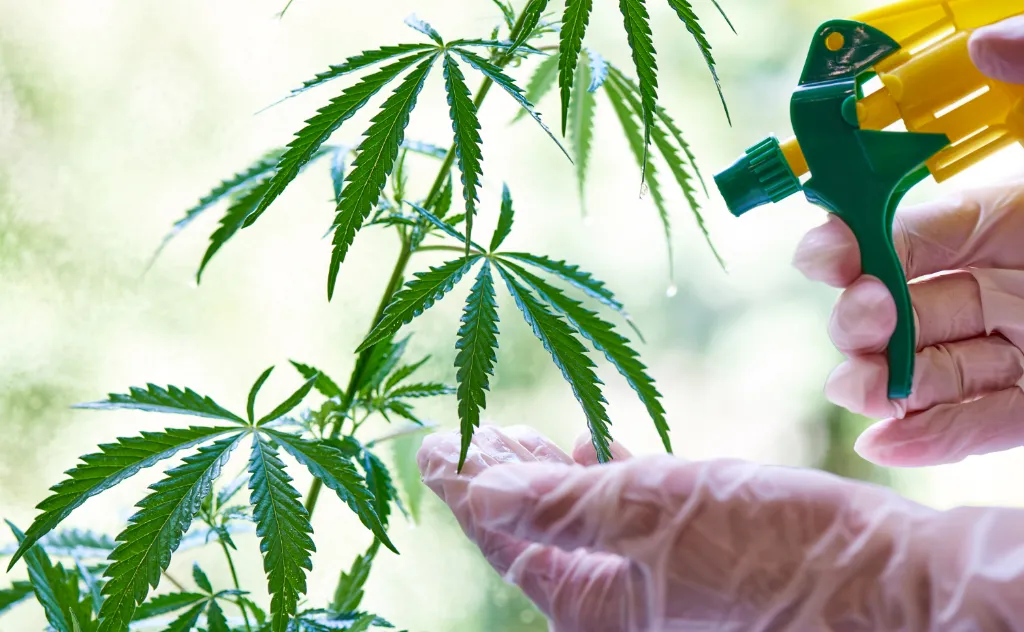
Cannabis policy in Germany underwent a significant shift in 2024, when a reform came into force legalising possession and cultivation for personal use, although without introducing a truly free market.
Since 1 April 2024, adults have been able to grow up to three plants at home and possess cannabis within clearly defined limits, whilst access is primarily through non-profit associations.
In detail:
- possession of up to 25 grams in public and up to 50 grams at home for personal consumption is permitted;
- home cultivation of up to three plants per adult is permitted;
- Cannabis Social Clubs have been introduced – non-profit associations that cultivate and distribute cannabis to their members (subject to limits and residency requirements).
Despite this liberalisation, the model remains tightly controlled and has several limitations:
- commercial sale in shops is not permitted;
- access is limited to residents and club members;
- consumption is prohibited in certain public areas and near schools or places frequented by minors.
At the same time, medical cannabis remains available on prescription and is distributed through authorised pharmacies, whilst the Government has launched and is evaluating pilot projects for possible regulated sales in the future.
Netherlands
Although it is often thought that Dutch legislation is among the most permissive in Europe, the system is in fact based on a policy of tolerance rather than true legalisation.
Cannabis remains technically illegal, but its sale in coffee shops is permitted within specific regulations, creating a very blurred line between legality and tolerance.
The following are currently permitted:
- possession of up to 5 grams tolerated for personal use;
- sale only in authorised coffee shops within the established limits.
However, the system presents a historical contradiction, as sale is tolerated, but production and supply remain illegal.
Spain
Spain is often regarded as one of the most permissive countries in Europe, but there is no true legalisation here either: the system is based on a clear distinction between the private and public spheres.
In general:
- it is permitted to grow and consume cannabis at home for personal use;
- access is available to Cannabis Social Clubs, private non-profit associations where members can consume cannabis in designated areas;
- the clubs operate on a membership basis and are limited in scope, with production controlled according to the number of members;
- consumption is only permitted in private settings or within the clubs, not freely anywhere.
Outside these contexts, the regulations become more restrictive:
- public consumption is prohibited and carries administrative penalties;
- possession in public places is illegal, with fines or more serious consequences depending on the quantity;
- attitudes may vary at a regional level (for example, Catalonia has historically been more permissive).
As far as the medical sector is concerned, there is no clear distinction between recreational and therapeutic use in general law, but some cannabis-based medicines, such as Sativex, are available on prescription.
However, in recent years the country has been making progress in regulating medical cannabis, whilst the social club model continues to represent a unique solution in Europe, based on private consumption and associative control rather than an open legal market.
Portugal
Portugal is one of the most unique cases in Europe: cannabis is not legal here, but personal use has been decriminalised since 2001, meaning that there is no risk of criminal penalties for small amounts.
In short, the system is based on a distinction between personal use and trafficking, without actually establishing a regulated market. Specifically:
- possession of small quantities for personal use is decriminalised, but may result in administrative penalties;
- buying and selling remain illegal;
- there are no legal clubs or coffee shops, although there are informal establishments operating in a grey area.
As for cultivation, the regulations are stricter than in other European countries:
- cultivation for personal use is not permitted;
- it is only permitted for licensed medical or scientific purposes;
- without authorisation, there is a risk of penalties or criminal consequences.
The case of medical cannabis is different, as it has been legal since 2018 and is regulated:
- it is available on prescription;
- it is distributed in pharmacies with authorised products.
France
Historically, France has been one of the strictest countries in Europe when it comes to cannabis, although there have been some relaxations in recent years, particularly in the medical field and with regard to ‘light cannabis’.
Cannabis remains illegal for recreational use and the regulatory framework is still quite strict, but with some significant exceptions. Specifically:
- cannabis for medical use is only permitted in controlled experimental settings, which were introduced in recent years and have been extended until 2025;
- ‘cannabis light’ (CBD) is legal if it contains THC ≤ 0.3%, and may also be sold in the form of flower buds;
- there are strict regulations on production and sale, with quality and safety controls on products;
- advertising of cannabis and its derivatives is severely restricted or prohibited.
Despite these liberalisation measures, the system remains one of the most restrictive in Europe:
- recreational use is illegal and may result in penalties or criminal proceedings;
- possession is prohibited, although in the case of small quantities it may be punishable by a fine;
- home cultivation is illegal, even for personal use or with low-THC strains.
In recent years, however, public debate has intensified, partly in light of the high levels of consumption in the country, and possible regulatory changes are being considered, particularly with regard to medical cannabis and the economic aspects of the sector.
Legal cannabis in Europe: what to expect in 2026
The regulatory situation regarding cannabis in Europe remains fragmented and unclear, varying according to use, quantity, product and country.
This lack of uniformity reflects the internal contradictions within the European Union, which is, however, gradually relaxing restrictions, partly in light of scientific studies and the positions of the World Health Organisation and the United Nations Commission on Narcotic Drugs.
Currently, only products with a THC content of less than 0.3% are considered legal at European level, which favours the spread of ‘cannabis light’ and the hemp value chain.
The year 2026 could mark a turning point. We have already discussed the legalisation of cannabis in Germany in 2024, a country that could pave the way for others. Furthermore, there are other proposed laws for the legalisation of cannabis in Switzerland and the Czech Republic.
What we can expect are further proposed laws for the legalisation of cannabis in other European countries, although the ongoing debate is delaying the effective implementation of these changes.
Cannabis biscuits and cannabis butter: are they legal?
So-called cannabis biscuits are a type of cannabis edible, i.e. food made with THC or cannabis derivatives. Among the best-known products are:
- space cake;
- cannabis brownies;
- desserts made with cannabis butter or marijuana butter.
The legality of these products varies greatly from country to country.
In the Netherlands, for example, space cakes have become famous thanks to Amsterdam’s coffee shops, where certain cannabis-containing products are tolerated within specific regulations. In Spain, on the other hand, similar products can be found in private Cannabis Social Clubs.
However, in most European countries, THC-containing edibles remain banned or heavily regulated. Even in places where personal cannabis use is decriminalised, the production and sale of cannabis biscuits may be subject to very strict restrictions.
-
Product on sale Ak47Price range: £2.98 through £195.08From 0,64 €/gr
 -
Product on saleAmnesia – CBD Cannabis TrimPrice range: £11.18 through £36.55From 0,35 €/gr -
Product on saleAmnesia HazePrice range: £2.98 through £252.88From 0,64 €/gr -
Product on saleAmnesia Haze – GreenhousePrice range: £2.98 through £252.88From 0,64 €/gr -
Product on sale BlueberryPrice range: £2.98 through £195.08From 0,64 €/gr
 -
Product on saleBoris Kiwi 2.0 | Legal CannabisPrice range: £2.98 through £180.63 -
Product on saleBubba KushPrice range: £2.98 through £252.88From 2,53 €/gr -
Product on sale BubblegumPrice range: £2.98 through £195.08From 0,64 €/gr
 -
Product on saleBz QueenPrice range: £2.98 through £255.00From 0,75 €/gr
Which is stronger, cigarettes or cannabis?
Many people wonder whether smoking is stronger than smoking cannabis, but in reality the answer depends on several factors, including:
- the quality of the product;
- the THC concentration;
- the method of consumption;
- individual tolerance.
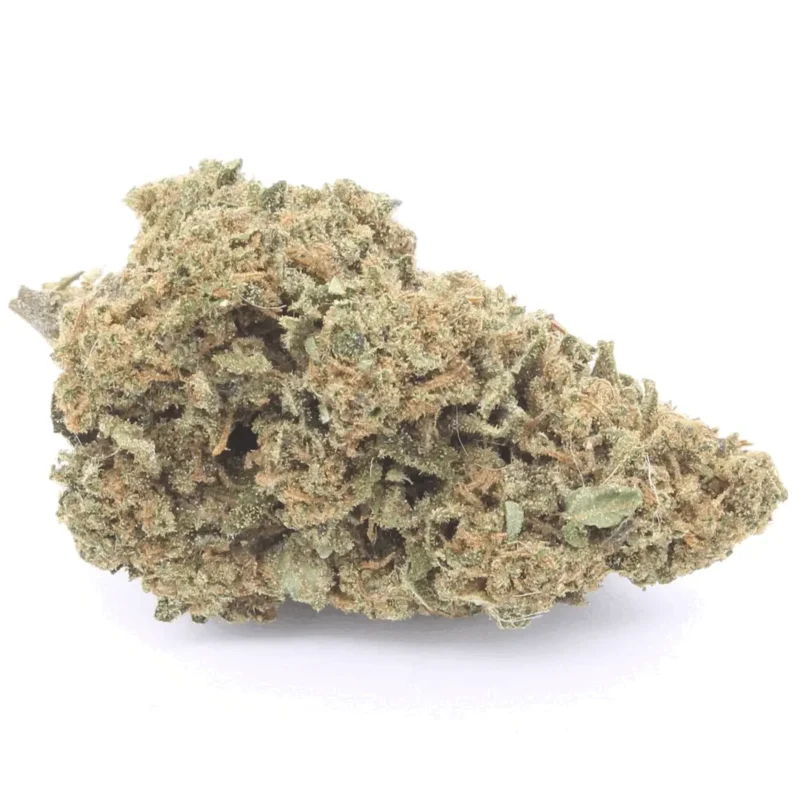
The term ‘weed’ usually refers to cannabis, that is, the flower buds of the cannabis plant, whilst ‘smoke’ often refers to hashish or other concentrated derivatives of the plant.
In many cases, hashish contains higher levels of THC than weed, so it may be perceived as more intense.
The perceived effects can also vary:
- weed is often associated with a milder, more gradual effect;
- smoke/hashish may have an effect that is perceived as stronger or more concentrated;
- the intensity and duration vary depending on the composition of the product.
It is important to remember that the effects of cannabis can vary greatly from one person to another and that legislation on cannabis, hashish and their derivatives continues to differ across European countries.
What is the situation of cannabis in the United Kingdom?
The United Kingdom continues to be one of the European countries with a relatively strict policy regarding cannabis. While some medical exceptions exist and certain CBD products are legal, recreational consumption continues to be illegal. The substance is classified as a Class B drug under British drug legislation.
In general terms, the legal mark can be summarized as follows:
- Personal use and pose: always be illegal. The possession of cannabis can give rise to police warnings, fines or criminal proceedings, depending on the circumstances and antecedents of the user.
- Traffic and administration: they continue to be serious crimes, punished with severe penalties that can include large periods of imprisonment.
- Cultivation: it is prohibited without official authorization, even when processing small cans intended for personal consumption.
Regarding specific uses:
- Medicinal cannabis: it is legal as of 2018 and can be obtained by prescription from specialist doctors for certain medical conditions. However, access through the public health system (NHS) remains very limited and the majority of patients go to private clinics.
- CBD and cannabis-derived products: some CBD products are always legal and comply with strict regulatory requirements and contain very low levels of controlled cannabinoids. However, CBD flowers (CBD flower) are considered cannabis and are illegal, regardless of whether they contain THC.
As for driving:
Conduct and control of drugs: Conducting under the effects of cannabis is a serious offense. There are legal limits on THC in blood and a positive test can lead to significant penalties, even when consumption has occurred previously. Patients with a medical prescription can have certain legal defenses available, but must comply with specific requirements.
The United Kingdom maintains a clearly prohibitive model for the recreational use of cannabis: the position, cultivation and cultivation are always illegal, while medicinal cannabis is permitted under a very controlled system and CBD products are only legal when fulfilling strict requirements.
Cannabis in the United States and the world
Cannabis has followed very different trajectories around the world, but in recent years a gradual opening has been observed, especially in the Americas.
Uruguay was the first country in the world to legalize cannabis for recreational use in 2013, followed by Canada in 2018, the first of the G7 countries.
In the United States, however, the situation is more complex and fragmented: at the federal level, cannabis remains illegal, but individual state laws have created a highly varied system that continues to evolve over time.
Specifically, the situation regarding cannabis in the U.S. between 2025 and 2026 is as follows:
- Medical use is legal in approximately 38-40 states, as well as the District of Columbia and several territories;
- Recreational use is legal in approximately 24 states and Washington, D.C.;
- More than 70% of the population lives in states where it is legal in at least some form;
- Laws vary considerably from state to state, with differences in terms of limits, cultivation, and sale.
In the rest of the world, several countries have legalized at least medicinal use, including Australia, Brazil, Colombia, Israel, and New Zealand, while others have gone a step further and legalized recreational use as well, such as Canada, Uruguay, South Africa, and, in part, Thailand.
Another important historical step was taken by the World Health Organization, which recommended removing cannabis from the most restrictive categories of international conventions, recognizing its therapeutic potential.
Cannabis is gaining increasing acceptance worldwide, but the landscape remains extremely heterogeneous: some countries have fully legalized it, others limit it to medical use, while many continue to maintain a prohibitionist or intermediate approach.
Maria CBD’s Light Cannabis
One alternative to cannabis is legal, or light, cannabis.
Light cannabis, with a THC content of less than 0.2%, is a legal alternative in many countries and offers numerous potential benefits. In Italy, its popularity is growing rapidly, as it offers consumers a safe and natural way to improve their well-being.
Many people choose CBD-based products as part of their daily wellness and relaxation routine. Light hemp products do not produce the psychoactive effects associated with THC and are used in various contexts related to personal well-being.
If you wish to purchase CBD-based products, go exclusively to reputable and professional distributors, such as Maria CBD Oil, which offers products for all needs, from oils and flower essences to infusions and candies, so you can benefit from the power of this active ingredient at any time.
FAQ
The term “legal cannabis” generally refers to “light” cannabis, meaning hemp varieties with very low THC levels that comply with current regulations. These products may contain CBD (cannabidiol), a compound in hemp that does not produce the psychoactive effects associated with THC.
Many people choose legal cannabis as part of their daily wellness or relaxation routine. Different types of hemp-derived products are available on the market, used in various contexts and regulated differently by country.
Legal cannabis can be found in different forms, including:
CBD oils;
infusions and teas;
hemp-based cosmetics;
aromatic or technical products derived from light cannabis.
The ways to use it may vary depending on the product and the regulations of the country where it is purchased. It is always important to carefully read the manufacturer’s instructions and check that the product complies with current legislation.
Many people associate legal cannabis and CBD-based products with feelings of relaxation and general well-being. Some consumers choose these products for support during times of stress or tension, or to promote a more relaxing nighttime routine.
However, the effects can vary from person to person, and scientific research on CBD is still evolving in various areas. Cannabis-based light products should not be considered medicines and do not replace the advice of a doctor or qualified healthcare professional.
In the United Kingdom, cannabis with significant levels of THC (recreational marijuana) remains illegal. Possession, sale, and production are criminal offenses and can result in legal penalties.
-However:
CBD products: Legal if they comply with UK regulations and do not contain intoxicating levels of THC.
Medical cannabis: Legal only with a specialist doctor’s prescription and under strict controls.
Recreational cannabis: Remains illegal under UK law.
In short, recreational marijuana is not legal in the UK, but certain CBD products and prescribed cannabis-based medicines are permitted and regulated.
Light cannabis and CBD products are generally associated with the absence of the typical psychoactive effects of THC, but in some people they can cause unwanted effects. Among the most common are drowsiness, dry mouth, fatigue, and changes in appetite.
The effects can vary depending on individual sensitivity, the product’s composition, and any ongoing medications. For this reason, if you have any medical condition or are undergoing medical treatment, it is advisable to consult a healthcare professional before using hemp-derived products.