Contact us





Difficulty: Medium
Preparation: 1 hour
Cooking: 3 hours
Serves: 4 people
Cost: Medium
Introduction
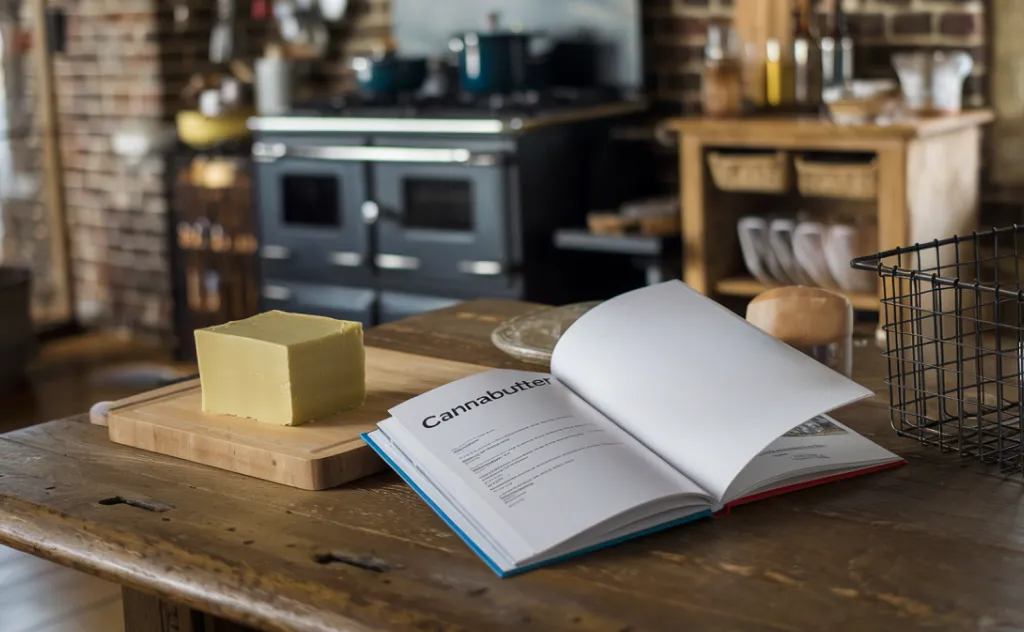
Cannabis butter, commonly known as cannabutter or cannabutter, is one of the most commonly used basic ingredients for making cannabis-infused foods. This versatile preparation allows you to incorporate CBD into your daily diet, for example in sweet or savory recipes, such as marijuana cookies, cakes, sauces, or even side dishes.
The process of making cannabutter requires preliminary decarboxylation of the cannabis, a crucial step for activating the plant’s compounds.
During decarboxylation, heat converts part of the CBDA naturally present in hemp into CBD. The plant material is then slowly cooked along with the butter, allowing the cannabinoids to bind to the fats. This creates an ingredient that can be used in a variety of CBD-containing culinary preparations.
Making cannabutter can be an alternative way to use hemp in the kitchen, especially in sweet or savory recipes. Oral administration has a different absorption time than other methods of consumption and can produce slower and more prolonged effects.
For this reason, it’s important to dose carefully, use only certified products, and understand the composition of the raw materials used. In this recipe, we’ll explore how to make cannabutter at home, how to properly decarboxylate cannabis, what to consider when selecting the right quantities, and how to store it safely.
This content is for informational purposes only and does not constitute an invitation to consume illegal substances. Cannabis regulations may vary depending on the country and jurisdiction. Before preparing or using cannabis-based products, it’s essential to familiarize yourself with the legislation in your area and ensure you’re operating in full compliance.
What is cannabutter?
Cannabutter, as the name suggests, is a blend of butter and cannabis and is an essential ingredient for creating cannabis-infused foods.
The infusion process allows cannabinoids like CBD to bind to the fats in butter. This creates an ingredient that can be used in various cannabis- or CBD-infused culinary preparations. Cannabutter can be used in a wide range of recipes, including desserts, cakes, cookies, brownies, and savory dishes like sauces, risottos, or even toast.
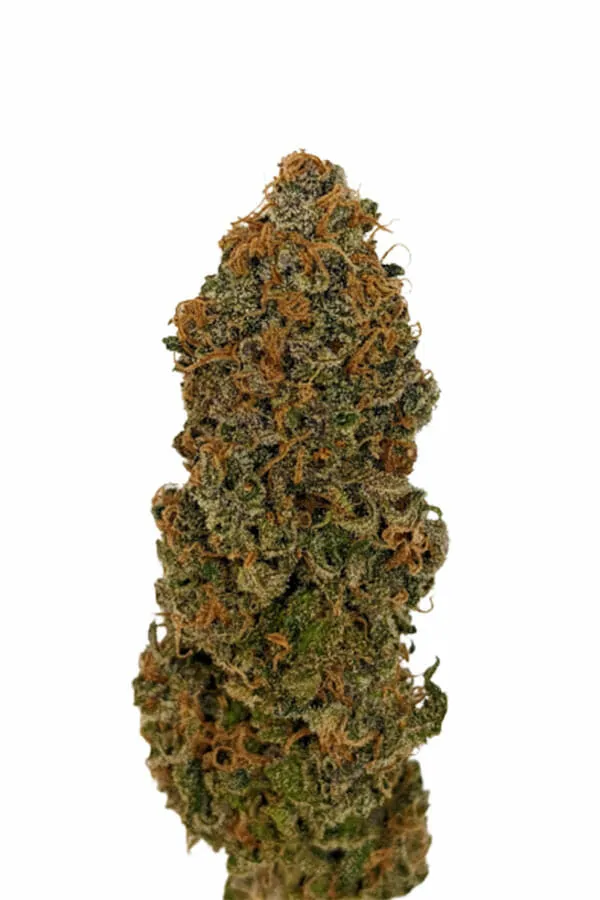
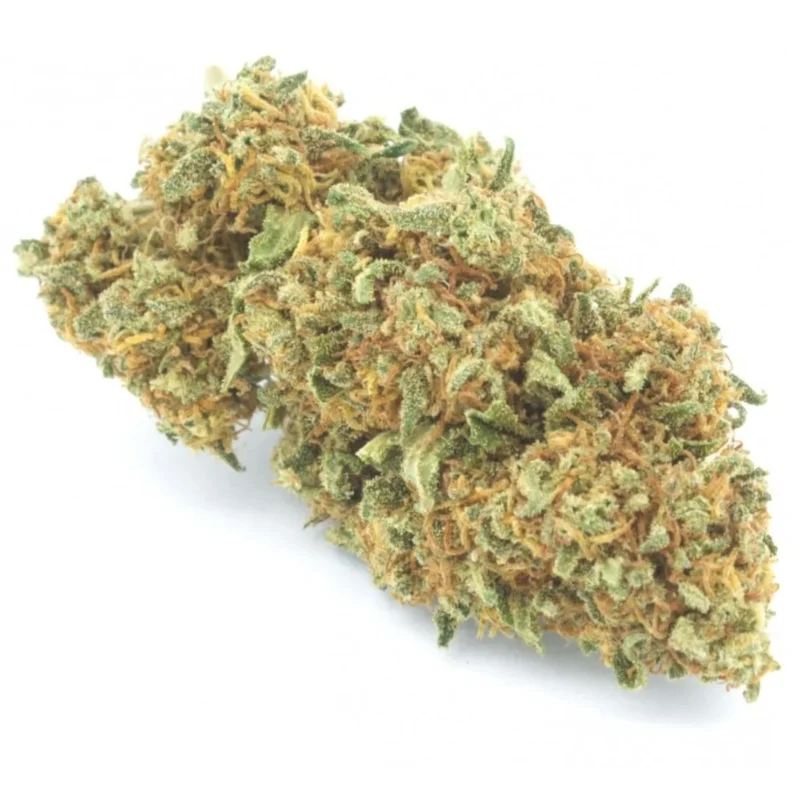
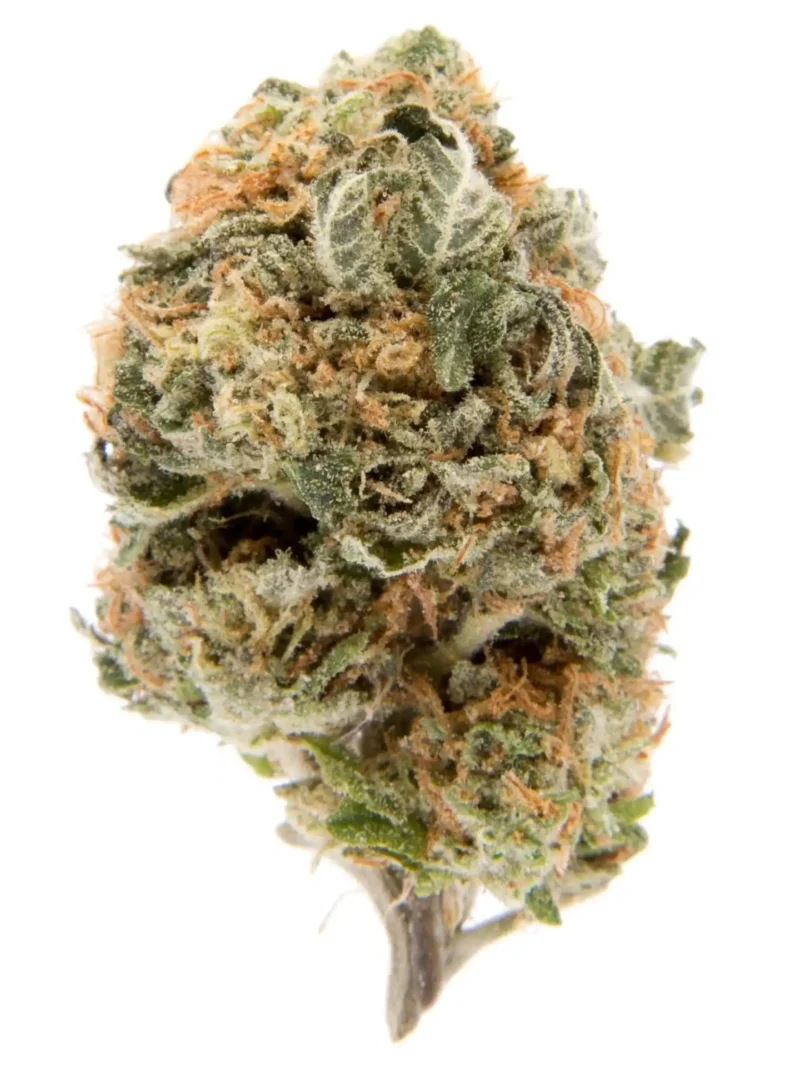
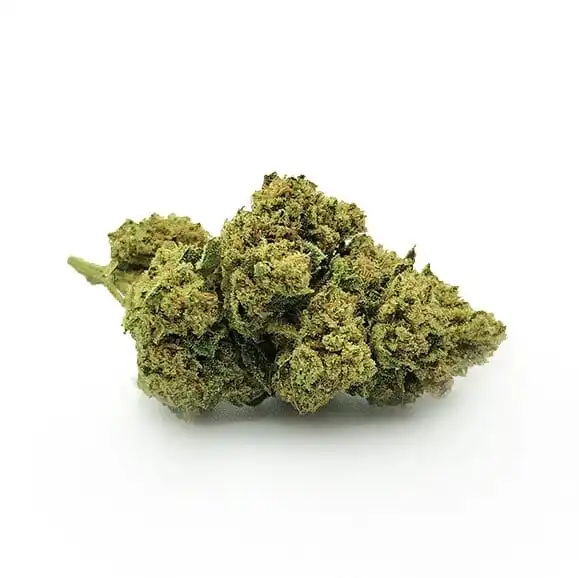
To obtain quality cannabutter, it’s essential to choose legal weed strains of controlled origin, with a THC content of less than 0.6%, in compliance with current regulations.
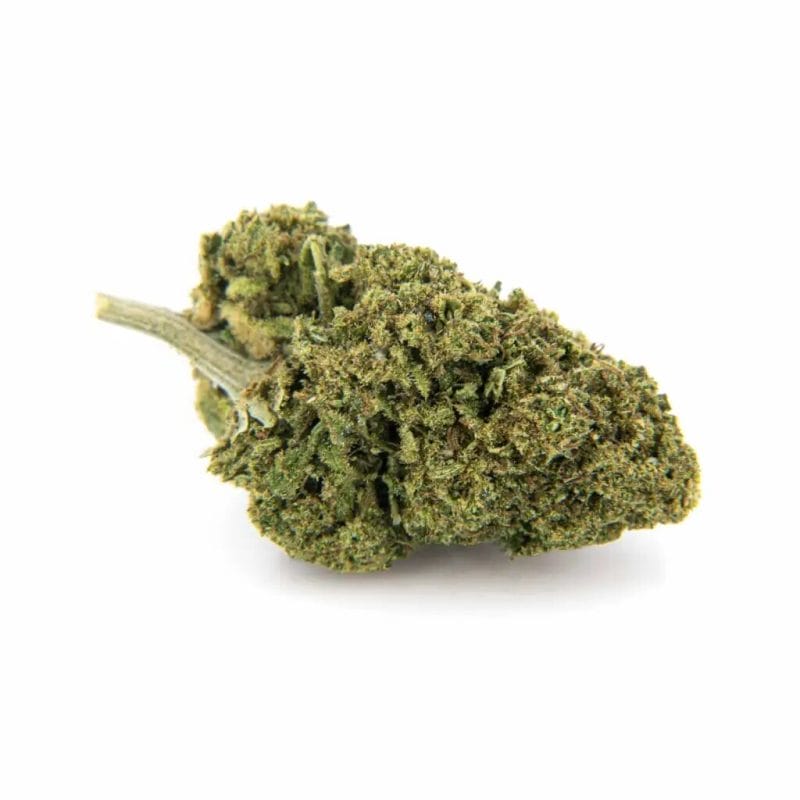
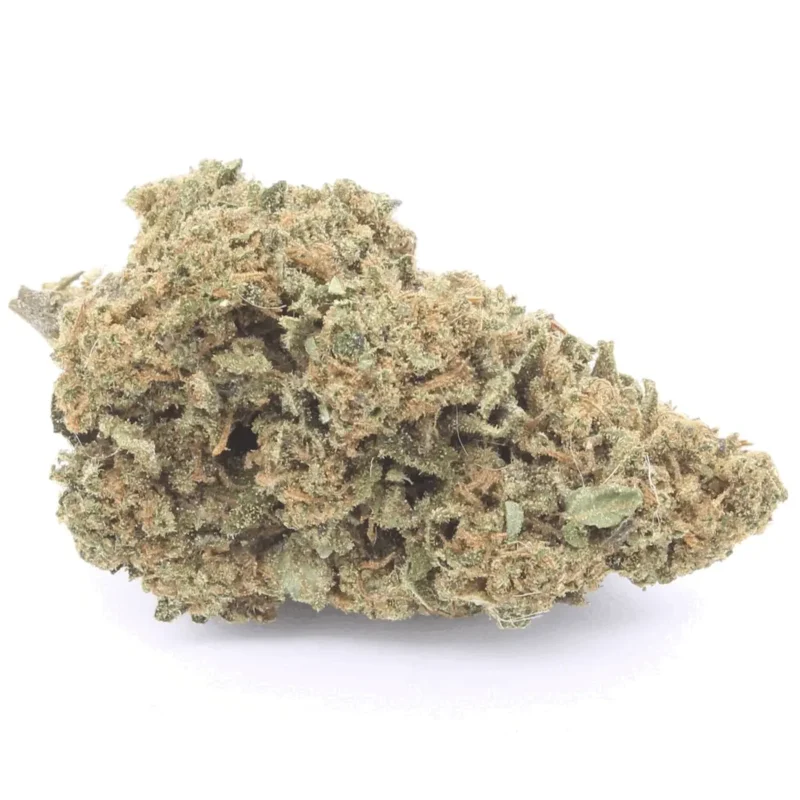
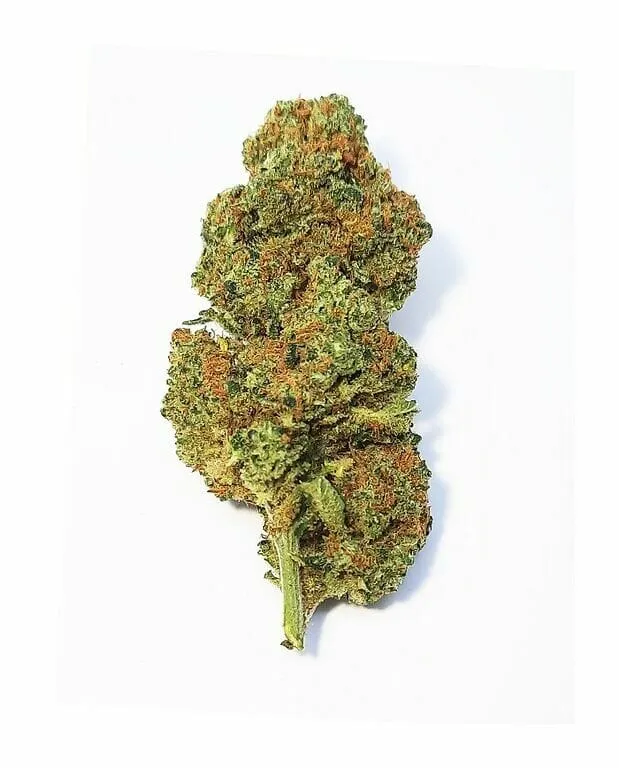
The flowers we recommend for a more pleasant and aromatic taste are:
- Strawberry: for vibrant notes of strawberry and berries;
- Lemon Haze: for those who love the taste of lemon and lime, enriched with hints of grapefruit;
- Purple Haze: for sweet and fruity flavors reminiscent of berries and grapes;
- Orange Bud: for a sweet and tart citrus combination;
- Caramel Candy: for a caramel, vanilla, and coffee flavor;
- For other types of flowers, consult our Maria CBD Oil catalog.
-
Product on sale Caramel CandyPrice range: £2.98 through £216.75From 0,64 €/gr
 -
Product on saleLemon HazePrice range: £2.45 through £270.00From 0,88 €/gr -
Product on sale Orange BUDPrice range: £2.98 through £216.75From 0,64 €/gr
 -
Product on sale Purple HazePrice range: £2.98 through £252.88From 2,53 €/gr
 -
Product on saleStrawberryPrice range: £2.98 through £216.75From 0,64 €/gr
Beneficial effects of cannabis butter
First of all, it’s important to understand that the cannabutter experience can vary from person to person based on individual factors such as:
- metabolism
- body weight
- age
- sensitivity
- amount of cannabis or CBD
- experience
That said, research on CBD is still ongoing and doesn’t allow for definitive conclusions. However, some studies and scientific reviews have observed interesting results in various areas: let’s explore them together.
Feelings of relaxation and general well-being: Some people report using CBD products as part of their daily wellness routines.
A randomized clinical trial published in 2024 observed a maintenance of perceived well-being in participants taking CBD compared to a placebo, although it did not detect significant improvements in all the parameters analyzed.
Anxiety and stress management: A 2024 systematic review analyzing several randomized clinical trials highlighted the potential scientific interest of CBD in managing anxiety symptoms, but emphasized the need for further research to confirm the existing findings.
Support for nighttime sleep: The relationship between CBD and sleep is the subject of extensive research. Some studies suggest possible positive effects on perceived sleep quality, but current evidence does not yet allow definitive conclusions.
Pain perception and physical comfort: CBD has also been studied in relation to pain perception and physical well-being. A review published in 2024 found promising clinical and preclinical evidence, while highlighting the need for further high-quality studies.
Daily well-being and quality of life: A survey published in 2024 found that many people use CBD primarily for reasons related to:
- stress
- sleep
- general well-being
These are observational data describing users’ motivations for use and do not constitute proof of clinical efficacy.
Cannabutter: Step-by-Step
Now, let’s look at how to make cannabutter, starting with the essential ingredients. We’ll then carefully follow each step of the recipe to create a cannabis-infused butter that can be used in a wide range of recipes, both sweet and savory, easily and safely.
Ingredients
The ingredients are few and simple:
- 7-10g of decarboxylated legal cannabis (see CBD shop)
- 250g of butter
- 1-2 cups of water
Now that we have the ingredients, we can finally get our hands dirty!
Procedure
Now that you have the ingredients ready, we can proceed with the steps to make the perfect cannabutter. Each step is essential to obtain a cannabinoid-rich and well-balanced final product, ideal for cooking your favorite recipes. Follow each step carefully to maximize the effects and preserve the quality of the cannabutter.
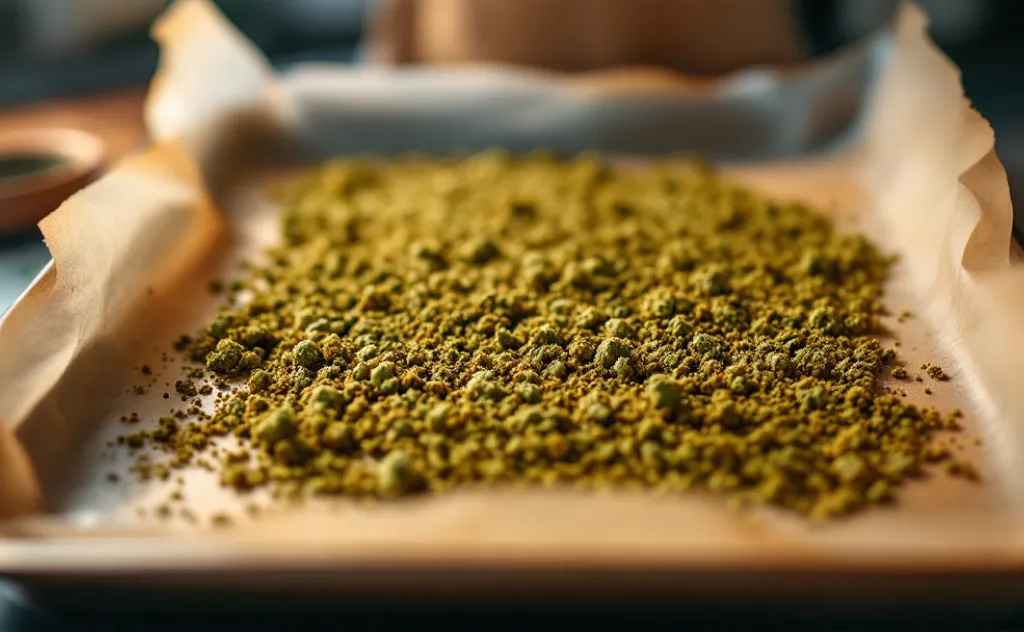
- Decarboxylation: This is essential to activate the cannabis compounds. Preheat the oven to 110-120°C. Finely chop the cannabis and spread it evenly on a baking sheet lined with parchment paper. Bake for 30-40 minutes, stirring occasionally to ensure even heating. Decarboxylation converts CBDA into CBD, the active compound needed to achieve the desired effect.
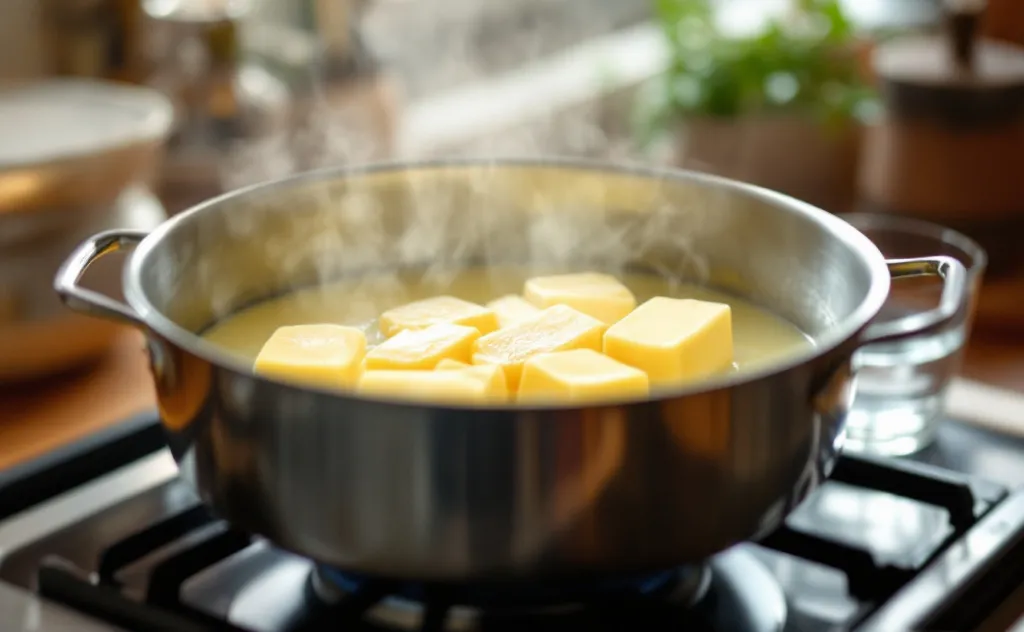
- Preparing the butter: In a large saucepan, melt the butter over low heat, being careful not to burn it. Add a small amount of water (1-2 cups) to prevent the butter from burning or separating too much during the cooking process. Water helps regulate the temperature, keeping the butter at the right consistency and preventing excessive evaporation of the cannabinoids.
- Cannabis infusion: Once the butter has melted, add the decarboxylated cannabis. Let the mixture simmer for 2-3 hours, stirring occasionally. It’s important to maintain a low temperature, avoiding boiling, to preserve the potency of the cannabinoids. A lid on the pot helps prevent the dispersion of the active ingredients and other volatile substances.
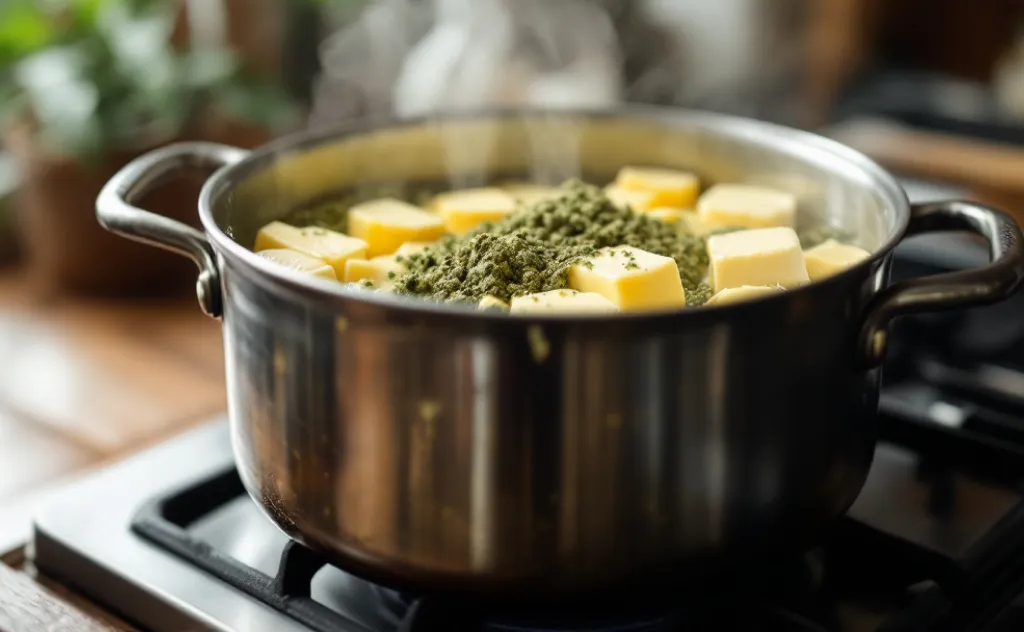
- Straining: Once the cooking time is complete, strain the cannabutter through cheesecloth or a fine sieve into a clean container to separate the cannabis residue from the infused butter. This step ensures the butter is smooth and free of plant debris.
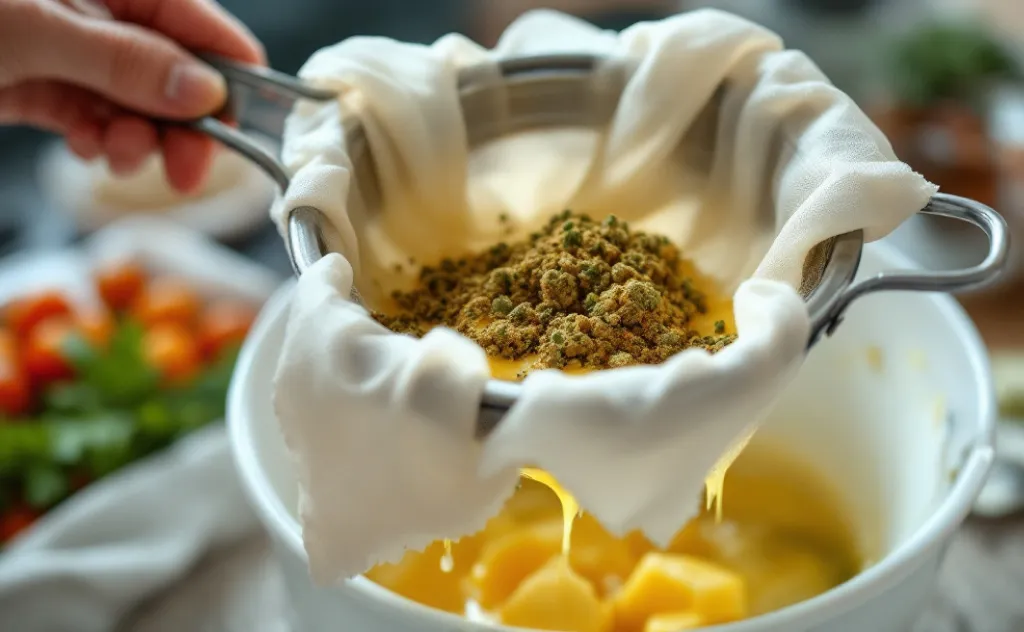
- Cooling and storage: Let the butter cool to room temperature and then transfer it to the refrigerator to solidify completely. The cannabutter can be stored in an airtight container for several weeks in the refrigerator or even frozen for future use.
Once you’ve completed all the steps, you’ll have created your own homemade cannabutter, ready to be used in a wide range of recipes, even the most unpredictable ones.
Let’s explore one in the next section!
-
Product on sale BlueberryPrice range: £2.98 through £195.08From 0,64 €/gr
 -
Product on sale BubblegumPrice range: £2.98 through £195.08From 0,64 €/gr
 -
Product on saleOrangelloPrice range: £5.40 through £195.08From 1,95 €/gr
Cannabutter in hot drinks
Cannabis butter is ideal for use in hot beverages such as herbal teas or tea. The fats in cannabutter allow cannabinoids to be incorporated into the preparation, making cannabutter a particularly suitable ingredient for sweet and savory recipes featuring cannabis or CBD.
Here are some tips for using cannabutter in beverages:
- Adjustable dosage: Add a small amount to your favorite herbal tea and stir well.
- Optimal absorption: The fat in cannabutter allows cannabinoids to bind and be absorbed by the body.
- Easy preparation: Simply add to the hot beverage and let it dissolve completely.
Here are the ingredients you’ll need:
- 1 g of ground cannabis
- 1 tea bag of your choice (or a hemp herbal tea mix)
- 1 tablespoon of cannabutter
- ½ pot of water
- A tea strainer
- Honey or sugar
This is the procedure you’ll need to follow:
- Crush the cannabis flowers using a grinder or blender.
- Bring water to a boil in a pot, making sure there’s enough water.
- Add the butter and stir until it melts.
- Add the cannabis and reduce the heat to simmer the mixture for about 15 minutes, covered.
- Strain the mixture and pour it into a mug.
- Add the tea bag and, if desired, sweeten with honey or sugar to taste.
Alternatively, if you don’t have the time or inclination to make cannabutter from scratch, you can always purchase a ready-made hemp herbal tea. These herbal teas are a convenient and immediate way to use cannabis or hemp-derived ingredients, without having to prepare a complex infusion. They can be enjoyed in just a few minutes and are easily adapted to different times of the day.
How to store cannabutter
To properly store cannabutter, it’s important to store it in an airtight container to maintain its freshness and preserve its active cannabinoids.
Once prepared and strained, let the cannabutter cool and then transfer it to the refrigerator, where it can last up to several weeks. If you want to store it longer, you can freeze it, making sure it’s tightly sealed to prevent it from absorbing external odors.
Frozen and stored properly in a well-sealed container, cannabutter can maintain its organoleptic characteristics for several months, helping to preserve its aroma and quality.
Where to buy light cannabis in UK?
For those who wish to experiment with hemp-based recipes, it is important to always stay informed about current UK regulations and to use only ingredients sourced from reliable and traceable suppliers.
Since the legal framework governing cannabis and hemp-derived products is subject to frequent updates, it is essential to ensure that any purchased products comply with applicable UK legislation and are accompanied by proper documentation regarding their origin, composition, and the specifications declared by the manufacturer.
If you want to explore the world of hemp and CBD further, you can visit the blog and CBD shop of Maria CBD Oil, where you will find educational content, insights, and a selection of carefully curated products, quality-tested and supported by laboratory certificates.
FAQ
The amount of cannabis needed depends on the recipe, the concentration of cannabinoids in the raw material, and the desired result. Many homemade preparations use 5 to 15 grams of cannabis per 250 grams of butter, but it’s advisable to research the characteristics of the product used and always proceed in moderation.
Cannabis butter can be stored in an airtight container in the refrigerator for several weeks. For longer storage, it can be frozen, protecting it from humidity and external odors. If stored properly, it can maintain its properties for several months.
Yes, it’s possible to make cannabutter using legal hemp flowers that are rich in CBD and comply with current regulations. In this case, the characteristics of the final product will depend on the strain chosen and the concentration of cannabinoids present in the raw material.
Moderate temperatures are generally used to prepare cannabutter, avoiding overheating the plant material. During the infusion phase, many preparers maintain temperatures between about 70°C and 90°C to promote the transfer of cannabinoids into the fats without subjecting the ingredients to excessive heat.
The main difference is the fat used as the base. The former uses butter or other animal fats, while the latter uses vegetable oils such as olive oil or coconut oil. Both can be used in cooking, but the choice depends on the type of recipe and personal preference.