Contact us





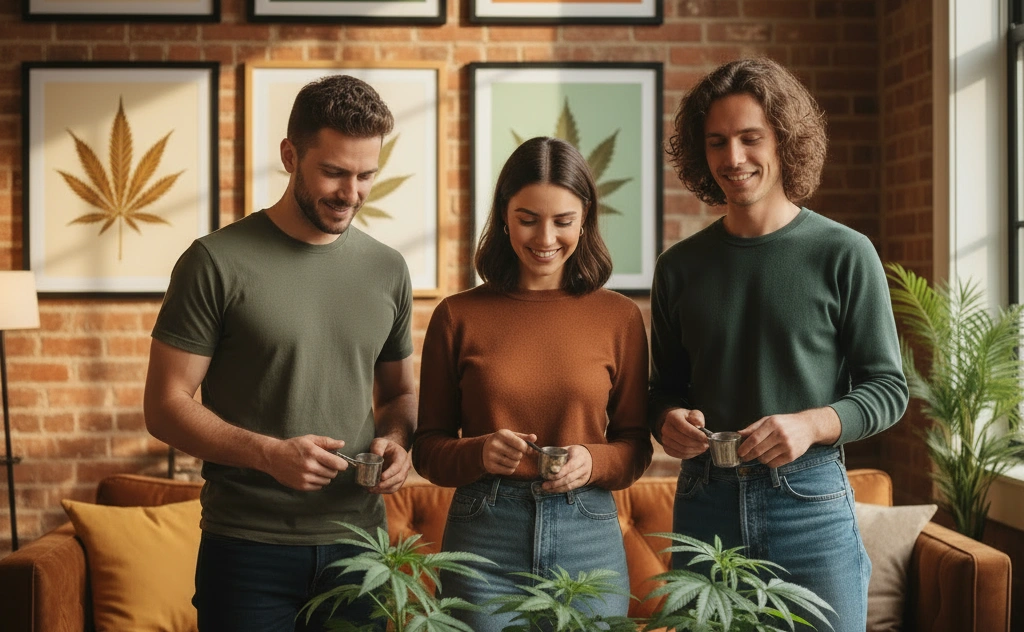
Imagine a place where cannabis isn’t a commodity on the shelf, but a shared project: grown together, distributed only among members, with clear rules regarding quality, quantity, and responsibility.
We’re talking about Cannabis Social Clubs (CSCs): non-profit organizations created to rein in the illegal market and promote informed, traceable, and transparent use.
In recent years, CSCs have entered the European public debate: in some countries, they have found a precise regulatory framework, while elsewhere they remain in a gray area, amid local trials and court rulings.
But how do they really work? Who can join, what restrictions are there, and who monitors quality and safety?
If you’re curious to learn what a Cannabis Social Club is, how it’s organized, what regulatory models are emerging, and what the differences are between countries, then you’re in the right place.
Cannabis social club: what is it?
First, let’s clarify one thing: Cannabis Social Clubs are not the equivalent of coffee shops in Amsterdam.
They are non-profit associations where cannabis is grown collectively, which is then distributed exclusively among members in limited and traceable quantities. Essentially, it is an alternative to the recent European legal situation and aims to reduce the harm associated with drug use and the power of organized crime.
Conceptualized in 2005 by ENCOD (European Coalition for Just and Effective Drug Policies), they are open exclusively to club members, avoiding any connection to the black market.
Distribution is not entirely free: members gain access thanks to a card that certifies membership in a specific club and a monthly or annual subscription that funds and supports the association.
However, it cannot be said that Cannabis Social Clubs actually generate revenue, as the money raised from subscriptions is used to pay salaries, maintenance, and the purchase of cannabis seeds and cultivation equipment.
Where did cannabis social clubs originate?
The concept of cannabis social clubs was born in 1991 in Spain, specifically in Barcelona, through the ARSEC association (Asociación Ramón Santos de Estudios sobre el Cannabis).
Founded to promote study, normalization, and harm reduction, ARSEC was among the first to test the “collective cultivation for adult use” model, with transparency regarding origin, quantity, and quality.
In 1994, ARSEC organized a collective cultivation of approximately 200 plants to demonstrate that shared home-grown cannabis could be legally accepted. The initiative, known as the “Catalan breach,” attracted considerable media attention but also led to a lengthy legal trial. At first instance, those responsible were acquitted, but the Supreme Court subsequently convicted them, applying the concept of “abstract danger.”
Despite legal setbacks, ARSEC is still cited as a pioneer in historical texts and journalistic reconstructions of the phenomenon. Since the mid-1990s, associations inspired by that organizational legacy have multiplied in Barcelona and the rest of Spain.
What do you do in a cannabis social club?
Each club has its own specific rules regarding product distribution, with continuous monitoring of quality and quantity.
As mentioned previously, members of a Cannabis Social Club not only contribute to the maintenance of the association, but also participate in important decisions regarding the management of the club. Cultivation is scaled based on the number of members and their individual needs.
If we were to summarize everything that happens in a Cannabis Social Club, we could divide it into five macro-activities:
- Collective cultivation: Members contribute to the management and care of the plants, with the assistance of experts, to ensure high-quality production.
- Distribution reserved for members: The cannabis produced is distributed exclusively to club members, in limited quantities, and always monitored to prevent abuse.
- Education and awareness: Clubs promote responsible consumption by offering courses, seminars, and informational activities on the possible benefits and risks of cannabis.
- Social gatherings: Members participate in community events, such as social evenings, discussions, and activities that strengthen the bond between members and the club.
- Legal and social support: Clubs often provide information and legal assistance regarding cannabis, helping members navigate local regulations and defend their rights.
In practice, they’re more than just a place to consume cannabis; Cannabis Social Clubs are a true community, a place for cannabis enthusiasts to meet and share experiences, excluding any kind of connection to the black market and prioritizing product quality.
What other functions does a cannabis social club perform?
And it doesn’t end there.
Cannabis Social Clubs have become a true social and cultural hub in many Spanish cities, such as Barcelona, promoting community, well-being, and responsible cannabis education.
The clubs are designed to provide not only quality cannabis, but also a safe and regulated space to promote education and community support. The presence of clubs in cities like Barcelona has helped normalize responsible consumption and spread a culture of respect and legality because:
- they educate about responsible and informed use;
- they offer legal protection;
- they have an extraction system appropriate for the size of the club, ensuring clean air;
- they organize educational, recreational, and cultural events;
- they provide a space for artists passionate about this world to express themselves.
It’s clear that, over the years, Cannabis Social Clubs have become true community centers that offer much more than just cannabis consumption: they provide comprehensive support to members, contribute to the normalization of cannabis in society, foster unity among people with shared values, create a safe and regulated space, and much more.
What are the requirements to join a cannabis social club?
By now you’ll have realized that Cannabis Social Clubs are certainly positive environments, but with strict and stringent rules to ensure the safety of all members.
Therefore, if you’re thinking of joining a club, you should know the requirements.
In general, you must:
- be 18 years of age or older;
- register by providing your personal information, ID, and photo;
- be invited by another club member;
- pay the membership fee to cover the club’s operating costs;
- follow the club’s rules.
These are general rules that all clubs generally impose, but you should keep in mind that each club may have its own specific rules that differ from others.
For this reason, before joining a club, it’s important to thoroughly research the requirements and make sure you can meet them all. If you can’t, you will be immediately expelled from the club.
Cannabis social clubs in Europe
In Europe, the situation varies significantly from country to country. In the United Kingdom, opening a Cannabis Social Club that cultivates or distributes cannabis for recreational use is currently not permitted under the law.
As of 2026, UK legislation continues to classify cannabis as a controlled substance under the Misuse of Drugs Act. While certain cannabis-based medicinal products may be prescribed in limited circumstances, the cultivation, possession, supply, and distribution of cannabis for recreational purposes remain illegal. For this reason, it is not possible to operate a Cannabis Social Club in the UK in the same way as those established under specific legal frameworks in some other European countries.
Across the rest of Europe, Cannabis Social Clubs (CSCs) have become a consolidated reality in numerous countries, representing an innovative and alternative model for the collective cultivation and distribution of cannabis, especially for recreational purposes, under the guise of a non-profit organization.
Spain, in particular, is the nation that has most embraced this model, with clubs thriving primarily in Catalonia. Here, regional law permits the operation of these clubs, creating a sort of legal haven where cannabis can be grown and shared, although consumption outside of these facilities is still subject to more ambiguous regulations.
Then there’s Germany, which has decided to take a significant leap forward: starting in 2024, it will be possible to form non-profit CSCs, provided they meet certain conditions. The law provides for a maximum of 500 members per club, with a monthly distribution limited to 50 grams of cannabis per person, but consumption within the club will be prohibited.
And let’s not forget Malta, which has initiated the creation of regulated Cannabis Social Clubs, where users can receive up to 50 grams per month, subject to registration and payment of a licensing fee.
Finally, there are countries like France, Belgium, the Netherlands, Austria, and Slovenia, where the legality of CSCs is in a gray area. Collective cultivation and distribution are tolerated, but not explicitly legal, which makes the situation even more interesting.
What are the most popular cannabis strains in CSCs?
Cannabis Social Clubs offer cannabis strains, each characterized by different aromatic profiles, cannabinoid concentrations, and terpene compositions. Each strain has its own personality, and is carefully selected to meet the specific needs of users, like a fine wine pairing with a refined dish.
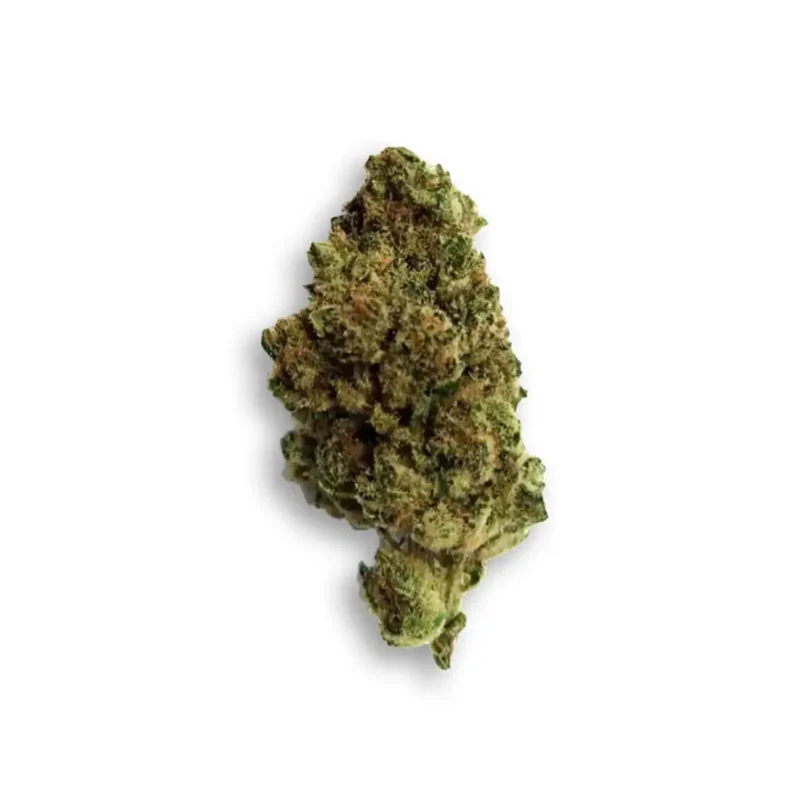
Amnesia Haze, for example, is one of the undisputed queens of the scene, prized for its intense aromatic profile with citrus and spicy notes.
-
Product on sale Amnesia HazePrice range: £2.98 through £252.88From 0,64 €/gr
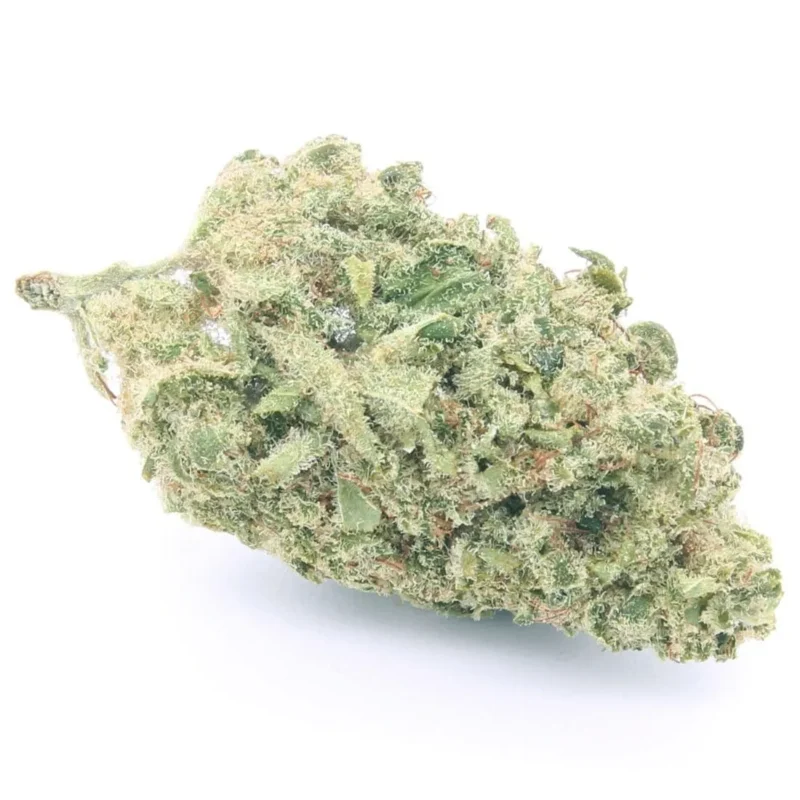
Lemon Haze is also very popular, recognizable for its fresh, citrusy aroma, particularly appreciated by lovers of lively strains.
-
Product on saleLemon HazePrice range: £2.45 through £270.00From 0,88 €/gr
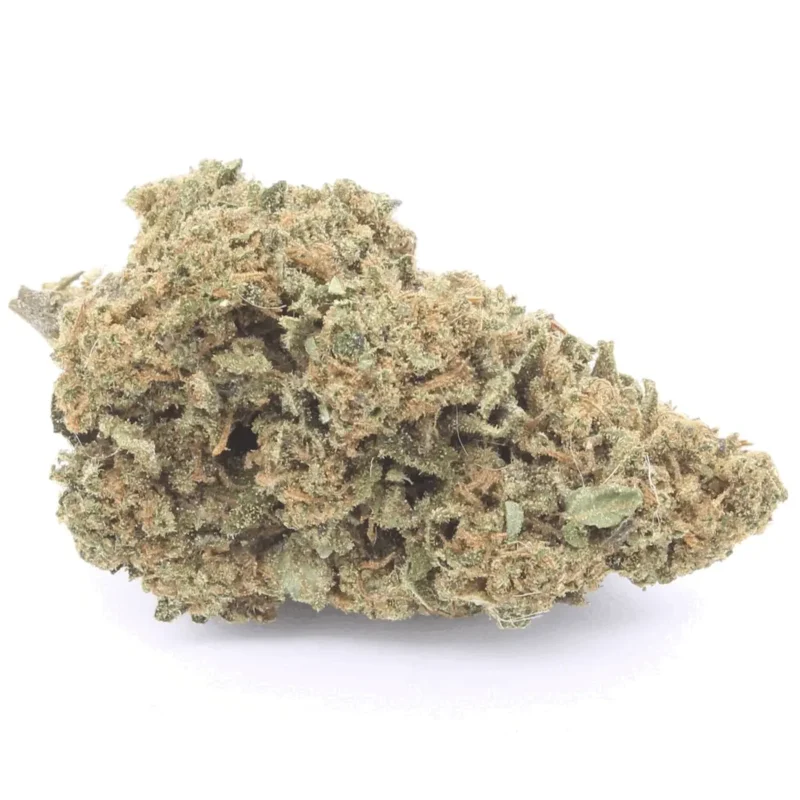
And finally, White Widow, renowned for its complex aromatic profile and its widespread use in international markets since the 1990s. It remains one of the most popular strains among cannabis enthusiasts today.
-
Product on saleWhite WidowPrice range: £2.98 through £245.65From 0,64 €/gr
If you’d like to discover other light cannabis strains, visit Maria CBD Oil’s CBD shop!
FAQ
Currently, the UK does not have regulations officially governing membership in legally recognized Cannabis Social Clubs. While some cannabis-related associations and activist groups exist, they cannot legally cultivate or distribute cannabis for recreational use. In countries where Cannabis Social Clubs are regulated, access is usually restricted to adults and requires membership registration. Membership requirements may vary depending on local legislation and the bylaws of each association.
As of 2026, there is no legislation in the UK that officially recognizes Cannabis Social Clubs as a legal model for the collective cultivation and distribution of cannabis for recreational purposes. Recreational cannabis remains illegal throughout the UK and is classified as a Class B drug. This differs from some European countries, such as Malta and Germany, where specific regulations have been introduced for certain forms of legal access to cannabis. Therefore, it is important to always consult up-to-date sources and current legislation before engaging in any cannabis-related activity.
The main difference is the operating model. A Cannabis Social Club is generally a private, non-profit association reserved for members, while a coffee shop is a commercial business open to the public according to the regulations of the country in which it operates. Furthermore, Cannabis Social Clubs often rely on collective cultivation for registered members only.
There is no universal membership fee for all Cannabis Social Clubs. In countries where these clubs are regulated, costs may vary depending on the association, the services offered, and management expenses. Typically, there is an annual or periodic fee for the club’s operation and member-oriented activities.