Contact us





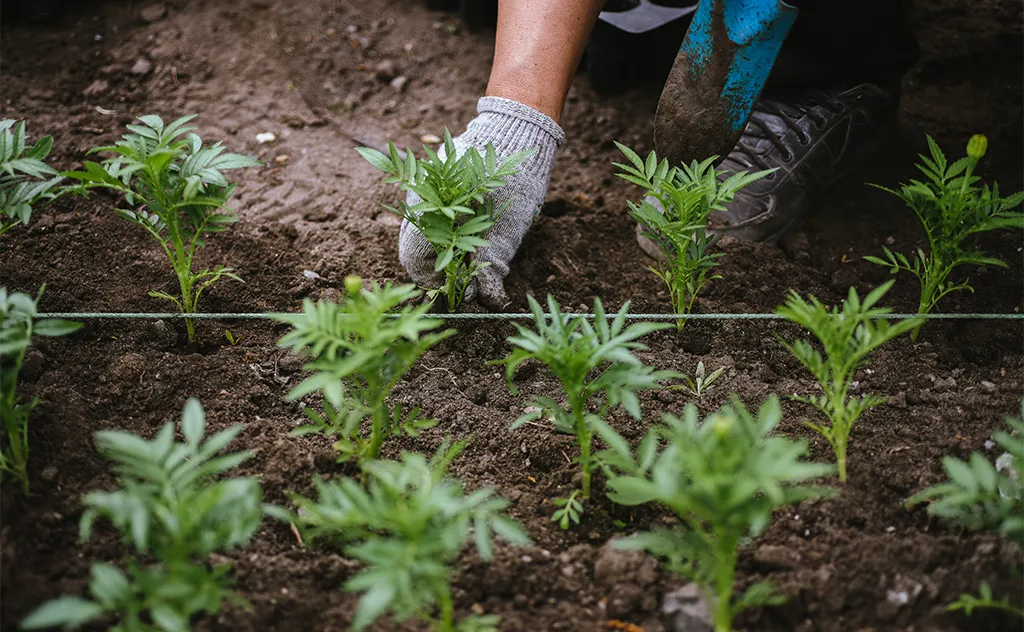
In the world of cannabis, understanding the difference between male and female marijuana is an important botanical skill, especially for those who wish to delve deeper into the structure and life cycle of this plant species.
As with many plants, cannabis also has a well-defined sexual distinction. This characteristic influences the way the plant develops and reproduces, impacting various aspects of its morphology and flowering process.
Knowing these differences allows for greater awareness, both botanically and through simple observation of the plant.
-
Product on sale Ak47Price range: £2.98 through £195.08From 0,64 €/gr
 -
Product on saleAmnesia Haze – GreenhousePrice range: £2.98 through £252.88From 0,64 €/gr -
Product on saleBoris Kiwi 2.0 | Legal CannabisPrice range: £2.98 through £180.63 -
Product on saleBz QueenPrice range: £2.98 through £255.00From 0,75 €/gr -
Product on sale Candy KushPrice range: £2.98 through £252.88From 0,64 €/gr
 -
Product on saleCannatonicPrice range: £2.98 through £255.00From 0,75 €/gr -
Product on sale Cookies KushPrice range: £2.98 through £216.75From 2,17 €/gr
 -
Product on saleGorilla GluePrice range: £2.98 through £252.88From 0,64 €/gr -
Product on sale HarlequinPrice range: £2.98 through £216.75From 0,64 €/gr
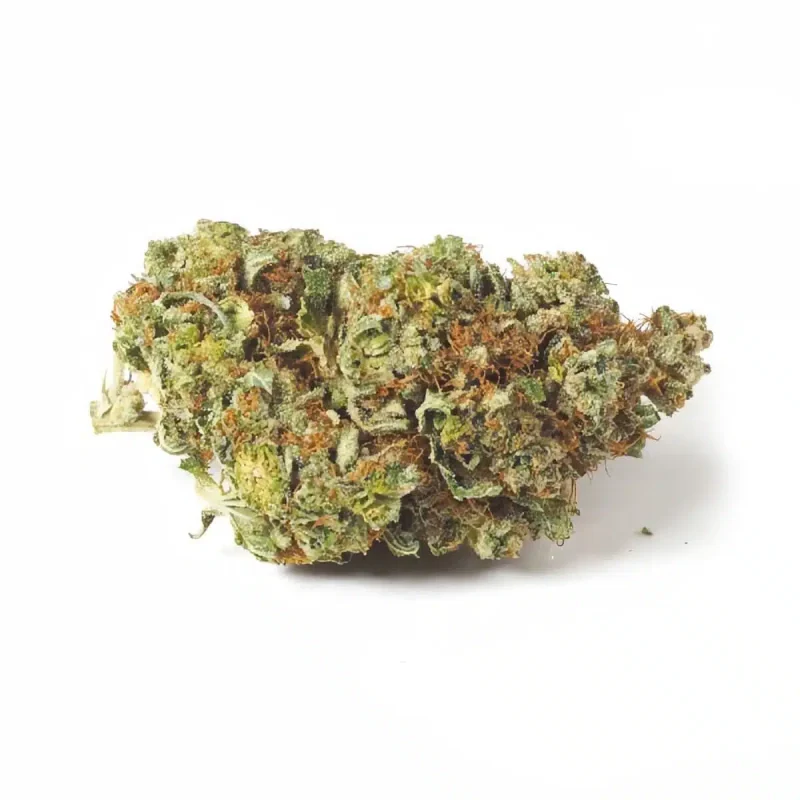
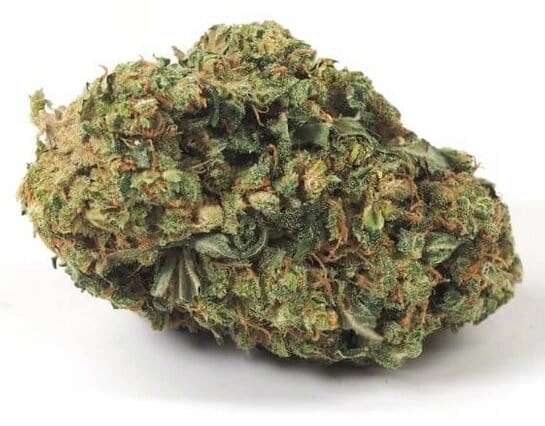
Male and female cannabis: the main differences
The distinction between male and female plants is based on visual and structural features that can emerge even in the early stages of growth.
1. Pistils and pollen sacs
The most obvious difference concerns the reproductive organs:
- Female plants develop thin filaments called pistils, which are initially light in color and later darker.
- Male plants produce pollen sacs, small, rounded structures that contain pollen.
When mature, these sacs can open and release pollen into the environment, contributing to the natural reproduction process.
2. Plant structure and growth
The differences are also reflected in the overall appearance:
- Male plants tend to grow taller, with a more slender structure.
- Female plants are generally more compact and branched.
These characteristics are linked to the biological function of each specimen.
3. Flower and resin production
From a botanical perspective:
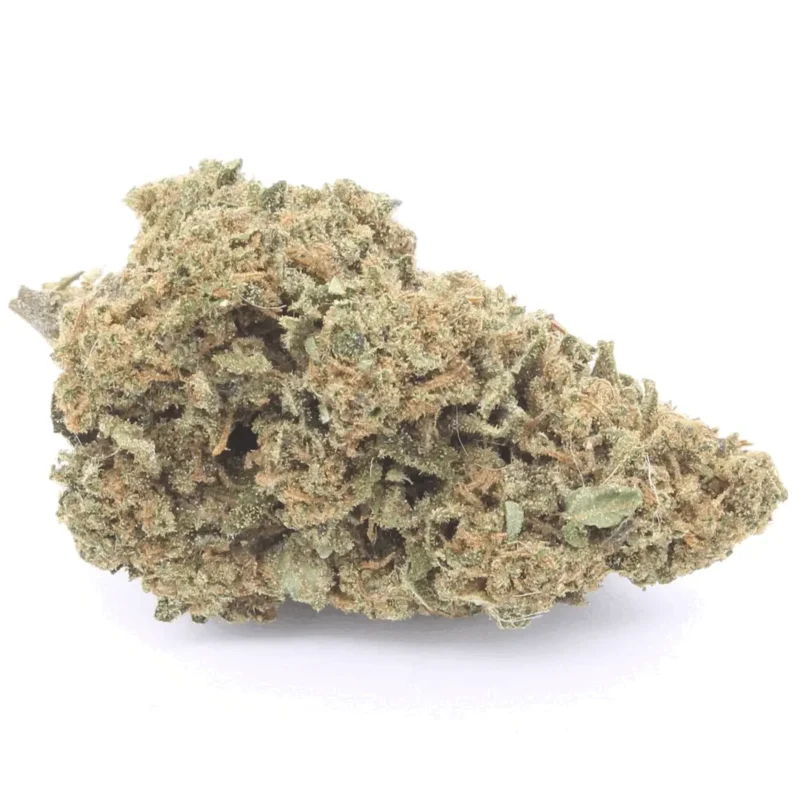
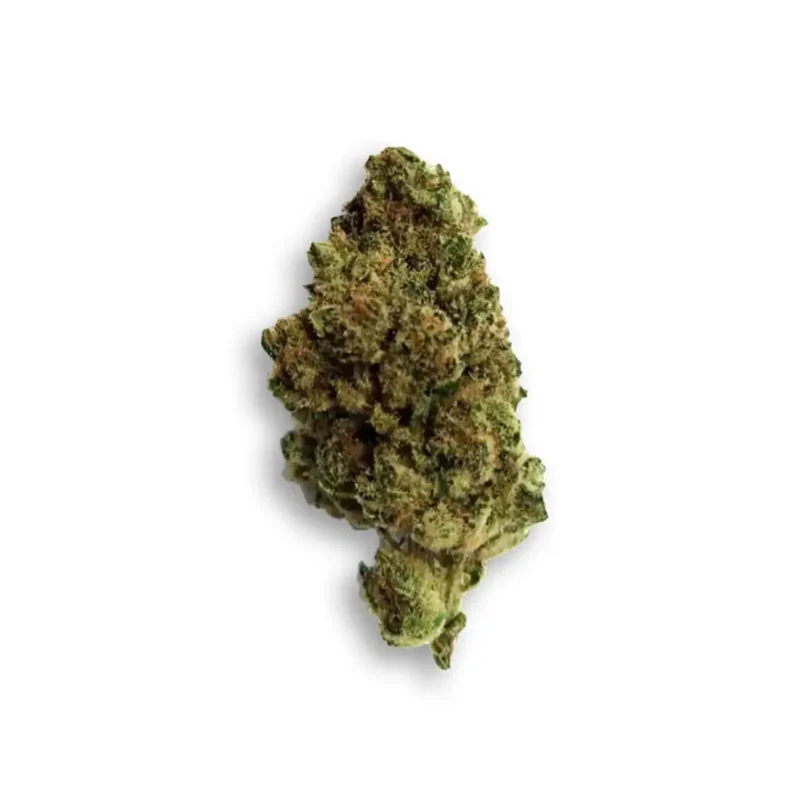
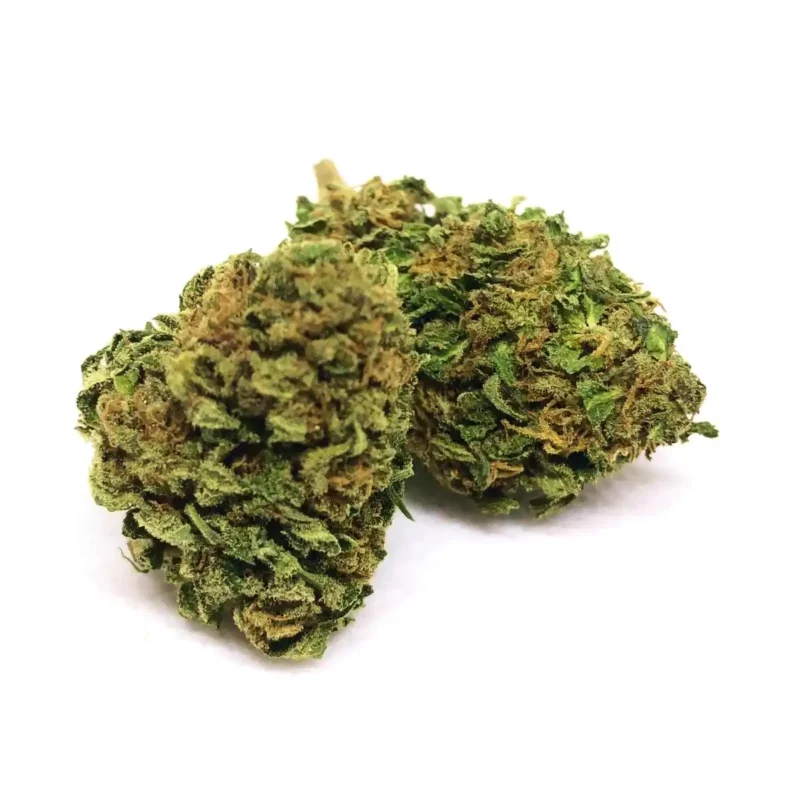
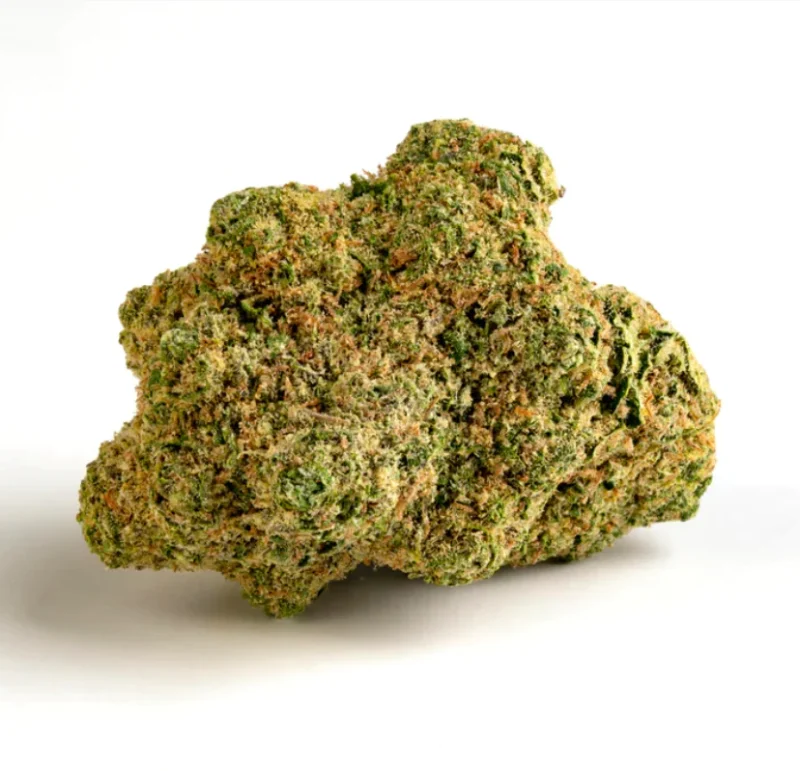
- Female plants develop denser inflorescences
- Male plants produce lighter and less compact flowers
Female plants have a greater presence of trichomes, small glandular structures visible on the surface.
4. Aromas and olfactory profile
Another distinguishing feature concerns the intensity of aromas:
- Female plants tend to develop more pronounced olfactory profiles
- Male plants generally have a less intense odor
These differences are related to the different presence of natural aromatic compounds.
5. Maturation timing
In many cases, male plants enter the flowering phase earlier than female plants.
This can facilitate early recognition of the different types during growth.
The role of male plants
Male plants play a fundamental role in the reproduction of the species, producing pollen necessary for fertilization.
In natural contexts, this process ensures the genetic continuity of the plant.
In other contexts, the presence of pollen can influence the development of female plants, leading them to produce seeds. This phenomenon alters the natural cycle of the plant, shifting its energies toward reproduction.
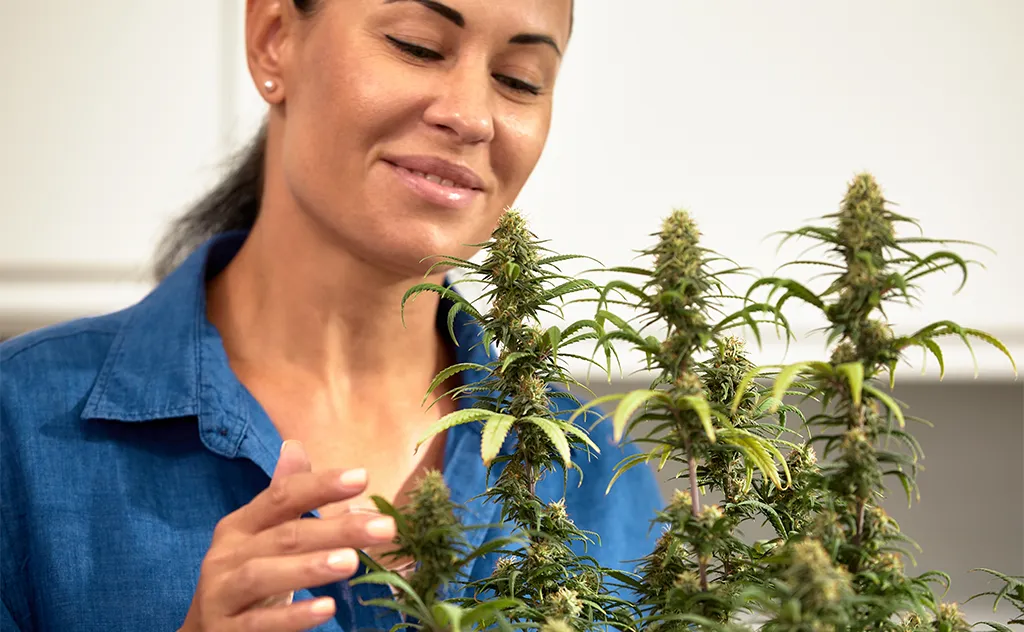
Characteristics of female plants
From a functional standpoint, female plants are unquestionably the stars of the indica and sativa cannabis business.
In particular, female plants exhibit some easily observable characteristics:
- Compact inflorescences
- Visible presence of trichomes
- More branched structure
- Generally more intense aromas
Tichomes, in particular, are natural structures that cover the inflorescences and contribute to the plant’s “crystalline” appearance.
Hermaphroditism in cannabis
Under certain conditions, a plant can develop male and female characteristics simultaneously. This phenomenon is known as hermaphroditism.
It can occur due to several factors, including:
- Suboptimal environmental conditions
- Variations in the light/dark cycle
- Genetic predisposition
There are generally two situations:
- Natural hermaphroditism, linked to genetics
- Induced hermaphroditism, as a response to environmental stress
In these cases, the plant can produce pollen and self-pollinate.
How to distinguish a male plant from a female one
For quick identification, you can observe:
- the presence of pistils → indicative of a female plant
- the presence of pollen sacs → indicative of a male plant
The intensity of the aroma can also provide clues, although this is less precise.
Conclusion
Understanding the difference between male and female plants is not just a botanical notion, but a useful step to better navigate the world of cannabis and its natural characteristics.
Observing the structure, development, and characteristics of inflorescences allows you to gain a more complete understanding of the plant, avoiding superficial interpretations and uninformed approaches.
For those who wish to delve further and discover products selected according to quality standards, visit Maria CBD Oil’s CBD Shop, where information and attention to quality are an important starting point.
An informed and responsible approach remains the key to approaching this world in a balanced and informed way.