Contact us






Are you going through a period where you’re feeling anxious or sad? Do you feel as though you can’t keep up with modern life? Are your to-do lists overwhelming you? And perhaps you can’t even sleep at night?
It’s perfectly normal.
Today’s society imposes a pace on us – between work, leisure and private life – that very often demands more energy than we’re able to give. And, above all, there never seems to be enough time to rest.
And so, you find yourself wondering if there’s a way to feel better.
There are various strategies that can contribute to mental and physical wellbeing, including a balanced diet and a healthy lifestyle. Among the substances involved in these processes is tryptophan.
Have you ever heard of the properties of tryptophan?
-
Product on sale CBD oil 15% (1500mg) Broad SpectrumPrice range: £24.96 through £40.96From 24,96 €
 -
Product on saleCBD oil 25% (2500mg) Broad SpectrumPrice range: £37.76 through £53.76From 37,76 € -
Product on saleCBD oil 5% (500mg) Broad SpectrumPrice range: £11.40 through £26.40From 11,40 €
What is tryptophan?
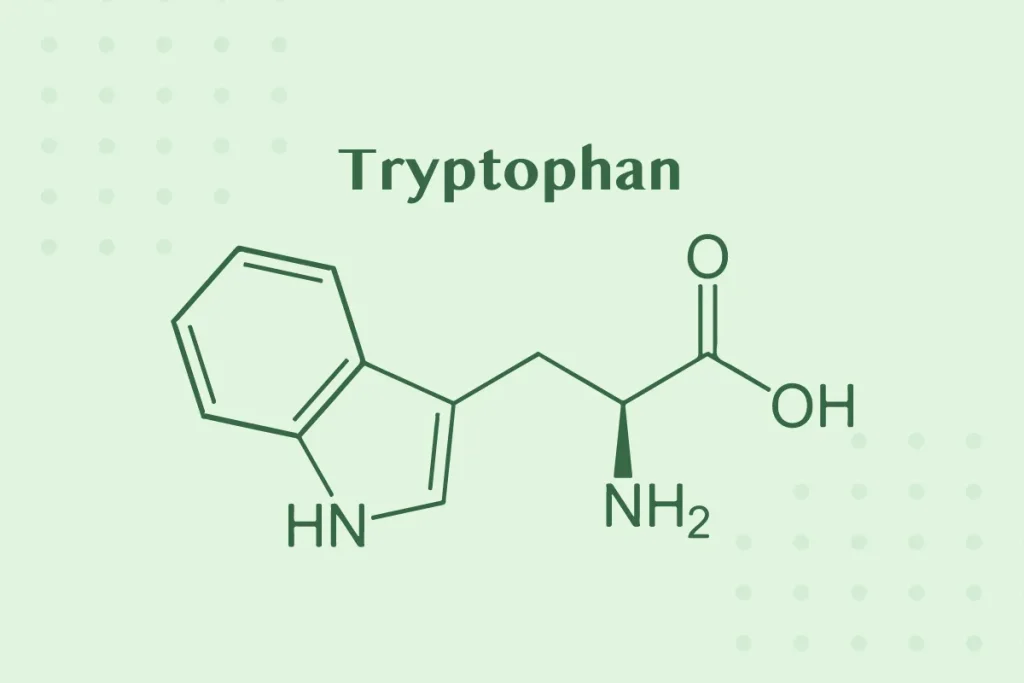
Tryptophan, also known as L-tryptophan, is an essential amino acid. It’s a very interesting amino acid because, as we’ve already mentioned, it’s not produced directly by the body but must be consumed through the diet.
How does it affect serotonin?
Very simply: when ingested, the body converts it into serotonin. And, in fact, even small amounts of tryptophan are enough for the body to increase serotonin levels.
Tryptophan is important for several vital functions of our metabolism and physical and mental well-being because it is:
- A component of proteins: it is one of the building blocks of proteins and is therefore essential for the growth, repair, and maintenance of body structures;
- A precursor of serotonin: serotonin promotes feelings of happiness and tranquility;
- A precursor of niacin: a B vitamin that participates in energy production processes at the cellular level and is important for the functioning of the nervous system, the immune system, and the skin.
But let’s try to understand what the benefits of tryptophan are and why it is so important for our psychophysical well-being.
Tryptophan: Benefits
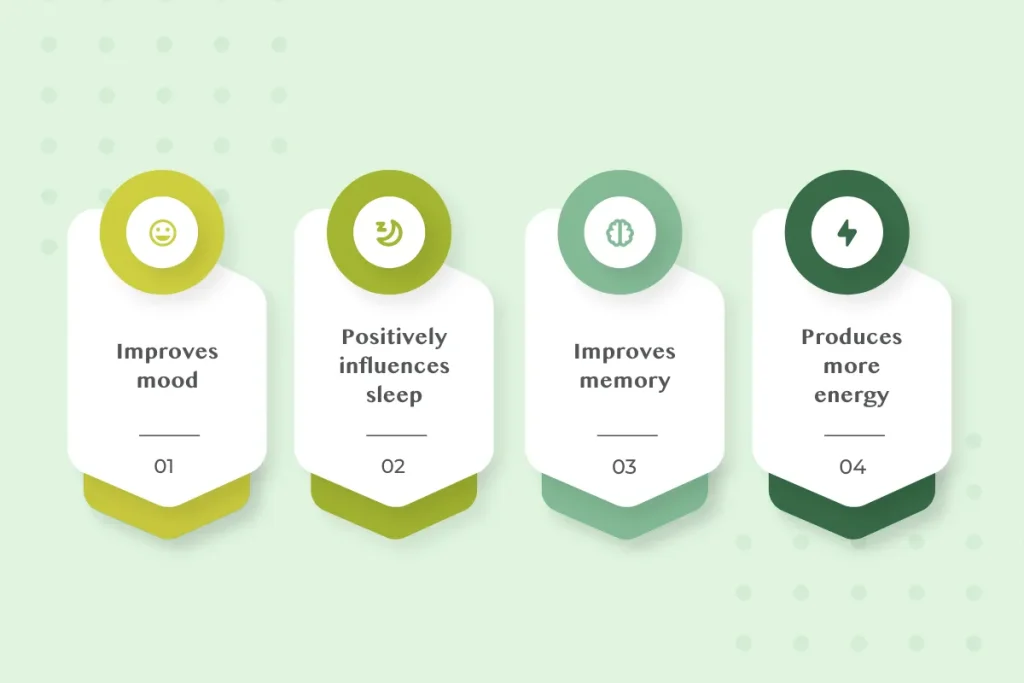
As a precursor to serotonin and melatonin, tryptophan can contribute to several bodily functions:
| Possible benefit | Role of tryptophan |
| Mood support | Tryptophan is the precursor to serotonin, a neurotransmitter involved in mood regulation. Some studies suggest that adequate tryptophan intake may contribute to normal emotional balance, but it is not a treatment for anxiety or depression. |
| Support for sleep quality | As a precursor to serotonin, from which melatonin is also derived, tryptophan can contribute to a normal sleep-wake cycle. Adequate dietary intake can promote relaxation as part of a healthy lifestyle. |
| Support for cognitive functions | Some research has observed a possible association between adequate tryptophan intake and certain cognitive functions, such as memory and concentration. However, the available evidence is still limited and further studies are needed. |
| Energy production | Tryptophan participates in the synthesis of niacin (vitamin B3), a vitamin involved in normal energy metabolism and the conversion of nutrients into energy that can be used by the body. |
| Appetite regulation | Serotonin is also involved in the mechanisms that regulate satiety. For this reason, tryptophan may indirectly contribute to appetite control when included in a balanced diet. |
| Physical activity and recovery | Some studies have suggested a possible role for tryptophan in the perception of fatigue during exercise. However, scientific evidence is still limited and does not support attributing any direct effects on improving athletic performance. |
Although serotonin is naturally produced by the body through the bacteria in our gut, an adequate intake of tryptophan through our diet helps provide the body with the precursor needed for serotonin synthesis.
This is because, from the gut, it cannot reach the central nervous system. This is possible thanks to tryptophan, which, after being ingested, is converted by the body into serotonin, which, in turn, creates melatonin through the pineal gland located in the brain.
Where is tryptophan found?
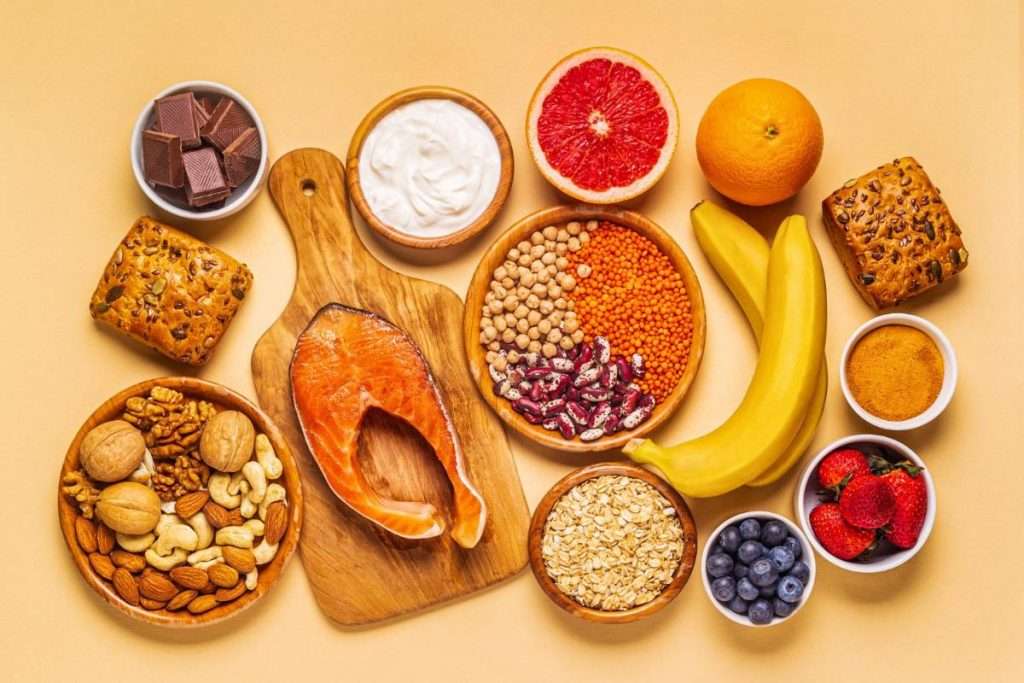
Now that you know all the benefits of this amino acid, you’ll be curious to know which foods contain tryptophan.
Tryptophan is found primarily in protein foods, both animal and plant-based.
Among the animal-based foods richest in tryptophan are:
- Eggs;
- Milk;
- Meat (chicken, turkey, beef);
- Fish (salmon, tuna, cod).
Among the plant-based foods richest in tryptophan are:
- Legumes (raw beans, soybeans, lentils);
- Nuts (dried sweet almonds, hazelnuts, pistachios);
- Seeds (sesame, sunflower, pumpkin);
- Grains (spelt, oats, brown rice).
Other foods that contain tryptophan include dark chocolate, cheese, yogurt, ricotta, spirulina, and bananas.
And which food contains the most tryptophan?
The foods richest in tryptophan per 100 grams are:
Dried sweet almonds (394 mg), which are beneficial for your body in many ways, including tryptophan.
- Soybeans (590 mg);
- Pumpkin seeds (576 mg);
- Parmesan cheese (560 mg);
- Dates (500 mg);
Can supplementing tryptophan in your diet be helpful?
Tryptophan can be consumed not only through the foods listed above, but also through supplements.
But be careful: the concentration of tryptophan in supplements is obviously higher, and you risk overdosing if you don’t follow precise instructions.
In most cases, a varied and balanced diet is sufficient to ensure an adequate tryptophan intake. The possible use of supplements should be discussed with a healthcare professional.
Therefore, don’t believe that dietary tryptophan intake is insufficient to achieve results. Quite the opposite!
This is demonstrated by a 2014 study on the effects of stress and dietary tryptophan enhancement on alcohol cravings in chronic drinkers. By enhancing tryptophan levels in the diets of alcohol-dependent patients, a possible reduction in alcohol cravings was observed in the participants, precisely because it reduced the stress levels underlying the addiction.
Therefore, following a varied and balanced diet that includes foods rich in tryptophan can contribute to the normal intake of this essential amino acid.
However, if you prefer other methods to naturally integrate tryptophan into your routine, you might consider these tips:
- Some people choose to also include substances like CBD and melatonin in their routine. These compounds work through different mechanisms than tryptophan and are not equivalent. Scientific research is studying their possible role in supporting relaxation and sleep quality, but they are not a substitute for a balanced diet or any treatments prescribed by your doctor.
- Combine tryptophan with complex carbohydrate sources such as whole grains, fruits, and vegetables to promote tryptophan transport to the brain and its conversion into serotonin.
- Avoid consuming excessive foods rich in animal proteins, simple sugars, and saturated fats, as they can hinder its absorption and reduce the properties of tryptophan.
- Consume B vitamins, magnesium, and zinc, which are micronutrients involved in tryptophan metabolism and enhance its action.
- Practice moderate and regular physical activity, as it is associated with benefits for psychophysical well-being and can contribute to normal mood balance.
As with any substance, even natural ones, always remember to gradually integrate tryptophan into your daily routine and gradually acclimate your body.
Don’t rush: start with the minimum recommended dose and then gradually increase until you see some changes.
How many mg of tryptophan can you take per day?
There’s no single answer. Tryptophan dosage can vary depending on several factors, such as age, weight, diet, and health.
You can take it daily, in varying amounts and in divided doses throughout the day, depending on the purpose and your specific, individual conditions.
Clinical studies have used different doses of tryptophan, varying based on the research objectives and participant characteristics. These values are not recommended for self-medication. Before taking tryptophan supplements, it’s best to consult your doctor.
We emphasize the importance of consulting your doctor before starting tryptophan supplements. They will determine the dosage best suited to your needs, avoiding possible side effects or interactions with other medications.
What are the side effects of tryptophan?
Natural foods are generally recommended to avoid side effects. However, when dealing with potent substances, allergic reactions or interactions with other substances may occur.
Tryptophan is generally well tolerated. Numerous scientific tests have been conducted and no side effects have been identified, provided the recommended dose is taken.
However, if excessive or inappropriate intake is used, the main side effects that may occur are:
- Drowsiness, dizziness, and reduced alertness: these are the most common and predictable effects of tryptophan, as it promotes the production of serotonin and melatonin. They can be dangerous for those who must drive, work, or perform activities that require attention and concentration;
- Nausea, vomiting, and diarrhea: especially when taken on an empty stomach or in high doses, tryptophan can irritate the gastric and intestinal mucosa, causing digestive disorders and malabsorption;
- Headache, migraine, and hypertension: Although these are the rarest, they are due to its ability to increase blood pressure and cause vasoconstriction.
- Serotonin syndrome: This is a potentially life-threatening condition that occurs when serotonin levels in the brain become too high, caused by a tryptophan overdose or an interaction with other medications or supplements such as antidepressants, anxiolytics, antihistamines, or herbs such as ginkgo biloba or ginseng.
But how long does it take for tryptophan to take effect?
The potential effects can vary greatly from person to person and depend on the method of intake, dosage, and individual characteristics. Regarding supplements, available scientific evidence does not allow us to define a one-size-fits-all response time.
-
Product on saleCBD oil 15% (1500mg) Broad SpectrumPrice range: £24.96 through £40.96From 24,96 € -
Product on saleCBD oil 25% (2500mg) Broad SpectrumPrice range: £37.76 through £53.76From 37,76 € -
Product on saleCBD oil 5% (500mg) Broad SpectrumPrice range: £11.40 through £26.40From 11,40 €
Who should not take tryptophan?
Can everyone take tryptophan safely?
Given the powerful effects of this amino acid, some people should limit its use or even avoid it altogether, including those who:
- Suffer from severe liver or kidney disease, because their body is unable to properly metabolize and eliminate tryptophan;
- Are pregnant or breastfeeding, because there are insufficient studies on the safety of tryptophan in these conditions;
- Have eosinophilia-myalgia syndrome, a rare disorder that causes inflammation and muscle pain and has been associated with the intake of contaminated tryptophan;
- Take antidepressant, antipsychotic, anxiolytic, or other medications that affect serotonin levels, because tryptophan could enhance their effects and cause serotonin syndrome.
For this reason, it is always advisable to consult your doctor or pharmacist before taking tryptophan to assess the need, dosage, and duration of treatment.
The link between tryptophan and CBD
Nature has no shortage of mood-boosting allies: among amino acids like tryptophan and phytocompounds, the cannabinoids in the cannabis light plant stand out for an interesting characteristic.
Specifically, CBD does not directly increase serotonin levels, but interacts with the endocannabinoid system, a network involved in numerous physiological functions, including sleep regulation, appetite regulation, and stress response.
Some research has evaluated CBD’s possible role in supporting relaxation and sleep quality. However, studies are still ongoing, and the evidence does not support considering it a treatment for sleep disorders, anxiety, or depression.
The market offers different forms of administration, each with its own timing and method:
Sublingual CBD oil:
CBD herbal teas
CBD gummies
CBD flowers
The choice depends on your routine, personal preferences, and goals.
If you’re interested in the potential benefits of CBD, we invite you to discover Maria CBD Oil’s products, including oils, herbal teas, gummies, cannabis flowers, and much more. Visit our online shop to see our full range of CBD products.
-
Product on saleCBD oil 15% (1500mg) Broad SpectrumPrice range: £24.96 through £40.96From 24,96 € -
Product on saleCBD oil 25% (2500mg) Broad SpectrumPrice range: £37.76 through £53.76From 37,76 € -
Product on saleCBD oil 5% (500mg) Broad SpectrumPrice range: £11.40 through £26.40From 11,40 €
FAQ
Tryptophan is primarily found in protein-rich foods such as soy, pumpkin seeds, parmesan cheese, turkey, chicken, fish, eggs, milk, legumes, almonds, and nuts. Some whole grains and dark chocolate also provide good amounts.
Tryptophan is an essential amino acid used by the body to produce serotonin, melatonin, and niacin (vitamin B3). It therefore contributes to mood, sleep quality, and proper nervous system function.
Requirements vary based on age, weight, and individual conditions. For most people, a balanced diet is sufficient to cover daily requirements. The use of supplements should be discussed with your doctor.
In general, tryptophan and CBD work by different mechanisms, and many people include them in the same bedtime routine. However, if you take medications, suffer from any medical conditions, or use specific supplements, it is always advisable to consult your doctor before combining multiple substances.