Contact us






Medical cannabis is playing an increasingly important role in the treatment of chronic pain, especially in cases where traditional therapies prove ineffective or burdened by significant side effects. With the new Strada Law, patients undergoing treatment may also be required to demonstrate medical use through a digital cannabis card.
Chronic pain is a complex condition that profoundly impacts the quality of life of millions of people. For this reason, the scientific community is exploring the potential of cannabis and its main compounds, including CBD, for chronic, neuropathic, and inflammatory pain.
Despite growing interest, the medical use of cannabis remains a regulated and debated topic. Understanding the differences between medical cannabis and CBD, as well as their impact on the body, is essential to informed assessment of their potential contribution to patient well-being.
Does cannabis benefit chronic pain?
Medical cannabis is a plant with a long history of use for the treatment of a variety of medical conditions, including chronic pain. Evidence suggests that cannabis may be effective on different levels.
Here are some of the potential benefits of medical cannabis for chronic pain:
- Pain reduction: Cannabis can be effective in reducing both acute and chronic pain, which persists even after the cause of the pain has been eliminated;
- Improved sleep quality: It can improve sleep quality for those suffering from insomnia due to pain;
- Reduction of anxiety and depression: It can reduce symptoms of anxiety and depression in people whose daily lives are limited by pain.
If you are considering using medical cannabis for chronic pain, it is important to speak with your doctor. A specialist can help you determine if cannabis is the right treatment for you, as well as find the dosage and administration method best suited to your needs.
What science says about medical cannabis
Medical cannabis for chronic pain is undoubtedly one of the hottest scientific topics, and numerous studies have been conducted, including:
- Medicinal Cannabis for Treatment of Chronic Pain, 2025: A study involving 984 patients with chronic pain revealed that two-thirds of participants reported significant improvement in pain and improved sleep quality thanks to the use of medical cannabis.
- Living Systematic Review on Cannabis and Other Plant-Based Treatments for Chronic Pain, 2025: Experts comprehensively analyzed clinical studies on cannabis and plant-based treatments for chronic and subacute pain in adults, highlighting clinically relevant benefits in pain relief across various settings and documenting evidence of positive effects in certain pain conditions.
- Cannabidiol (CBD): A Systematic Review of Clinical and Preclinical Evidence in the Treatment of Pain, 2024: A systematic review indicating that CBD has shown clinical and preclinical evidence in reducing chronic and inflammatory pain, due to its analgesic and anti-inflammatory properties, suggesting potential benefit in the treatment of persistent pain.
-
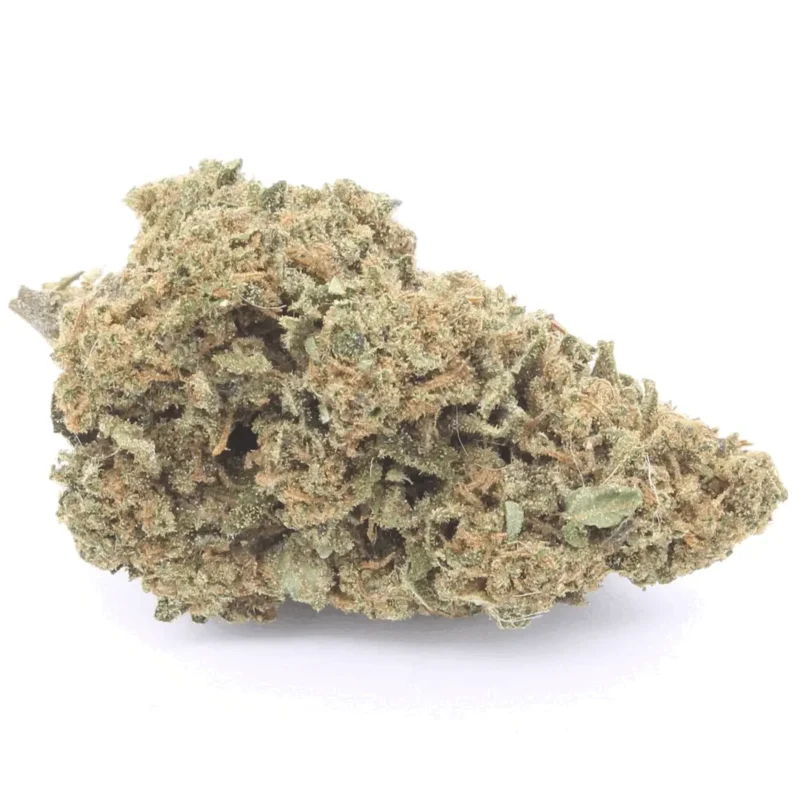
Product on sale Ak47Price range: £2.98 through £195.08From 0,64 €/gr
 -
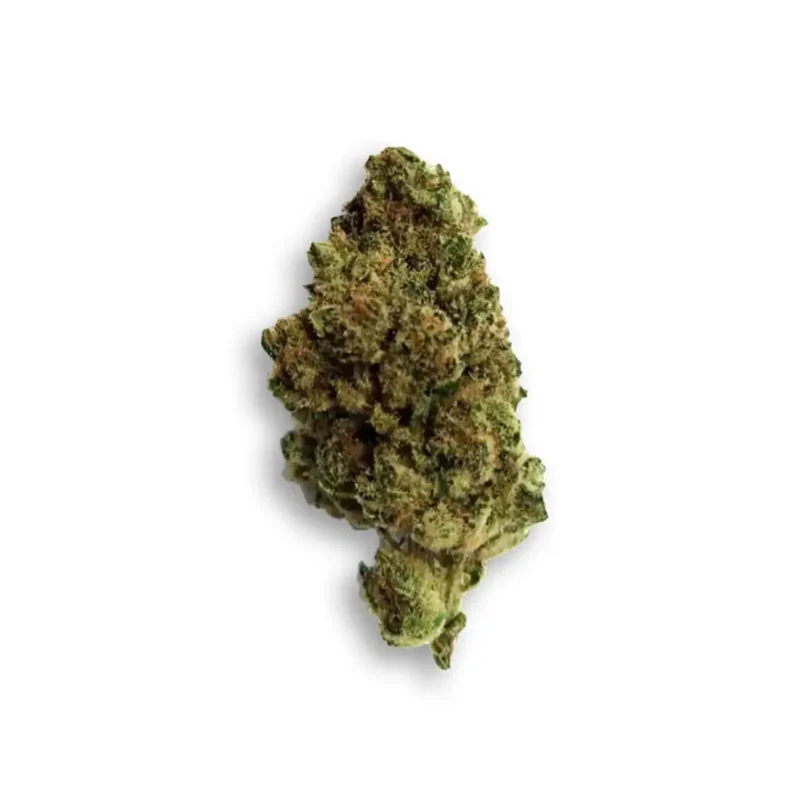
Product on saleAmnesia HazePrice range: £2.98 through £252.88From 0,64 €/gr -
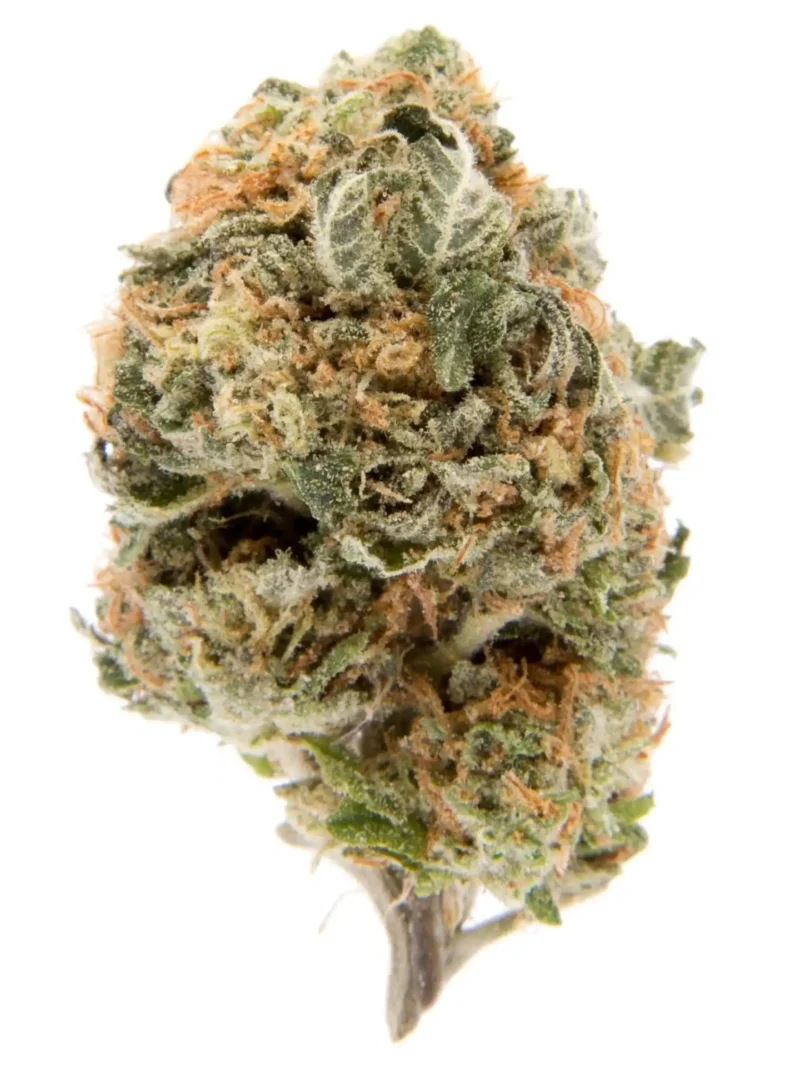
Product on sale BlueberryPrice range: £2.98 through £195.08From 0,64 €/gr
 -
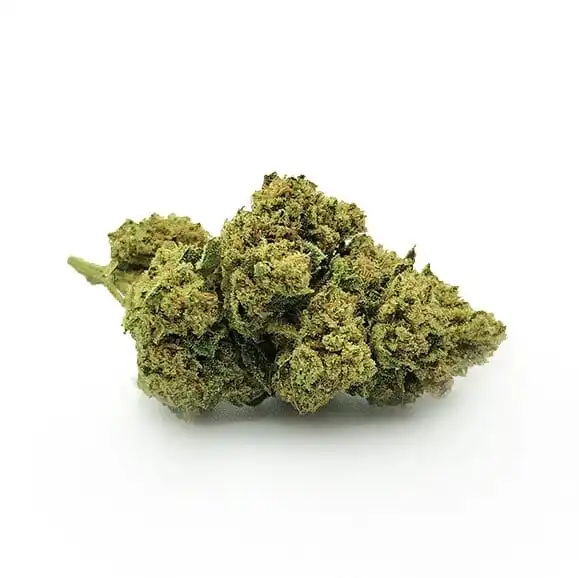
Product on sale BubblegumPrice range: £2.98 through £195.08From 0,64 €/gr
 -
Product on sale Candy KushPrice range: £2.98 through £252.88From 0,64 €/gr
 -
Product on saleGorilla GluePrice range: £2.98 through £252.88From 0,64 €/gr -
Product on sale Grand Reserve Super SkunkPrice range: £2.98 through £195.08From 0,64 €/gr
 -
Product on saleGreen CrackPrice range: £5.78 through £252.88From 2,53 €/gr -
Product on sale Jack HererPrice range: £2.98 through £252.88
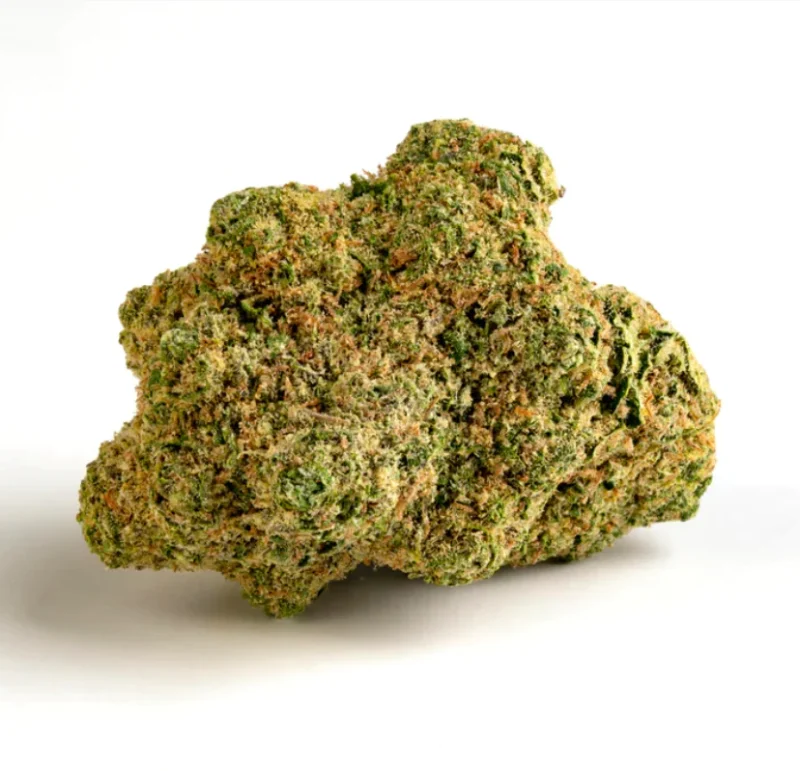
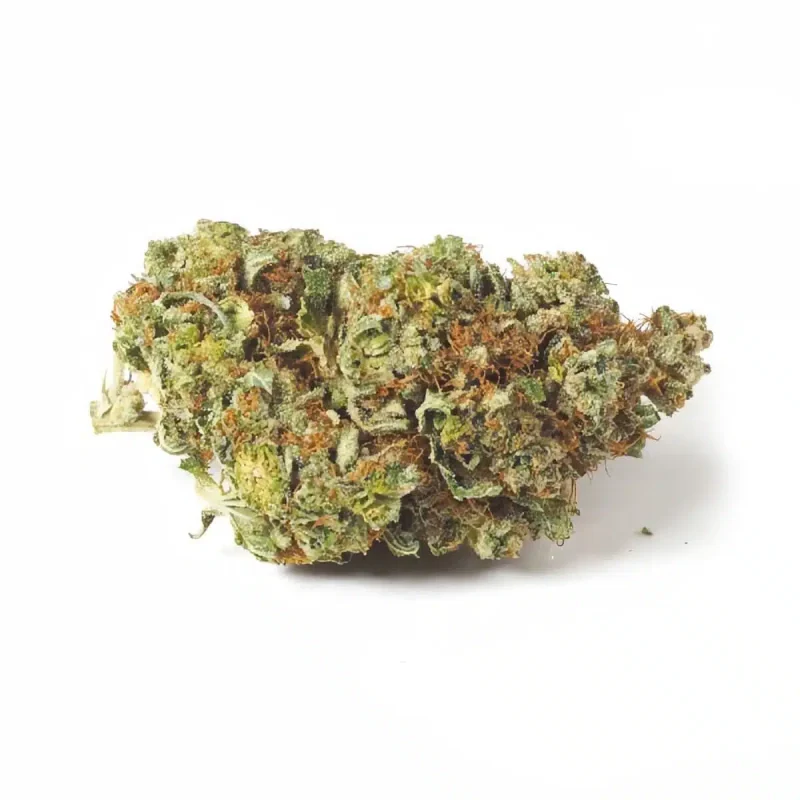
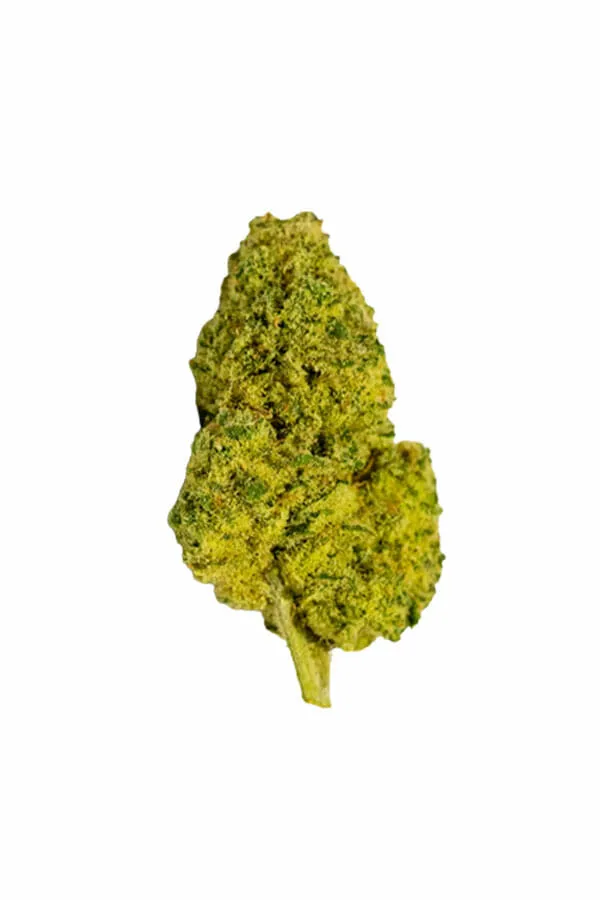
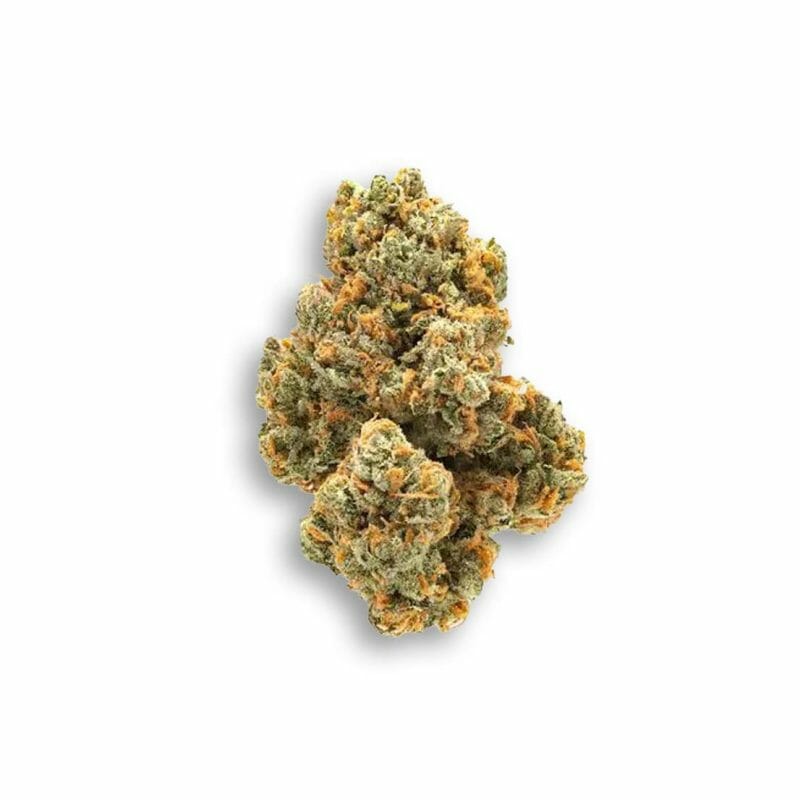
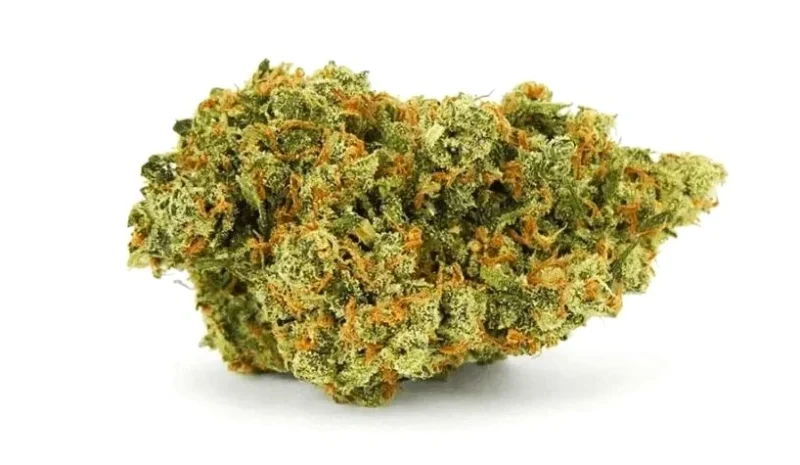
What cannabis is considered therapeutic?
In the United Kingdom, medical cannabis refers to cannabis-based medicinal products that are prescribed by specialist doctors for specific medical conditions. Since 2018, specialist clinicians have been legally allowed to prescribe medical cannabis when they believe it is appropriate and other treatment options have not provided sufficient relief.
At this point, it’s important to distinguish between medical cannabis and CBD cannabis. CBD cannabis contains very low levels of THC (tetrahydrocannabinol), the compound responsible for the psychoactive effects of cannabis. CBD products are legally available in the UK provided they comply with current regulations and contain only trace amounts of THC.
Medical cannabis, on the other hand, may contain higher levels of THC depending on the prescribed formulation. As a result, it can produce psychoactive effects. CBD-rich products, however, are valued for their potential therapeutic benefits without causing the “high” typically associated with THC.
Which type of cannabis is most effective for pain?
The most effective type of cannabis for pain depends on the individual and the condition being treated. Research suggests that both THC/CBD combination products and CBD-dominant formulations may help relieve certain types of pain, particularly chronic and neuropathic pain. CBD has gained increasing attention within the scientific community for its potential analgesic and anti-inflammatory properties, while offering a favourable safety profile and a lower risk of psychoactive side effects compared with THC.
How is medical cannabis taken?
| Method of intake | How it works | Main features |
| Oral route | Intake via decoction (inflorescences boiled in water), CBD oil or capsules | More gradual and prolonged effect over time; suitable for continuous therapies |
| Inhalation route | Inhalation of the steam produced by vaporizers that heat inflorescences or oil | Rapid absorption of cannabinoids; more immediate effect |
| Topical use | Application of cannabis-based creams, gels, or ointments to the skin | Indicated for localized pain and inflammation; targeted action |
What are the side effects of medical cannabis?
The side effects of medical cannabis can vary from person to person and depend on several factors, such as the method of administration, the dose, individual sensitivity, and pre-existing medical conditions.
Common side effects:
- Dry mouth;
- Red eyes;
- Drowsiness;
- Alterations in perception, such as visual or auditory distortions;
- Anxiety and paranoia;
- Memory and learning problems (with prolonged use);
- Tachycardia;
- Low blood pressure.
Less common side effects:
- Dizziness;
- Nausea and vomiting;
- Abdominal pain;
- Increased appetite;
Difficulty breathing, in people with pre-existing respiratory conditions.
It is important to note that most side effects of medical cannabis are mild and temporary. The risk of serious side effects is low, especially when taken under the supervision of a doctor. There are also several strategies to minimize side effects, such as starting with low doses and increasing gradually, choosing the most suitable administration method, and informing your doctor of any side effects that occur.
Where to buy cannabis for medical use?
Medical cannabis is considered a drug and, in Italy, can only be purchased with a prescription from authorized pharmacies. This is because products intended for the public must have a THC content of less than 0.2%: above this threshold, use is permitted exclusively for medical purposes.
Legal CBD-based weed, on the other hand, can also be purchased freely online, without a prescription. While more accessible, it’s always advisable to seek medical advice, especially to determine the most appropriate dosage.
For those seeking a natural alternative to treating pain, anxiety, or insomnia, CBD represents an effective solution free of psychoactive effects. Maria CBD Oil offers a select range of legal weed and quality CBD products, such as oils, capsules, and creams, designed to promote natural and conscious well-being.
FAQ
Therapeutic cannabis is a drug prescribed by a doctor, used above all for the treatment of chronic, neuropathic pain and some pathologies resistant to traditional therapies.
Medical cannabis contains THC over 0.2% and can only be purchased in pharmacies with a prescription. Legal weed, on the other hand, is CBD-based, has THC within the legal limits and can be purchased freely.
Yes. Medical cannabis has been legal in the UK since November 2018. However, it can only be accessed with a prescription from a specialist doctor for eligible patients. Cannabis-based medicinal products are prescribed when clinically appropriate, typically after other treatment options have not provided sufficient benefit. Patients should only obtain medical cannabis through licensed healthcare providers and registered pharmacies.