Contact us





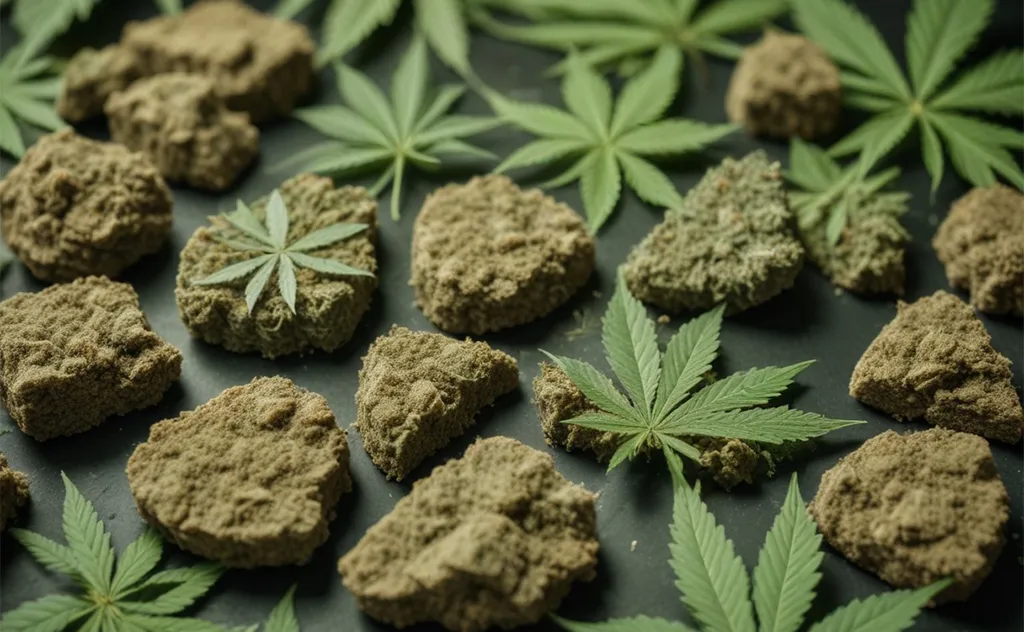
Today’s focus is on hashish, a concentrated cannabis derivative known for its rich aromas and consistencies, which vary greatly depending on its origin and production method.
There are many famous hashish varieties.
From Afghan hashish, known for its elastic consistency and intense aroma, to Moroccan hashish, prized for its earthy flavor and smoothness, each type offers a unique experience to consumers.
But among all this choice, which hashish should you choose?
Read on to discover the types of hashish you can find in UK and around the world, to guide you in your cannabis journey.
What is hashish?
You may have heard it referred to as smoke.
It is a substance derived from the Cannabis sativa plant, obtained by processing the resin, “kief” (hence the eponymous strain Kief CBD), from the plant’s female inflorescences, which contain high concentrations of cannabinoids.
Hashish differs from herbal cannabis in:
- A higher CBD and THC content
- More intense and long-lasting effects
- A compact solid, dark brown to greenish-black in color
In many countries, there are variants of legal or light hashish, with less than 0.2% THC.
How many types of hashish are there?
The UK has a diverse hash market, with products originating from several cannabis-producing regions around the world. Among the most common varieties are Moroccan hash, Dry Sift hash, Nepalese hash, Afghan hash, and Pakistani hash. In recent years, premium resin products made using modern extraction techniques have also become increasingly popular.
Below, we explore the most common types of hash available in the UK, highlighting their main characteristics and traditional production methods.
1. Dry Sift Hash
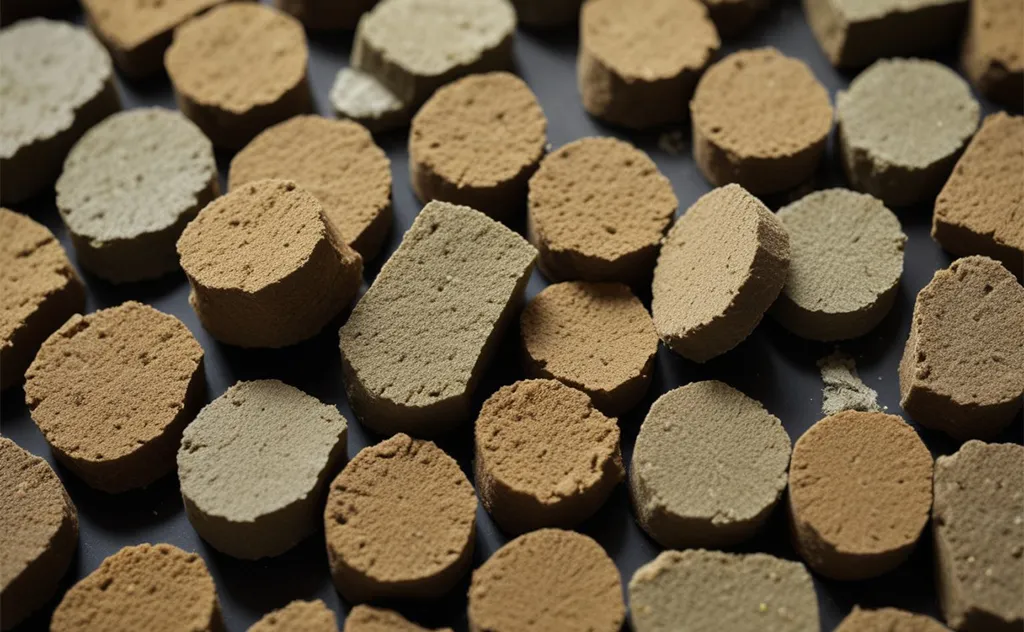
Dry Sift hash is one of the oldest and most widely used cannabis concentrates. It is produced using a solventless extraction method that separates the trichomes from the plant material.
How is it made?
- Sieving: Dried cannabis flowers are passed through a series of fine mesh screens to separate the trichomes from the plant material.
- Collection: The trichomes are collected as a fine golden powder known as kief.
- Pressing: The kief is compressed into solid blocks or slabs of hash.
Advantages
- High concentration of cannabinoids.
- Simple, solvent-free production process.
- A relatively pure product with minimal plant material.
Disadvantages
- Yield depends on the quality of the cannabis flowers used.
- Some terpene loss may occur during sieving and pressing.
2. Hand-Rubbed Hash (Charas)
Charas is a traditional type of hash made by rubbing fresh cannabis flowers between the hands to collect the resin.
Production method
- Fresh cannabis flowers are harvested.
- The flowers are gently rubbed by hand to release the resin.
- The collected resin is scraped off and shaped into balls or blocks.
Advantages
- Traditional, artisanal production method.
- Rich and distinctive aroma.
- Preserves many of the plant’s natural aromatic compounds.
Disadvantages
- Labour-intensive process.
- Limited production yields.
- Final quality depends heavily on the producer’s technique.
3. Moroccan Hash
Moroccan hash is the most widely available type of hash in the UK due to Morocco’s proximity to Europe and its long-standing reputation as a major producer.
Characteristics
Appearance: Usually sold in pressed slabs ranging from light brown to dark brown or greenish-brown. Texture can vary from dry and crumbly to soft and pliable.
Aroma: Earthy, resinous and spicy, with some modern varieties displaying fruity or citrus notes.
Flavour: Rich, earthy and spicy with a smooth resinous finish.
Moroccan hash is traditionally produced by dry-sifting dried cannabis flowers before pressing the resin into blocks. Premium grades made using multiple sieving processes have become increasingly common.
-
Product on sale Moroccan HashPrice range: £6.84 through £325.13From 3,25 €/gr
4. Afghan Hash
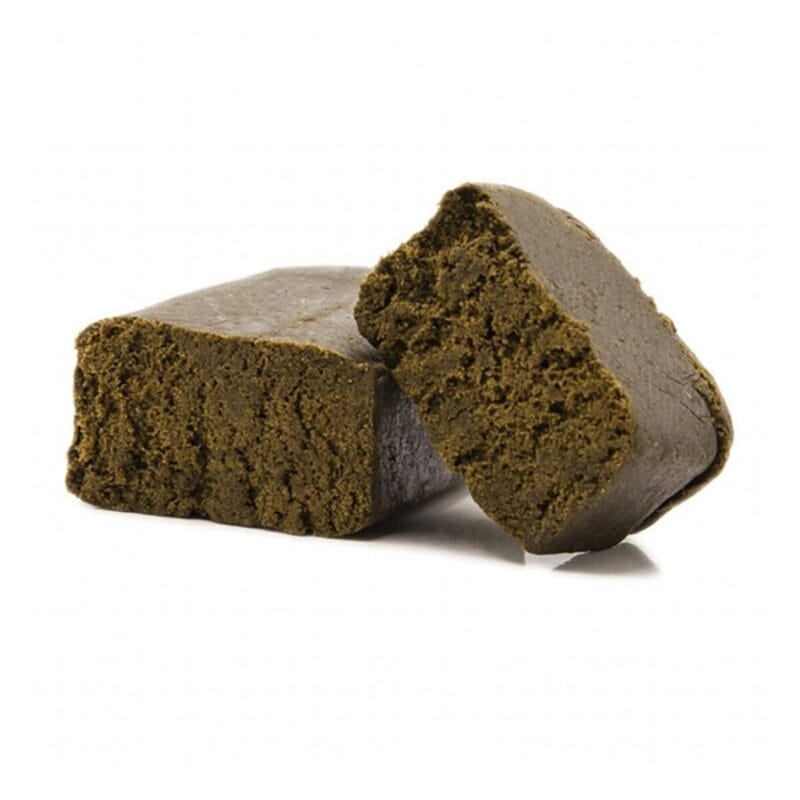
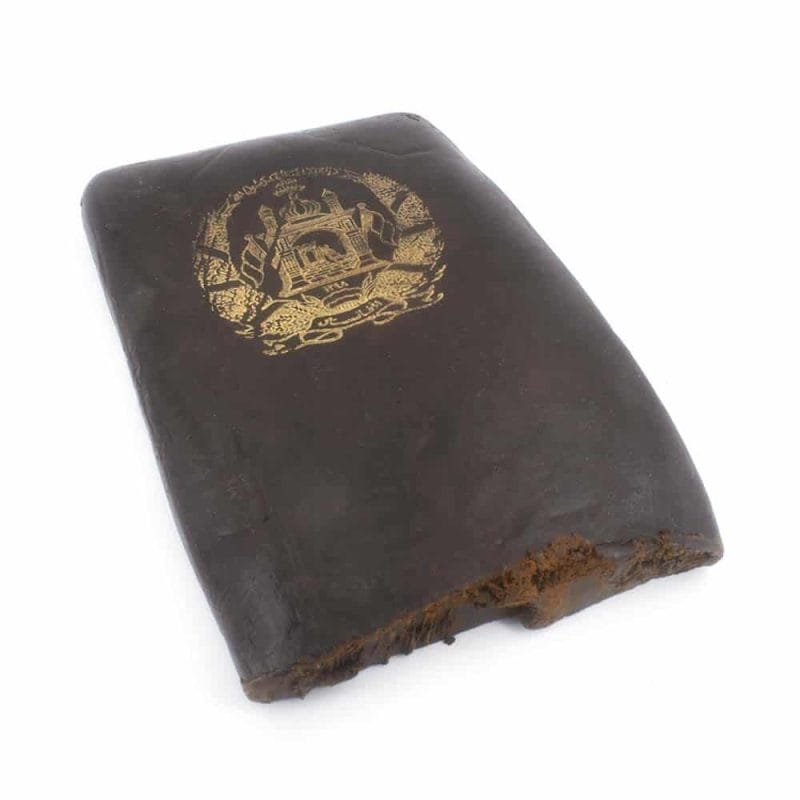
Afghan hash is renowned for its dense texture and rich aromatic profile. It has been produced for centuries using traditional techniques.
Characteristics
Appearance: Very dark brown or black exterior with a softer brown interior and a dense, pliable consistency.
Aroma: Deep earthy notes with hints of pine, incense, wood and spices.
Flavour: Full-bodied and rich with a complex, long-lasting taste.
Traditional Afghan hash is produced using time-honoured resin collection and pressing techniques passed down through generations.
-
Product on saleAfghanPrice range: £7.23 through £424.15From 4,24 €/gr
5. Pakistani Hash
Pakistani hash shares similarities with Afghan hash but has its own distinctive production methods and flavour profile.
Characteristics
Appearance: Compact, dark blocks of resin.
Aroma: Strong earthy and spicy fragrance.
Flavour: Bold, robust and slightly sharp.
Production is concentrated mainly in the Khyber Pakhtunkhwa region, where traditional resin-making techniques have been practised for centuries.
-
Product on sale Pakistan | Legal HashishPrice range: £6.84 through £325.13From 2,27 €/gr
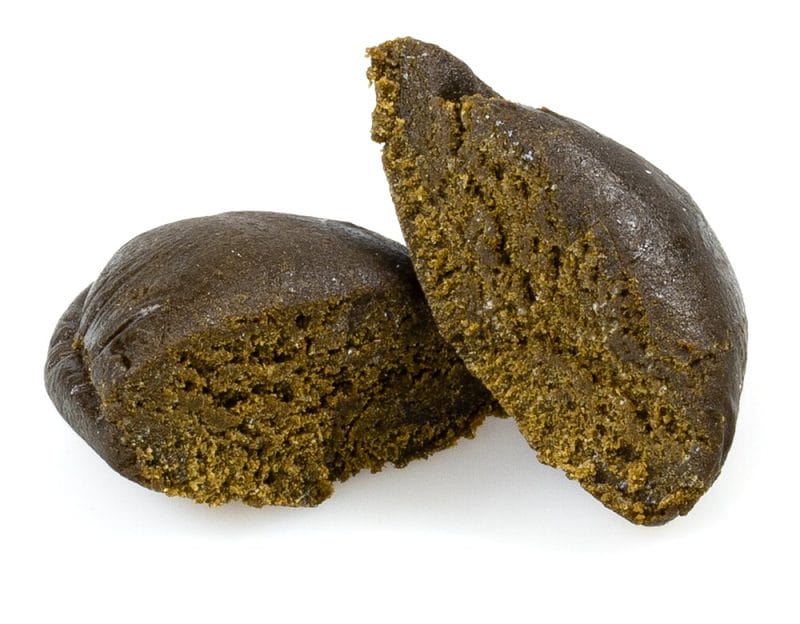
6. Nepalese Hash
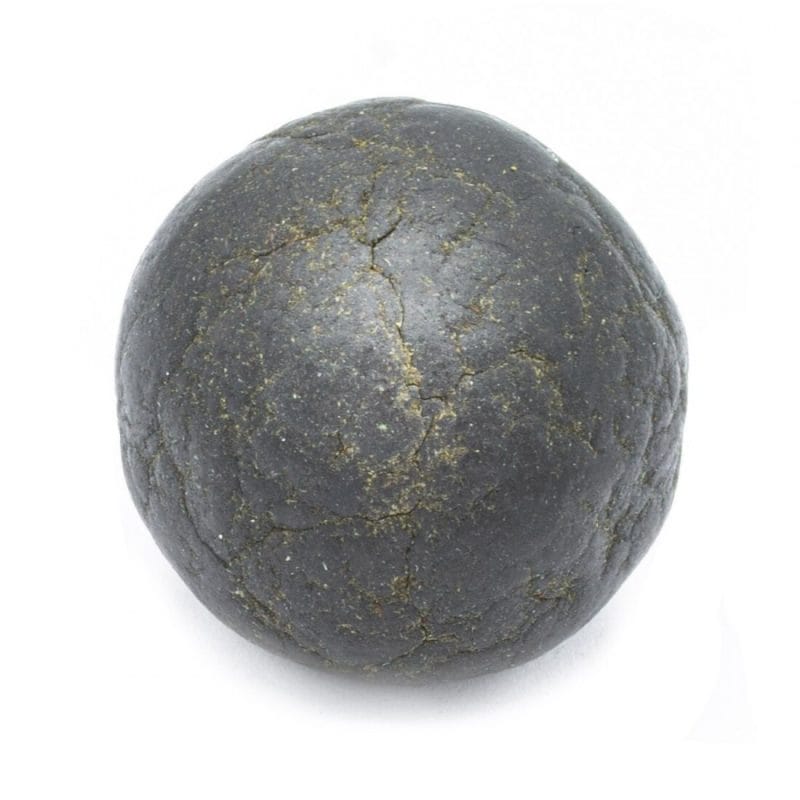
Nepalese hash is highly regarded for its traditional craftsmanship and long history in the Himalayan region.
Characteristics
Appearance: Dark brown to black with a soft, sticky texture.
Aroma: Earthy, woody and spicy with subtle floral notes.
Flavour: Rich and complex with herbal and woody undertones.
It is traditionally produced by collecting resin from cannabis plants using hand-rubbing techniques that have been practised in Nepal for generations.
-
Product on saleNepal Temple Ball | Legal HashishPrice range: £7.23 through £361.25From 2,22 €/gr -
Product on saleNepalese | Hashish LegalePrice range: £6.84 through £325.13From 3,25 €/gr
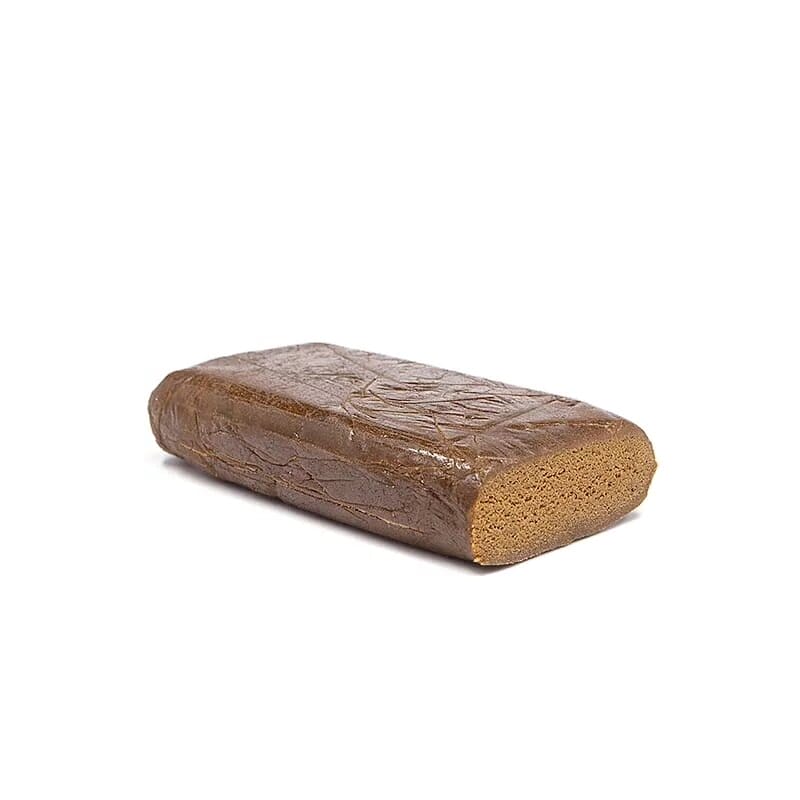
7. Other types of hash available in the UK
In addition to traditional varieties, the UK market increasingly offers modern cannabis resin products, including:
- Premium Dry Sift
- Static Hash
- Frozen Hash
- Ice-O-Lator (Bubble Hash)
- Rosin Hash
- Lebanese Hash
- Indian Charas
These products differ mainly in their extraction methods, texture, aromatic profile and overall resin quality, offering consumers a wide variety of options within the UK hash market.
-
Product on sale Gold Lebanese (Limited Edition) | Legal HashishPrice range: £7.23 through £361.25From 3,61 €/gr
 -
Manali CreamPrice range: £9.00 through £450.00From 4,50 €/gr
-
Product on saleNepal Temple Ball | Legal HashishPrice range: £7.23 through £361.25From 2,22 €/gr -
Product on sale Red Lebanese | Legal HashishPrice range: £7.23 through £361.25From 3,61 €/gr
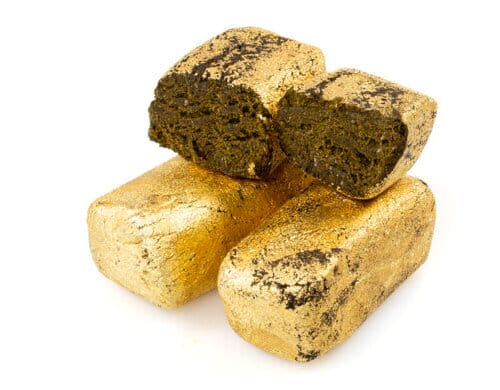
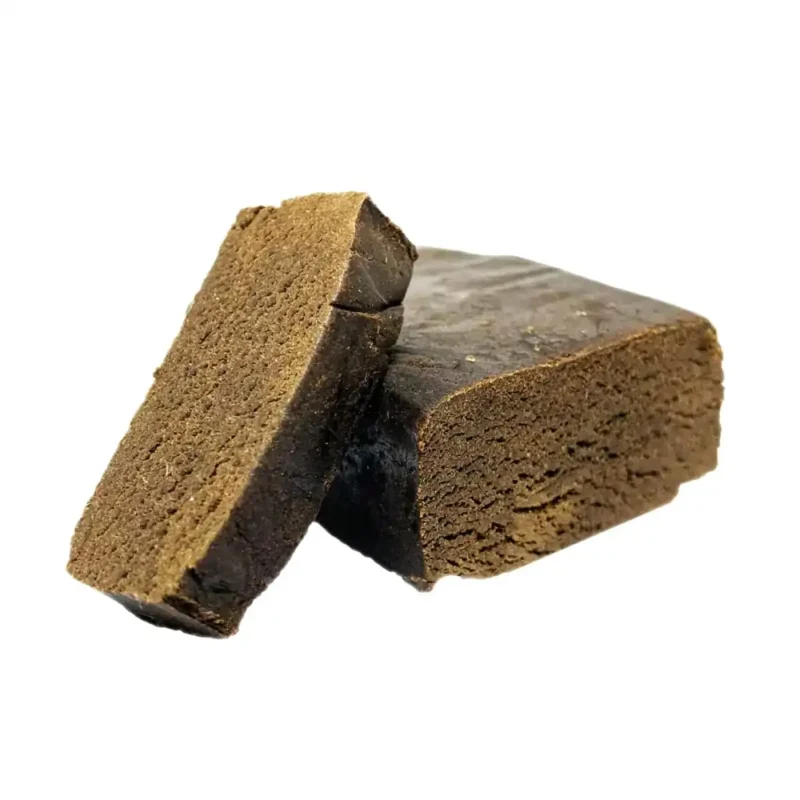
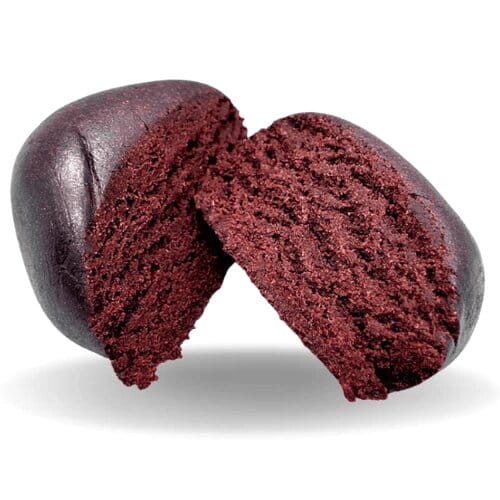
Types of hashish according to the extraction method
With the evolution of extraction technologies, numerous techniques have emerged for obtaining high-potency cannabis concentrates.
Each method influences the characteristics of hashish, determining its color, aroma, consistency, and intensity, contributing to a broad and diverse range of products.
| Solvent-free extractions | Use of solvents | Main techniques | Characteristics of hashish | Aromatic profile and quality |
| Solvent-free extractions | No | Hand skimming, dry extraction, manual or mechanical compression | Hashish of variable consistency, from powdery to compact | Intense and natural aroma, excellent preservation of terpenes and cannabinoids |
| Solvent extractions | Yes (butane, propane, ethanol) | BHO, PHO, ethanol extraction | Very powerful and pure concentrates | Defined aromatic profile, high concentration of cannabinoids |
| Supercritical CO₂ extraction | Yes (CO₂) | Controlled high pressure extraction | Highly pure and stable product | Clean and balanced aroma, consistent high quality |
| Water Extraction (Bubble Hash) | No | Water and ice, progressive mesh sieves | Buttery or grainy consistency | Aromatic profile faithful to the plant, natural method |
| Pure cannabis extracts | Yes (solvents or CO₂) | Distillation, isolation, crystallization | Oils, distillates, isolates or crystals | Maximum purity, variable or neutral aromatic profile |
What is the best hashish?
Deciding which hashish is best depends on personal preference, as there are many types, from traditional methods to more modern extractions, each with its own characteristics.
Some strains are prized for their quality and potency, others for their aroma, consistency, or production method. In any case, it’s essential to consume responsibly and within the law.
For those who want to experience the benefits of cannabis without the psychoactive effects, light cannabis alternatives represent a safe and regulated solution.
Visit Maria CBD Oil’s CBD Shop!