Contact us





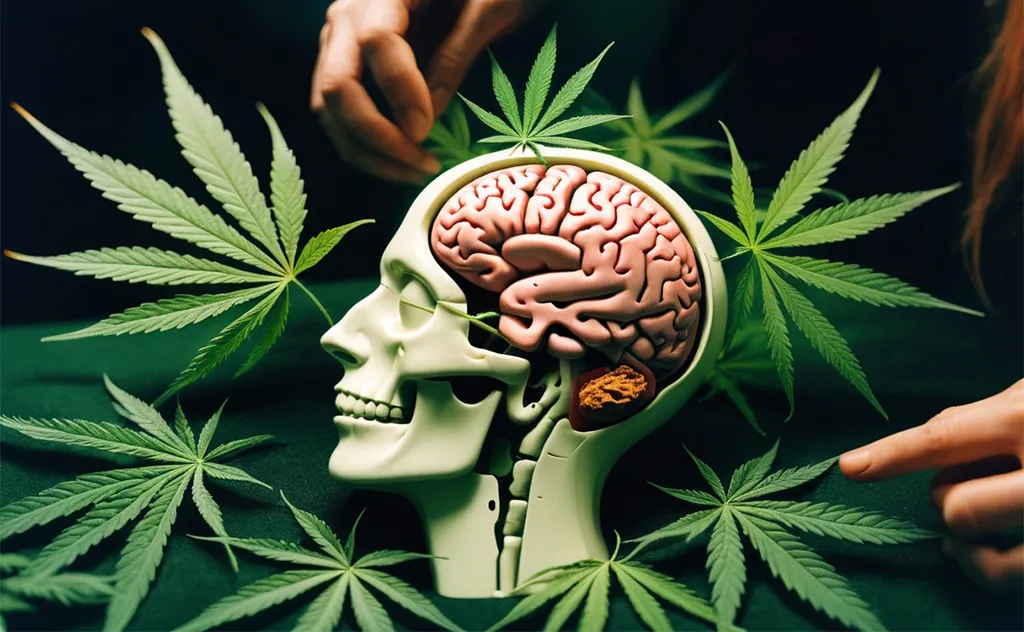
In recent years, CBD has become one of the most discussed topics in the field of mental well-being and brain health.
Among the most frequently asked questions, one is the most intriguing: what is the real relationship between CBD and memory?
Many people still associate cannabis with mental confusion or loss of concentration, but this perception almost always stems from THC, not CBD.
Cannabidiol is a non-psychoactive molecule that is attracting scientific research interest for its possible involvement in certain biological processes related to the nervous system and the stress response.
In a context characterized by information overload, constant stimuli, and mental fatigue, the topic of cognitive well-being is increasingly central, and CBD is often cited in popular science when discussing balance and attention.
-
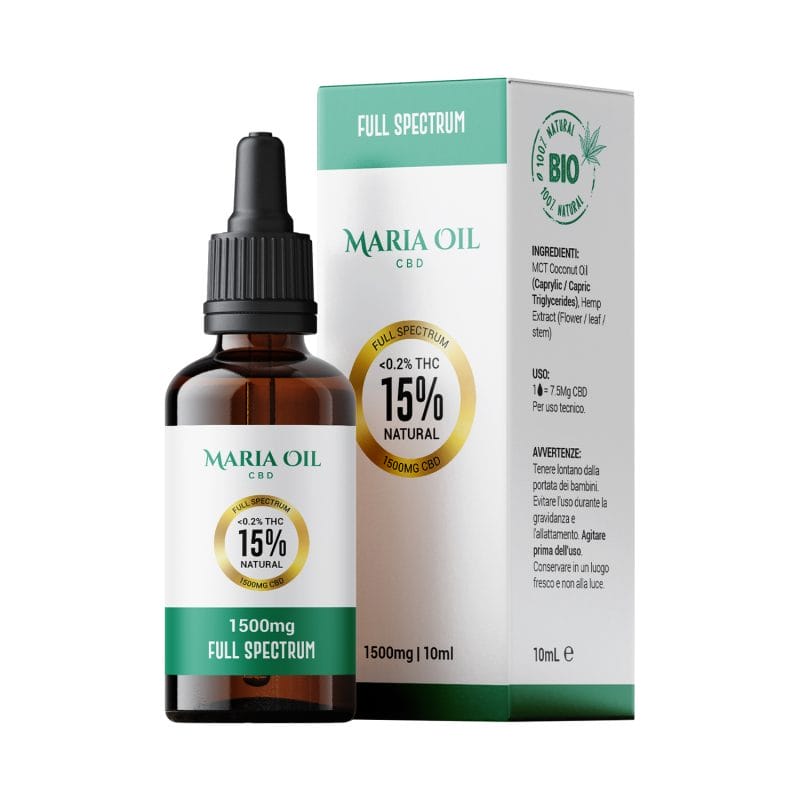
Product on sale CBD Oil 15% (1500mg) Full SpectrumPrice range: £24.96 through £40.96From 24,96 €
 -
Product on saleCBD Oil 25% (2500mg) Full SpectrumPrice range: £37.76 through £53.76From 37,76 € -
Product on saleCBD Oil 30% (3000mg) Full SpectrumPrice range: £44.16 through £60.16From 44,16 €


CBD and THC: why they shouldn’t be confused
To understand the relationship between CBD and cognitive function, it is important to distinguish cannabidiol from THC.
THC is primarily responsible for the psychotropic effects of cannabis and is being studied for its possible association with temporary alterations in attention and memory.
CBD, on the other hand, is not a psychoactive substance and does not cause euphoria or alterations in consciousness.
From a biological perspective, THC interacts directly with CB1 receptors in the central nervous system, while CBD is being studied for its more indirect and modulatory action on various signaling systems.
This difference underpins scientific interest in separately evaluating the role of the two compounds in processes involving brain function.
Can CBD help memory?
Research on the relationship between CBD and memory is still evolving and does not allow definitive conclusions to be drawn.
The available studies, which primarily include preclinical research and preliminary clinical observations, nevertheless contribute to fueling scientific interest in cannabidiol in relation to certain biological processes involving the nervous system.
Specifically, the scientific literature analyzes CBD in relation to:
- Mechanisms associated with oxidative stress at the neuronal level
- Inflammatory processes affecting the nervous system
- Biological factors involved in learning and memorization
These areas of study do not indicate a direct enhancement of memory, but are part of a broader research pipeline exploring the physiological conditions that can influence brain function.
It should also be noted that the observations emerging may vary based on several factors, including the study context, the method of use, and individual characteristics, which is why the topic remains the subject of further scientific investigation.
-
Product on saleCBD oil 15% (1500mg) Broad SpectrumPrice range: £24.96 through £40.96From 24,96 € -
Product on saleCBD oil 25% (2500mg) Broad SpectrumPrice range: £37.76 through £53.76From 37,76 € -
Product on saleCBD oil 5% (500mg) Broad SpectrumPrice range: £11.40 through £26.40From 11,40 €



Attention and memory in modern society
Cognitive decline isn’t just related to age. Modern lifestyles expose the brain to numerous risk factors:
- Information overload due to social media and constant notifications
- Constant multitasking, which reduces the ability to concentrate deeply
- Sleep disturbances, which impair memory consolidation
- Chronic stress, with elevated cortisol levels damaging the hippocampus
Added to these are a sedentary lifestyle and an unbalanced diet, which negatively impact cerebral circulation and neuronal metabolism.
In this context, CBD is being studied as a possible natural support for cognitive health—not as a miracle solution, but as an ally in restoring balance.
The impact of CBD on the human brain
A scientific review published in PubMed has collected and analyzed numerous studies examining the relationship between CBD and brain activity in various research contexts.
The analysis focuses on how cannabidiol is studied in relation to brain functioning mechanisms, both in resting conditions and during experimental tasks involving cognitive processes.
In study contexts involving healthy individuals, research observes how CBD can be associated with changes in brain activity and connectivity patterns, particularly in areas related to attention and emotional regulation.
In other research contexts, including subjects with psychiatric disorders, studies analyze the possible role of CBD in the rebalancing of neurochemical systems, without this representing a therapeutic or clinical effect.
An additional line of study examines the relationship between CBD and THC, observing how cannabidiol is analyzed for its potential role in modulating the effects associated with THC.
This aspect contributes to fueling scientific interest in CBD in relation to cognitive processes, although it remains an area of research still under investigation.
CBD and the endocannabinoid system: the link with memory
The link between CBD and cognitive function is being explored in depth by research, particularly in relation to its interaction with the endocannabinoid system (ECS).
This regulatory system is involved in maintaining the body’s internal balance and is also involved in processes such as the stress response, emotional regulation, and some mechanisms associated with learning.
CBD does not bind directly to CB1 and CB2 receptors, but is being studied for its ability to indirectly modulate the activity of the endocannabinoid system and interact with other signaling systems, including the serotoninergic system.
In the scientific field, this indirect action is being analyzed in relation to various biological processes, including:
- mechanisms related to synaptic plasticity
- neurogenesis processes in the hippocampus
- dynamics associated with brain inflammation
These processes are considered relevant to the study of brain function and cognitive abilities, but do not imply direct effects or specific interventions on memory or learning.
These are areas of research still being explored, within a broader scientific context.
Effects of CBD on memory and concentration
Analyzing the available scientific literature, the research explores CBD in relation to various cognitive domains, without implying certain effects or clinical applications.
In particular, the studies focus on certain biological and functional processes, including:
Stress and emotional response
Prolonged stress is considered a factor that can negatively affect attention and memory. In research, CBD is being analyzed for its possible role in modulating the stress response and emotional mechanisms, aspects that can indirectly impact cognitive function.
Neuroprotective mechanisms
Some studies examine CBD in relation to processes related to oxidative stress at the neuronal level, an area of interest in research on brain function and cognitive aging. These observations do not indicate a direct protective action, but contribute to a better understanding of the biological mechanisms involved.
Processes related to short-term memory
The scientific literature includes analyses that examine CBD in relation to working memory and short-term cognitive processes, especially in experimental contexts related to stress or emotional alterations.
Neurotransmitter Modulation
CBD is being studied for its indirect interaction with certain neurochemical systems, including those involving dopamine and glutamate, neurotransmitters frequently analyzed in learning and memory research.
CBD and neurodegenerative diseases
Research interest in CBD also extends to the study of certain neurodegenerative conditions, such as Alzheimer’s, Parkinson’s, and multiple sclerosis. These complex conditions are characterized by common biological mechanisms, including chronic inflammation, oxidative stress, and neuronal alterations.
In this context, the scientific literature analyzes cannabidiol in relation to various biological processes involved in these conditions, without implying therapeutic effects or clinical applications. Specifically, studies examine CBD in relation to:
- mechanisms associated with the body’s inflammatory response
- processes related to oxidative stress at the cellular level
- factors that can affect quality of life, which are evaluated in observational research settings.
It is important to emphasize that these analyses do not constitute a cure, treatment, or complementary therapy, but are part of a line of study still under investigation. CBD is therefore considered a subject of scientific research, not a clinical solution for neurodegenerative diseases.
The 2025 study on CBD and memory
Recent research has examined CBD in relation to various aspects of memory, such as working memory, spatial memory, and consolidation processes over time, within experimental settings. The study is part of a growing body of research examining cannabidiol in relation to cognitive mechanisms, particularly in situations characterized by high stress.
From a scientific perspective, the analysis examines CBD in relation to various biological and functional processes, including:
- dynamics involved in working memory
- hippocampal response mechanisms to prolonged stress
- processes associated with brain inflammation
- biological factors related to learning processes
These observations do not indicate direct improvements or consolidated clinical results, but they contribute to broadening our understanding of the processes studied. The researchers themselves emphasize the need for further studies, particularly clinical ones, to clarify the role of CBD and more precisely define the contexts of use and methods of analysis.
Final thoughts on CBD and memory
The relationship between CBD and memory is an evolving field of research, not simply a trend. Currently available evidence shows growing scientific interest in cannabidiol and its interaction with biological processes that contribute to brain function, but it doesn’t allow definitive conclusions about its cognitive effects.
In this context, CBD is being explored as part of a broader approach to mental well-being, which considers factors such as emotional balance, stress management, and lifestyle. It’s always advisable to adopt a conscious and informed approach and consult a healthcare professional if you have any medical conditions or are undergoing pharmacological treatment.
CBD does not replace healthy habits or medical interventions, but is part of the research exploring the relationship between general well-being and cognitive functioning, with a view to long-term scientific investigation.
Visit Maria CBD Oil’s CBD Shop to discover all their CBD products!