Contact us





Hemp oil and CBD oil are some of the increasingly popular products among people seeking hemp-derived products for daily wellness.
But are there any contraindications? What are the effects on the liver? Can they interact with commonly used medications?
The answer isn’t a simple yes or no. Available scientific evidence shows that CBD is generally well-tolerated at commonly used doses, but it may present precautions, especially in patients with liver disease or when taking certain medications metabolized by the liver.
Today, we’ll analyze the most recent scientific studies on hemp oil and CBD oil, distinguishing between consolidated clinical data and hypotheses still in the research phase.
How does hemp oil affect the liver?
It’s normal to have concerns about CBD’s possible effects on the liver, as it is metabolized by this organ. In recent years, several studies have analyzed this interaction, and while further research is needed, the available evidence indicates that CBD is generally well tolerated at commonly used doses.
CBD is metabolized by cytochrome P450 enzymes, which are also involved in the metabolism of many drugs. Therefore, the main concern is not so much the risk of liver damage, but rather the potential interactions with certain pharmacological therapies.
Studies have also observed that very high doses, such as those used in some CBD-based medications, can cause a temporary increase in liver enzymes. Therefore, those with liver disease or taking medications should consult their doctor before using CBD products.
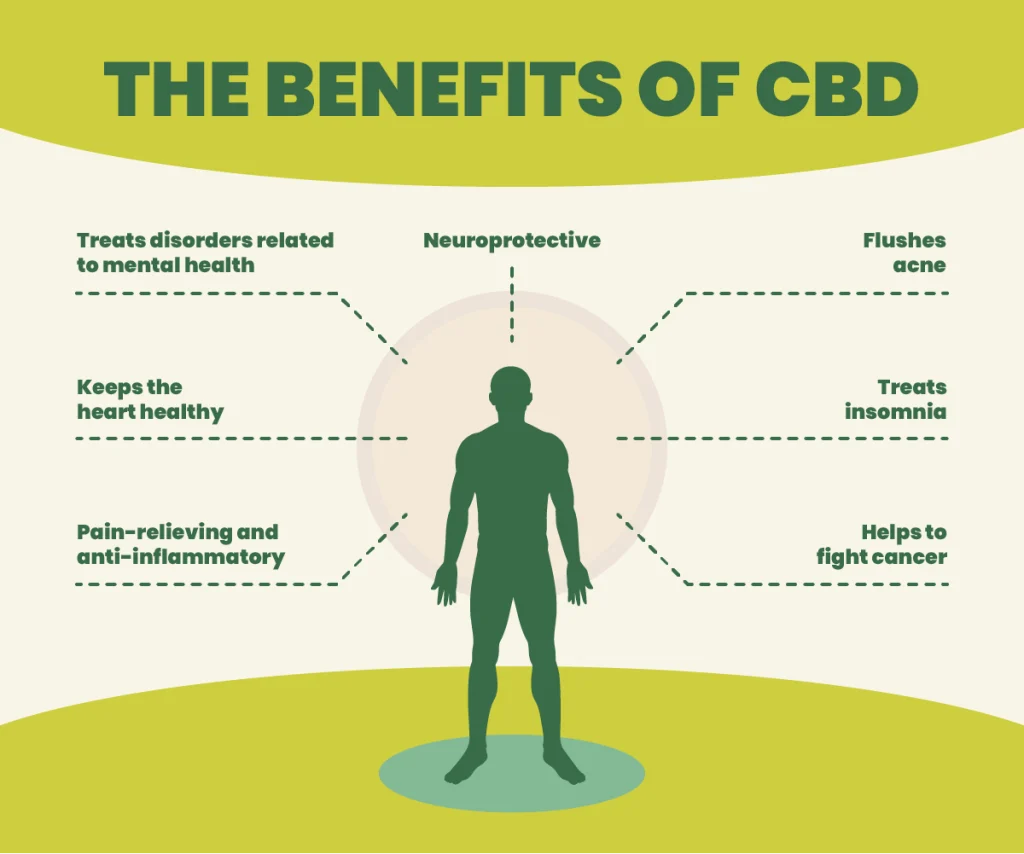
Does CBD help with fatty liver?
In recent years, several studies have evaluated the possible role of CBD in liver health, particularly in cases of hepatic steatosis, commonly known as fatty liver. The available results are promising but should be interpreted with caution.
Preclinical research suggests that CBD may help reduce oxidative stress and inflammation, two mechanisms involved in the development of hepatic steatosis, especially that associated with excessive alcohol consumption. Furthermore, cannabidiol has shown antioxidant properties that may help limit cellular damage in experimental models.
However, it is important to emphasize that the available evidence comes primarily from laboratory and animal studies. Currently, there is insufficient clinical evidence to conclude that CBD is an effective treatment for fatty liver disease in humans or that it can replace medically recommended therapies.
For those suffering from hepatic steatosis, the strategies with the greatest demonstrated efficacy remain lifestyle-related ones, such as weight management, a balanced diet, regular physical activity, and reduced alcohol consumption.
The possible use of CBD should therefore be considered only as part of a broader approach and always after consulting your doctor, especially in the presence of liver diseases or other drug therapies.
For science: Can CBD cause liver damage?
Available scientific evidence indicates that CBD, at the doses typically used in commercial oils, is generally well tolerated in most healthy adults.
However, clinical studies have shown that very high doses of CBD, such as those used in some prescription medications (e.g., Epidiolex), can cause temporary elevations in transaminases (ALT and AST), especially in people taking other medications concomitantly.
A systematic review published in 2023 (Cannabidiol-associated hepatotoxicity: A systematic review and meta-analysis) observed that hepatotoxicity episodes were rare and predominantly associated with high-dose drug treatments.
The review “The Role of Cannabidiol in Liver Disease,” published in 2023, also concludes that there is no solid evidence of clinically relevant liver damage from CBD use at doses typically used in supplements. However, caution is recommended in patients with liver disease or undergoing pharmacological therapy.
For this reason, it is advisable to follow the manufacturer’s recommended doses and consult with your doctor if you have liver disease or are undergoing chronic therapies.
Who shouldn’t take hemp oil?
Although CBD is generally well tolerated, some categories of people should seek medical advice before use:
- people with liver disease;
- those taking drugs metabolised by cytochrome CYP450;
- pregnant or breastfeeding women;
- minors, unless otherwise medically indicated;
- people with allergies to the components of the product.
To summarise:
| Situation | Consult your doctor before use |
| Healthy adult | Only if in doubt |
| Liver disease | Yes |
| Anticoagulant therapy | Yes |
| Antidepressant therapy | Yes |
| Pregnancy and breastfeeding | Yes |
| Taking multiple medicines | Yes |
In such cases, it is not necessarily the case that CBD is contraindicated, but it is advisable to discuss the risk-benefit balance with your doctor.
-
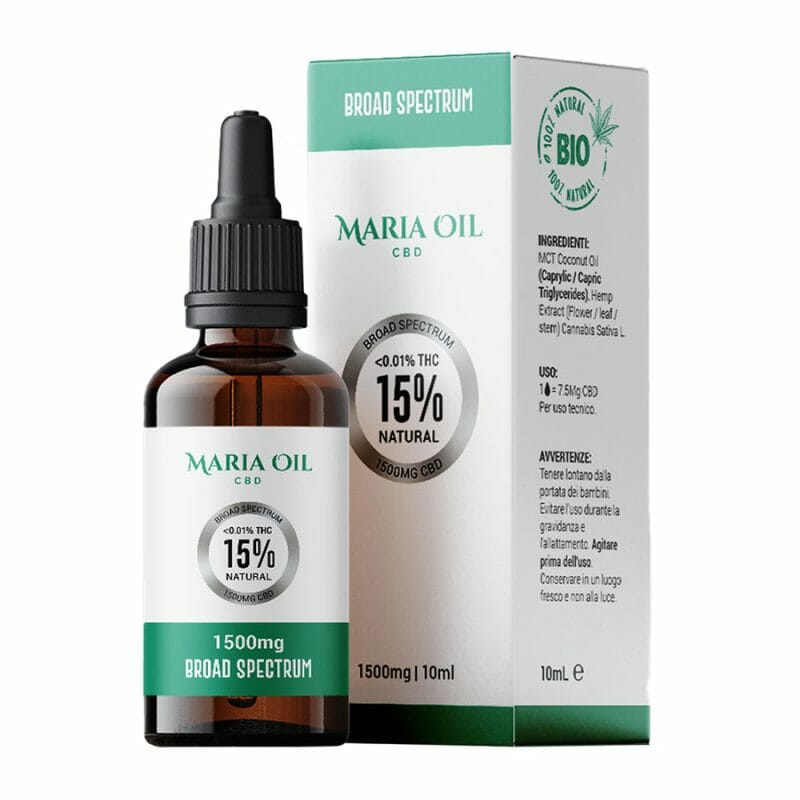
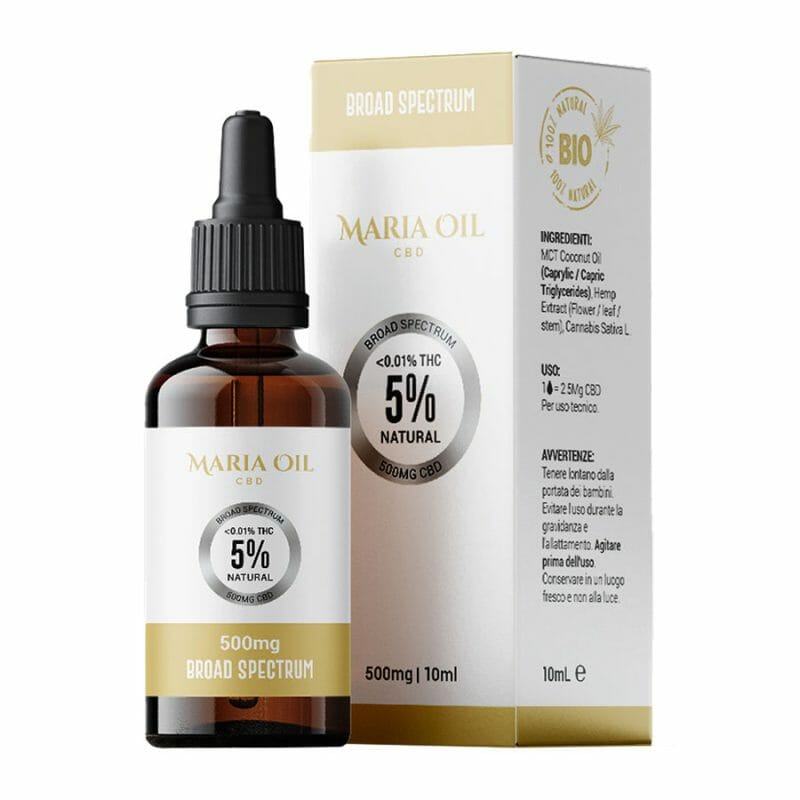
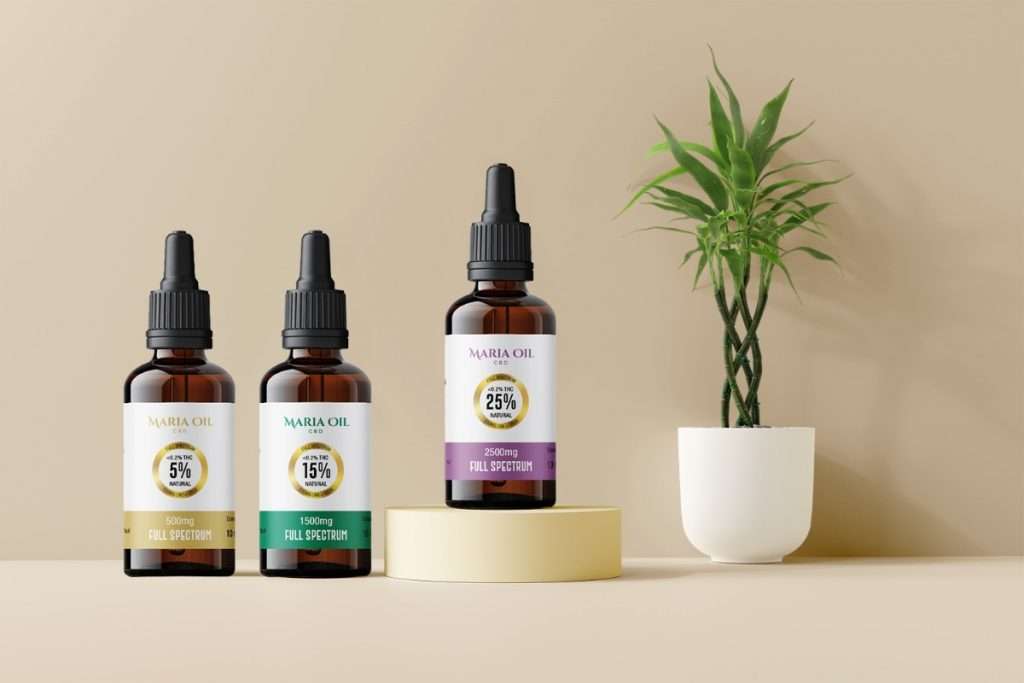
Product on sale CBD oil 15% (1500mg) Broad SpectrumPrice range: £24.96 through £40.96From 24,96 €
 -
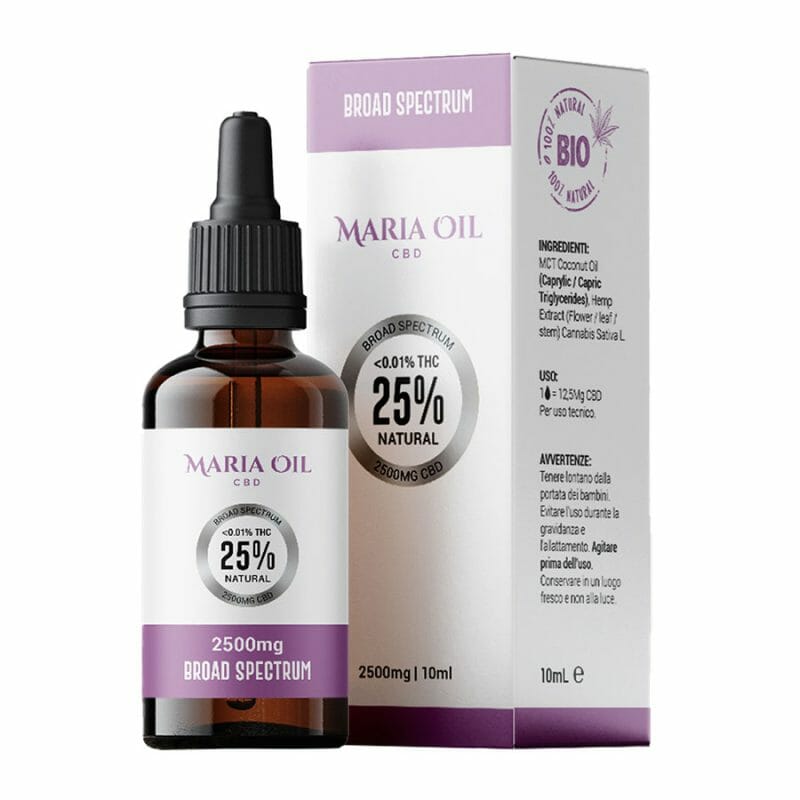
Product on saleCBD oil 25% (2500mg) Broad SpectrumPrice range: £37.76 through £53.76From 37,76 € -
Product on saleCBD oil 5% (500mg) Broad SpectrumPrice range: £11.40 through £26.40From 11,40 €
How can you protect your liver with hemp oil?
CBD is generally well tolerated at commonly used doses, but it is still important to take certain precautions to support liver health and use these products responsibly.
To keep your liver healthy, it is advisable to:
- limit alcohol consumption and avoid substances that can put a strain on the liver;
- follow a balanced diet and lead a healthy lifestyle;
- take regular exercise;
- avoid taking medicines or supplements unnecessarily without consulting your doctor.
Maintaining healthy daily habits helps ensure the liver and the whole body function properly. If you have liver conditions or are taking medication, you should always consult your doctor before taking CBD-based products.
How to use CBD safely
Although CBD is generally well tolerated, it is important to use it correctly.
For safer use, it is advisable to:
- start with a low dose, increasing it gradually if necessary and following the manufacturer’s instructions;
- follow the instructions for use on the product label;
- consult your doctor before taking it if you are on any medication, as CBD may interact with certain medicines;
- limit your alcohol consumption, especially if you have liver problems.
Following these simple guidelines will enable you to use CBD more safely and reduce the risk of side effects or potential drug interactions.
How to choose a high-quality CBD oil
If you decide to use a CBD oil, it is important to choose products that offer maximum transparency. Before purchasing, check that the following are provided:
- third-party laboratory analyses;
- clearly stated CBD concentration;
- origin of the hemp;
- a full list of ingredients;
- absence of contaminants.
All you need to do now is find some high-quality, 100% organic CBD products to try.
At the Maria CBD Oil shop, you’ll find a wide selection, with a variety of formulations and concentrations. Visit the shop now and find the one that suits you best.
FAQ
Hemp oil is generally well tolerated, but it can cause side effects such as drowsiness, dry mouth, gastrointestinal disturbances or changes in appetite. It is also important to consider possible interactions with certain medicines.
At the doses commonly used in CBD oils, there is no evidence that it causes liver damage in the general population. Very high doses, such as those used in certain medicines, may, however, temporarily increase liver enzyme levels and require medical monitoring.
Yes. CBD can alter the metabolism of certain medicines, including anticoagulants, anti-epileptics, antidepressants and other medicines metabolised by CYP450 enzymes. It is advisable to discuss this with your doctor.
Anyone suffering from liver disease, taking medicines that may interact with CBD, or who is pregnant or breastfeeding should consult their doctor before use.