Contact us





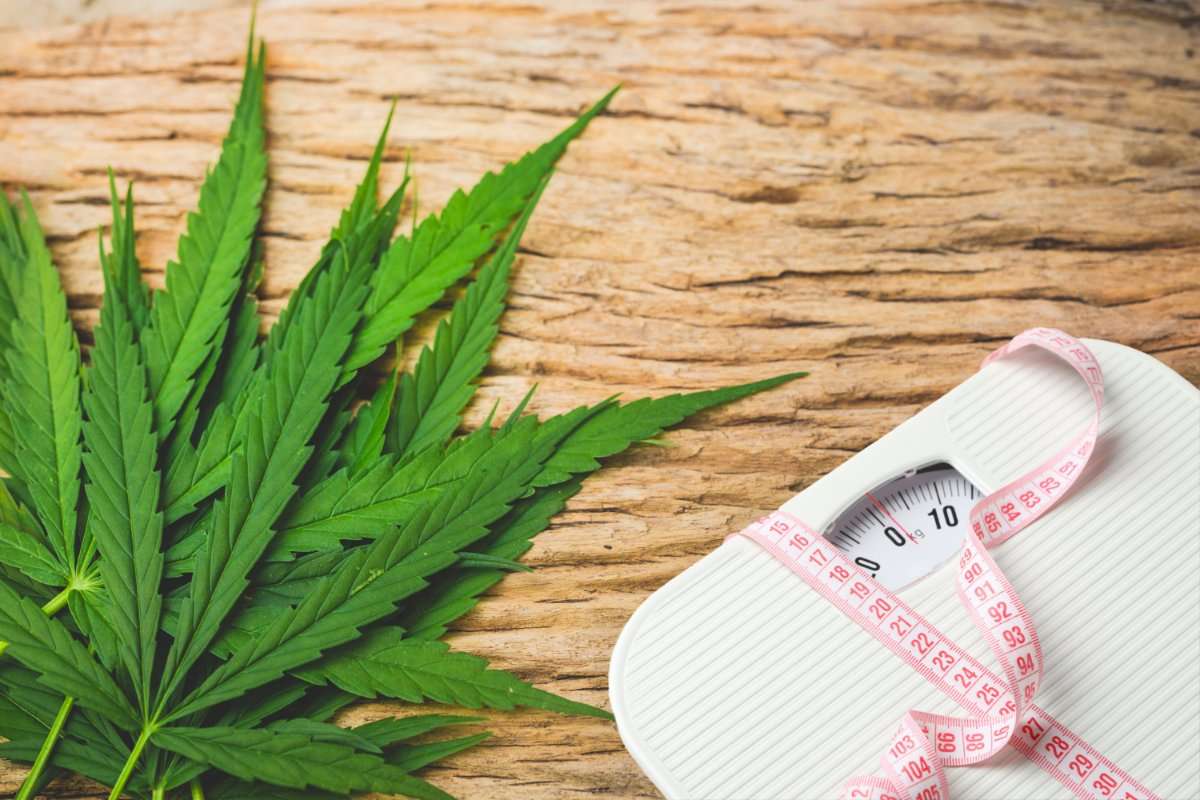
CBD and weight loss have been a hot topic in recent years, but it’s important to clarify: CBD is not a weight-loss product and does not replace a balanced diet and physical activity.
Some studies are analyzing the relationship between CBD and mechanisms that regulate appetite and metabolism, but the research is still in its in-depth stages and has not demonstrated a direct effect on weight loss in humans.
Those wishing to lose weight should focus on a healthy lifestyle and, if necessary, seek the support of a healthcare professional.
CBD: What it is and why it’s being discussed for weight loss
CBD (cannabidiol) is one of the main compounds found in the hemp plant. Unlike THC, it is non-psychoactive and does not cause alterations in consciousness.
When discussing weight management, CBD is sometimes cited because it interacts with the endocannabinoid system, which is involved in various physiological processes. Some research is exploring its possible role in mechanisms related to stress, sleep quality, appetite regulation, and metabolism.
However, current evidence does not demonstrate a direct effect of CBD on weight loss, and its use is not a substitute for a balanced diet and regular physical activity.

CBD and weight management: the role of the endocannabinoid system
To understand the possible link between CBD and body weight, it’s helpful to discuss the endocannabinoid system (ECS).
This is a biological network in the body that helps regulate functions such as:
- stress
- mood
- sleep
- pain perception
- inflammatory response
- hunger and satiety signals
The body naturally produces substances called endocannabinoids, which help maintain internal balance.
When this balance is disrupted, for example, through prolonged stress or insufficient rest, changes in eating behavior or energy levels may occur.
CBD interacts with the endocannabinoid system and is being studied for its possible role in modulating some of these processes.
However, there is no evidence that CBD directly leads to weight loss.
In short, CBD is not a weight-loss product, but it can be included, if appropriate, within a broader context of general well-being, which includes a balanced diet, exercise, and stress management.
Does CBD have weight loss effects? What science suggests
Research has explored CBD’s possible involvement in certain mechanisms related to body weight regulation. However, the available evidence is still limited and does not allow definitive conclusions, especially regarding human clinical studies.
CBD is of scientific interest because it may be associated with processes related to:
- stress management, which can influence eating behavior;
- sleep quality, a factor that affects energy balance and appetite regulation;
- inflammatory response, often implicated in overweight;
- metabolic mechanisms, through interaction with biological systems involved in energy balance.
It is important to emphasize that these aspects do not imply a direct effect of CBD on weight loss. Any use should be part of a healthy lifestyle and, in the presence of medical conditions, be discussed with a healthcare professional.
-
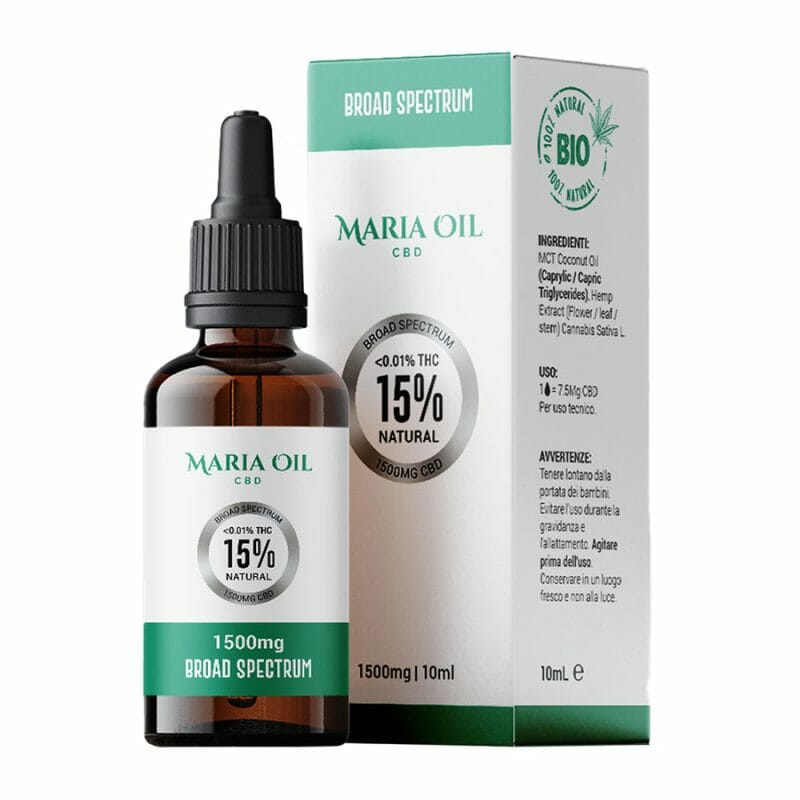
Product on sale CBD oil 15% (1500mg) Broad SpectrumPrice range: £24.96 through £40.96From 24,96 €
 -
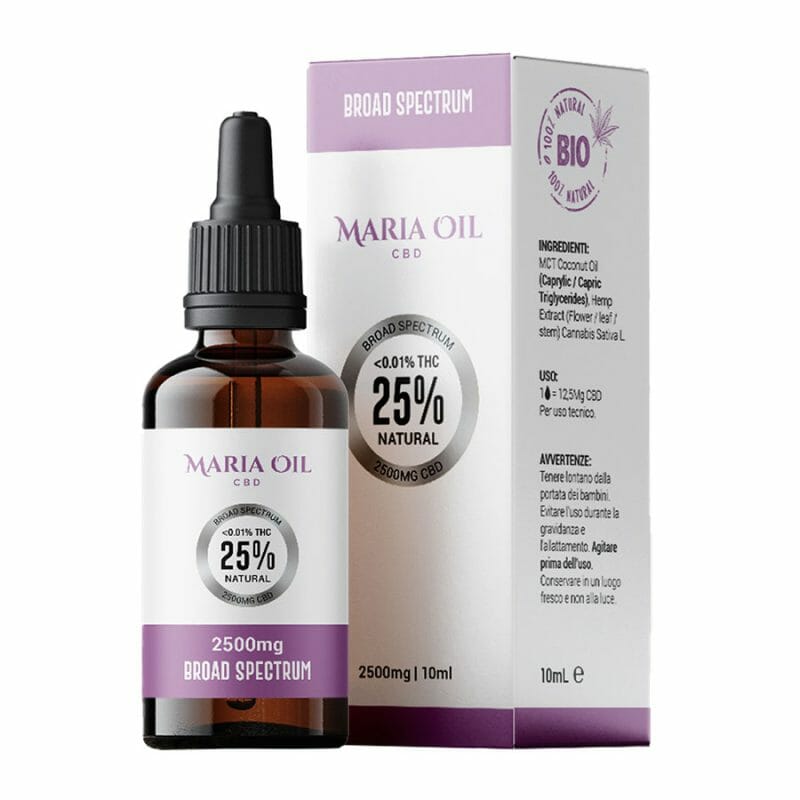
Product on saleCBD oil 25% (2500mg) Broad SpectrumPrice range: £37.76 through £53.76From 37,76 € -
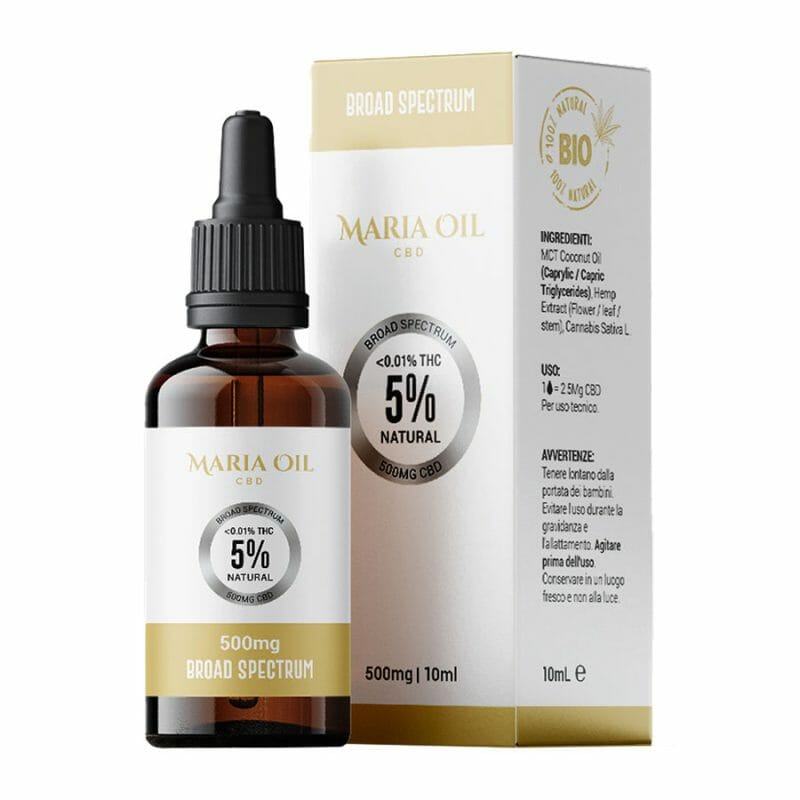
Product on saleCBD oil 5% (500mg) Broad SpectrumPrice range: £11.40 through £26.40From 11,40 €
CBD and metabolism: what do CB1 and CB2 receptors have to do With It?
Two main receptors are often cited in the endocannabinoid system: CB1 and CB2. In simplified terms:
- CB1 is primarily present in the central nervous system and is involved in functions such as appetite, mood, and the perception of pleasure;
- CB2 is more closely associated with the immune system and inflammatory processes, and is also being studied in relation to energy balance.
Some experimental research, conducted primarily on animal models, has observed that the modulation of these receptors may be linked to changes in food intake and certain metabolic parameters.
It is important to note, however, that the results obtained in preclinical studies are not automatically applicable to humans. Interest in CBD in this area is of a scientific nature and requires further clinical investigation before definitive conclusions can be drawn.
“Bad Fat” and “Good Fat”: can CBD promote browning?
Different types of adipose tissue exist in the human body:
- white fat, primarily involved in energy storage and which, if in excess, can be associated with metabolic risk;
- brown fat, characterized by increased metabolic activity and involved in heat production.
Some preclinical studies have explored the possible role of CBD in the mechanisms regulating lipid metabolism and fat cell transformation. In experimental models, effects related to the “browning” processes of white adipose tissue have been observed.
However, this research has been conducted primarily in the laboratory or on animal models. There is currently insufficient clinical evidence to confirm that CBD leads to weight loss in humans. This area remains under investigation and requires further investigation.